Content
Alachlor
Alachlor is a herbicide that is commonly used to control weeds in corn, soybeans, and other crops. It is classified as a probable human carcinogen by the International Agency for Research on Cancer (IARC) and is listed as a hazardous air pollutant by the Environmental Protection Agency (EPA). In addition to its use in agriculture, alachlor has been detected in drinking water sources in various parts of the world.
Exposure to alachlor can occur through the consumption of contaminated drinking water, as well as through the inhalation of its vapors or the ingestion of crops that have been treated with the herbicide. The potential health effects of alachlor exposure include an increased risk of cancer, as well as non-cancer effects such as liver and kidney damage, immune system effects, and neurotoxicity.
Definition and Structure
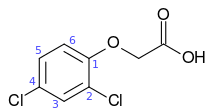
Dichlorophenoxyacetic acid (2,4-D) is a widely used systemic herbicide, effective in controlling broadleaf weeds in agriculture, forestry, and lawn care. It mimics the natural plant growth hormone auxin, causing uncontrolled growth and ultimately plant death. Chemically, 2,4-D is represented by the formula C8H6Cl2O3. Its structure comprises a benzene ring with two chlorine atoms positioned at the 2 and 4 locations, and a carboxylic acid group at the 1 position. This herbicide has been a staple in weed management since its development in the 1940s, contributing significantly to agricultural productivity by selectively targeting dicotyledonous plants without harming monocotyledonous crops like grasses.
Historical Background
Alachlor was first introduced in the 1960s by Monsanto as an effective herbicide for controlling weeds in various crops. Its development marked a significant advancement in agricultural weed management, offering farmers a reliable tool for enhancing crop production. Over the decades, alachlor gained popularity due to its broad-spectrum activity and effectiveness in diverse soil types and climatic conditions. However, concerns over its environmental and health impacts have led to increased regulation and scrutiny, influencing its usage patterns in modern agriculture.
Chemical Properties
Alachlor is a colorless to amber liquid with a faint odor. It has a melting point of -1.2°C (29.8°F) and a boiling point of 162-165°C (323.6-329°F) at 0.1 mmHg. Its solubility in water is relatively low, at 240 mg/L at 25°C, but it is highly soluble in organic solvents such as acetone and ethanol. Alachlor has a vapor pressure of 2.9 x 10^-4 mmHg at 25°C, indicating low volatility. These chemical properties contribute to its stability and persistence in the soil, allowing it to effectively control weeds over an extended period.
Synthesis and Production
Alachlor is synthesized through a series of chemical reactions involving the condensation of 2,6-diethylaniline with chloroacetyl chloride to form 2-chloro-2′,6′-diethylaniline, followed by methylation with formaldehyde to produce alachlor. The process requires careful control of reaction conditions to ensure high yield and purity of the final product. Industrial production involves large-scale reactors and stringent quality control measures to produce alachlor in formulations suitable for agricultural application. The synthesized alachlor is then processed into various formulations, including emulsifiable concentrates and granular products.
Applications
Alachlor is primarily used in agriculture to control weeds in crops such as corn, soybeans, peanuts, and cotton. Its pre-emergent application prevents the germination and growth of weeds, allowing crops to establish themselves without competition for nutrients, water, and light. Besides row crops, alachlor is also used in non-crop areas like industrial sites and highways to manage vegetation. Its selective action makes it a preferred herbicide for integrated weed management programs, contributing to sustainable agricultural practices and improved crop yields.
Agricultural Uses
In agriculture, alachlor is applied before the emergence of weeds and crops, typically incorporated into the soil through mechanical tillage or irrigation. Its effectiveness in controlling annual grasses and broadleaf weeds helps reduce the need for repeated applications of herbicides, saving time and costs for farmers. Alachlor’s use in crop rotation systems also enhances soil health by minimizing weed seed bank buildup. Its role in managing herbicide-resistant weed populations underscores its importance in integrated pest management strategies, promoting long-term agricultural productivity.
Non-Agricultural Uses
Non-agricultural uses of alachlor include vegetation management in industrial areas, along roadways, and in other non-crop settings where controlling unwanted plant growth is essential. It is employed to maintain clear zones around infrastructure, reduce fire hazards, and improve visibility and safety. In these settings, alachlor’s broad-spectrum activity and residual control make it an effective tool for long-term vegetation management. Its application in non-agricultural areas follows strict guidelines to prevent environmental contamination and ensure public safety.
Health Effects
Exposure to alachlor can lead to various health effects, depending on the level and duration of exposure. Acute exposure may cause skin and eye irritation, respiratory issues, and gastrointestinal disturbances. Chronic exposure, particularly in occupational settings, has been associated with more severe health impacts, including potential carcinogenicity and reproductive toxicity. Animal studies have shown that high doses of alachlor can cause liver and kidney damage, as well as developmental effects. Ensuring proper handling and protective measures is crucial to minimize health risks associated with alachlor use.
Human Health Effects
For humans, alachlor exposure primarily occurs through dermal contact, inhalation, or ingestion of contaminated water or food. Short-term exposure can result in irritation of the skin, eyes, and respiratory tract. Long-term exposure, particularly in agricultural workers, has been linked to an increased risk of certain cancers, such as non-Hodgkin lymphoma. Regulatory agencies have classified alachlor as a possible human carcinogen, necessitating strict safety protocols during its handling and application. Monitoring and minimizing exposure are essential to protect human health, especially in communities near treated areas.
Environmental Impact
Alachlor’s environmental impact includes potential contamination of soil and water bodies through runoff and leaching. It is moderately persistent in soil, with a half-life ranging from 15 to 25 days, but can degrade into other compounds that may also pose environmental risks. Alachlor can affect non-target organisms, including aquatic life, due to its toxicity. The use of buffer zones, proper application techniques, and adherence to environmental guidelines help mitigate its impact. Continuous monitoring and research are essential to understand and minimize the ecological consequences of alachlor use.
Regulation and Guidelines
Regulation of alachlor involves strict guidelines to ensure safe usage and minimize environmental and health risks. Agencies like the Environmental Protection Agency (EPA) set maximum residue limits (MRLs) for alachlor in food and water, and establish safety protocols for its application. Alachlor is classified as a restricted-use pesticide, requiring certified applicators to handle and apply it. Regulatory measures also include monitoring programs to detect and manage residues in the environment. Compliance with these regulations is critical for maintaining public health and environmental safety.
Controversies and Issues
Controversies surrounding alachlor mainly revolve around its potential health risks and environmental impact. Concerns over its carcinogenicity and the safety of residues in food and water have led to debates about its continued use. Environmental groups advocate for stricter regulations or bans, citing the herbicide’s persistence and toxicity to non-target species. The agricultural industry, however, emphasizes alachlor’s effectiveness and the lack of equally efficient alternatives. Balancing the benefits and risks of alachlor remains a contentious issue, requiring ongoing research and dialogue among stakeholders.
Treatment Methods
Treatment methods for alachlor exposure focus on decontamination and medical intervention. In cases of skin contact, washing the affected area with soap and water is recommended. If alachlor is ingested, medical attention is necessary, and activated charcoal may be administered to prevent absorption. For inhalation exposure, moving to fresh air and seeking medical help is advised. Industrial settings implement safety measures such as personal protective equipment (PPE) and proper ventilation to prevent exposure. Emergency procedures and first aid training are crucial for managing accidental exposures effectively.
Monitoring and Testing
Monitoring and testing for alachlor involve detecting its presence in soil, water, and biological samples to assess exposure levels and ensure compliance with safety standards. Analytical methods such as gas chromatography and mass spectrometry are used to accurately measure alachlor residues. Environmental monitoring programs track the herbicide’s distribution and persistence in ecosystems. Biological monitoring, including blood and urine tests, helps evaluate human exposure. Regular monitoring and testing are essential components of regulatory frameworks, ensuring the safe use and management of alachlor in various settings.
References
- International Agency for Research on Cancer. (1999). Alachlor. Retrieved from https://monographs.iarc.fr/
- Environmental Protection Agency. (2018). Maximum Contaminant Levels for Alachlor in Drinking Water. Retrieved from https://www.epa.gov/
- Environmental Protection Agency. (n.d.). Alachlor – Hazard Summary. Retrieved from https://www.epa.gov/
- Environmental Protection Agency. (n.d.). Alachlor – Health Effects. Retrieved from https://www.epa.gov/
- World Health Organization. (n.d.). Alachlor. Retrieved from https://www.who.int/
- Environmental Protection Agency. (n.d.). Water Treatment Technologies for Removing Alachlor. Retrieved from https://www.epa.gov/
- United States Department of Agriculture. (n.d.). Alternatives to Pesticides: Alachlor. Retrieved from https://www.usda.gov/
- United States Department of Agriculture. (n.d.). Cover Crops: A Natural Alternative to Herbicides. Retrieved from https://www.usda.gov/
- United States Department of Agriculture. (n.d.). Mechanical Weed Control Methods. Retrieved from https://www.usda.gov/
- Environmental Protection Agency. (n.d.). Pesticides: Benefits and Risks. Retrieved from https://www.epa.gov
Alachlor
( C14H20ClNO2 )

| Parameter | Details |
|---|---|
| Source | Agricultural runoff, herbicide use |
| MCL | 2 ppb (US EPA) |
| Health Effects | Liver/kidney damage, possible carcinogen |
| Detection | GC, liquid chromatography-mass spectrometry (LC-MS) |
| Treatment | Activated carbon, advanced oxidation processes |
| Regulations | US EPA, EU regulations |
| Monitoring | Annually (varies by region) |
| Environmental Impact | Persistence, potential groundwater contamination |
| Prevention | Proper application, integrated pest management (IPM) |
| Case Studies | Groundwater contamination in agricultural regions |
| Research | Toxicity studies, degradation methods |
Other Chemicals in Water
Alachlor In Drinking Water
| Property | Value |
|---|---|
| Preferred IUPAC Name | 2-Chloro-2′,6′-diethyl-N-(methoxymethyl)acetanilide |
| Other Names | Lasso, Alanex |
| CAS Number | 15972-60-8 |
| Chemical Formula | C14H20ClNO2 |
| Molar Mass | 269.77 g/mol |
| Appearance | Light tan to brown solid |
| Melting Point | 39-41 °C (102-106 °F) |
| Boiling Point | Decomposes before boiling |
| Solubility in Water | 242 mg/L (at 25 °C) |
Videos