Addressing Water Contamination: A Guide to Dealing with Water Issues
- Published:
- Updated: January 2, 2025
Listen to this article
Summary
When faced with water contamination issues, understanding the causes and types of contamination is crucial. Natural disasters, agricultural runoff, industrial waste, and aging infrastructure are common causes. Bacterial contamination, often from sewage or animal waste, can lead to diarrhea and vomiting

We need access to clean and safe water to survive. Yet when water in your neighborhood or home is not functioning well, that causes major health problems. The right thing to do in the event of a water contamination issue is sometimes tricky to figure out.
What Causes Contaminated Water?
There are many different factors that can lead to contaminated water, including:
- Natural disasters such as hurricanes, earthquakes, and floods: Natural disasters can cause damage to water treatment facilities, wells, and other sources of drinking water. This can result in contaminated water that may be contaminated with bacteria, chemicals, or other hazardous materials.
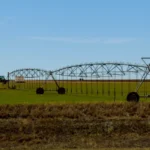
- Agricultural runoff from nearby farms: Agricultural runoff can contain pesticides, fertilizers, and other chemicals that can contaminate drinking water sources. In addition, runoff from livestock can contain bacteria that can pose a risk to human health.
- Industrial waste from factories: Many factories release chemicals and other waste products into the environment. If these chemicals find their way into drinking water sources, they can pose a risk to human health.
- Leaking septic tanks: Septic tanks can leak chemicals and bacteria into the environment, contaminating drinking water sources.
- Aging and outdated water infrastructure: Over time, water pipes and other infrastructure can become corroded and leak, contaminating drinking water sources with lead, copper, and other heavy metals.
- Improper disposal of hazardous waste: Improper disposal of hazardous waste, such as chemicals and batteries, can result in contamination of drinking water sources.
Each of these factors can contribute to different types of water contamination, including bacteria, chemicals, and heavy metals.
Bacterial Contamination

Bacterial contamination is one of the most common types of water contamination. This can occur as a result of a malfunctioning sewage system, animal waste, or human waste. Common bacteria that can be found in contaminated water include E. coli, Salmonella, and Shigella. Symptoms of bacterial contamination include diarrhea, nausea, and vomiting.
If you suspect that your water is contaminated with bacteria, the first thing you should do is stop drinking it. You should also contact your local health department and have your water tested. If the test results show that your water is contaminated, the health department will work with you to find a solution. This may involve boiling your water, installing a water filtration system, or connecting to a different water source. Boiling water is an effective way to kill bacteria, but it will not remove chemicals or heavy metals. A water filtration system can remove a wide range of contaminants, making it a more comprehensive solution.
Chemical Contamination
Chemical contamination can occur as a result of agricultural runoff, industrial waste, or leaking septic tanks. Common chemicals that can be found in contaminated water include pesticides, fertilizers, and heavy metals. Symptoms of chemical contamination include skin irritation, headaches, and fatigue.
If you suspect that your water is contaminated with chemicals, the first thing you should do is stop drinking it. You should also contact your local health department and have your water tested. If the test results show that your water is contaminated, the health department will work with you to find a solution. This may involve installing a water filtration system or connecting to a different water source. A water filtration system can remove a wide range of contaminants, including chemicals, making it an effective solution. Connecting to a different water source may also be an option, especially if the contamination is widespread in your area.
In some cases, chemical contamination can be more difficult to treat than bacterial or heavy metal contamination. This is because some chemicals, such as pesticides, can persist in the environment for a long time. If your water is contaminated with chemicals, it is important to work with a professional to determine the best course of action.
Heavy Metal Contamination
Heavy metal contamination can occur as a result of industrial waste or the leaching of metals from pipes and plumbing fixtures. Common heavy metals that can be found in contaminated water include lead, mercury, and cadmium. Symptoms of heavy metal contamination include fatigue, headaches, and cognitive problems.
If you suspect that your water is contaminated with heavy metals, the first thing you should do is stop drinking it. You should also contact your local health department and have your water tested. If the test results show that your water is contaminated, the health department will work with you to find a solution. This may involve installing a water filtration system or connecting to a different water source. A water filtration system can remove heavy metals from your water, making it safe to drink. Connecting to a different water source may also be an option, especially if the contamination is widespread in your area.
It is important to note that heavy metal contamination can be especially dangerous, as some heavy metals, such as lead, can accumulate in the body over time and cause serious health problems. If your water is contaminated with heavy metals, it is important to take action as soon as possible to ensure that you and your family are protected.
The Importance of Testing Your Water
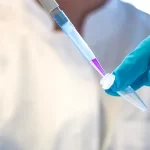
It is important to have your water tested regularly to ensure that it is safe to drink. The Environmental Protection Agency recommends that you have your water tested at least once a year. If you live in an area that is prone to contamination, you may need to have your water tested more frequently.
There are many different types of water tests that you can have done, including:
- Bacterial contamination test
- Chemical contamination test
- Heavy metal contamination test
- Total coliform test
- Nitrate test
Each of these tests will give you different information about the quality of your water. If you are unsure which test to have done, you can contact your local health department for guidance. By testing your water regularly, you can ensure that it is safe to drink and take action if there is a problem.
Prevention is Key
You will never know until you have your water contaminated before it’s contaminated. Some of the things you can do to keep water from being polluted are:
Dispose of hazardous waste appropriately: Dispose of hazardous waste ( chemicals and batteries) properly and you will be able to avoid contamination of drinking water.
Preventing leaks and other problems causing a contaminated water by regularly inspecting your septic system.
Vegetation for agricultural runoff: Using plant life in your landscape to prevent agricultural runoff can save you from polluted water.
Installation of water filtration: A water filtration system can purify your water so that it is not harmful to consume.
Having a water test done on a regular basis: If you’re regularly testing your water you can check to see if your water is drinking and act if you do.
The first thing you need to do when it comes to water issues is act fast. Whether it is bacteria, chemical or heavy metal contamination, make sure you get your water tested and contact your local health department for help. When you prevent it (remove hazardous waste and maintain your septic system, for example) and test your water often, you’ll always have clean, safe water to drink for yourself and your family.
Then, you must also learn what the indicators are for water suffocation and act if you suspect there is an issue. They can be skin rash, headaches and fatigue. You can make sure that you and your family have clean, safe water for years to come if you get involved in water safety early on.
Share this on social media:
Facebook
Twitter
LinkedIn

Related Posts