The Hidden Dangers of Methylene Chloride in Drinking Water
- Published:
- Updated: January 2, 2025
Listen to this article
Summary
Methylene chloride, a common industrial solvent, poses hidden dangers in drinking water due to contamination from industrial leaks and improper waste disposal.
- It enters water supplies through industrial discharge and household waste, leading to acute health problems and long-term risks like cancer.
- Outdated regulations and gaps in enforcement contribute to the challenge of controlling methylene chloride levels.
- Symptoms of exposure include headaches, dizziness, and neurological issues, with exacerbated risks for those with pre-existing health conditions.

Imagine drinking a glass of water with no idea there is an unseen danger hidden in it. And you’d never know this very simple need, so important to life, was also the root of secret dangers. Among those invisible enemies is methylene chloride, a chemical increasingly troubling scientists, environmentalists and public health officials.
What is Methylene Chloride?
Methylene chloride (also called dichloromethane) is a volatile organic material commonly used as an industrial solvent. It’s a white, somewhat sweet-smelling liquid widely used in paint strippers, in pharmaceutical manufacturing, and as a fumigant for crop residues. It is so ubiquitous that you’re almost certain to have seen it, and maybe not even realised it.
It’s also present in common household products such as aerosol cans, cleaning solutions and glues. Because of its industrial use, it’s also more likely to get into our water supplies. It’s one wonders, though, whether this risk is real and how do we counter it?
How Does Methylene Chloride Enter Drinking Water?
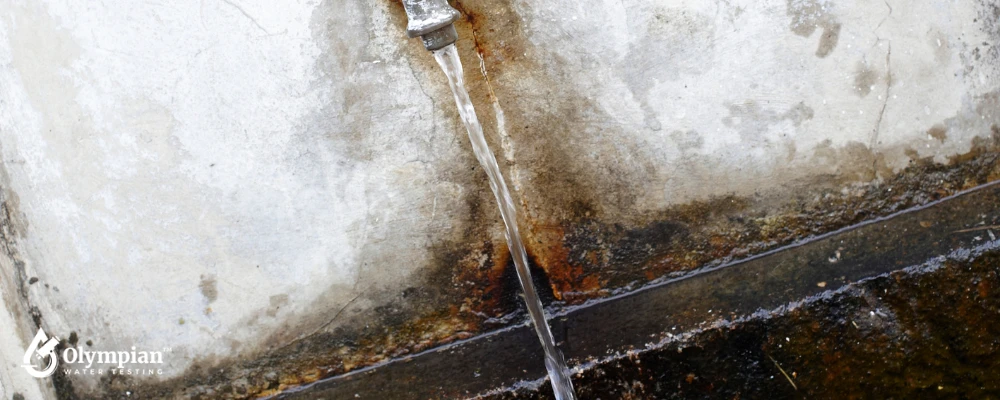
Methylene chloride can get into water in many ways. The direct route is through industrial effluent and accidents. There’s a lot of effluent that gets released by factories producing or using this chemical, and this often ends up in drinking water supplies. It can be an accident, such as a chemical spill, but it will pollute whole communities for decades to come.
Another way is by the misuse of household garbage. Methylene chloride-based paint strippers and other cleaning products such as those used in paint jobs can leach into the groundwater if not removed from the product appropriately. This groundwater contamination is most concerning as it may persist for months on end and affect thousands of well-water dependent households.
Regulations Governing Methylene Chloride Levels
The Environmental Protection Agency (EPA) in the US sets the limits and regulations for contaminants in water, such as methylene chloride. But critics say that the regulations are antiquated and don’t do thorough risk assessments. Global laws are also patchy, and the results in terms of water quality and health are inconsistent.
There are loopholes in current laws that will allow harmful levels of methylene chloride to pass. They are based on outdated risk calculations and unenforceable standards for industrial discharges. In light of public awareness, there is increasing pressure on governments to revise and modernise these norms in the interests of citizens’ safety.
Why Is Methylene Chloride Dangerous?
Rapid health effects from the immediate exposure to very high levels of methylene chloride. The symptoms can include headaches and dizziness, to the most severe cases of loss of consciousness. It even kills if it is extreme. The chemical is also dangerous to the environment, killing fish and dumping waste into the soil.
These effects are as worrisome as the adverse long-term effects of methylene chloride. Long-term use or inhalation of this substance was associated with liver and lung cancer, and neurological harm. And that is why knowledge of, and reduction of, exposure to, methylene chloride is not only an environmental issue but also a public health concern.
Signs and Symptoms of Methylene Chloride Exposure
There are symptoms and signs that should be looked for if you’ve come in contact with water tainted by methylene chloride. Physically, you can get headaches, dizziness and weakness. They’re symptomatic in the sense that they can masquerade as normal symptoms, so it’s hard to identify.
Symptoms can be confused, forgettable, even moody from a neurological perspective. The next time you or someone in your family is having these symptoms, seek a professional help. The dose of methylene chloride can be tested and medical treatment can be recommended.
The Science Behind the Toxicity
Methylene chloride is absorbed into the body mainly by swallowing, contact with skin and breathing. After being in, it’s processed primarily by the liver to carbon monoxide and other potentially toxic products. Such drugs also act on the central nervous system, which causes all kinds of medical issues.
There are also studies showing that methylene chloride causes various diseases. The risk of liver cancer was found, for example, in a study of industrial workers where there was a strong association between this chemical and rates of liver cancer. Knowledge of its science for its toxicities can enable us to take the measures to keep ourselves and our loved ones safe.
Health Conditions Aggravated by Methylene Chloride
For those with pre-existing health conditions, methylene chloride exposure can be particularly perilous. Some of the affected health conditions include:
- Respiratory Conditions: Asthma, chronic obstructive pulmonary disease (COPD)
- Liver and Kidney Function: Chronic liver disease, kidney dysfunction
- Impacts on Pregnancy: Risk of miscarriage, developmental issues in children
If you fall into any of these categories, it’s crucial to be extra vigilant about the water you consume and use for daily activities like bathing and cooking.
How to Test and Treat Contaminated Water
Happily, methylene chloride-tainted water is detectable and can be treated. DIY kits exist which is relatively easy and fast way to test your water quality at home. But these kits may not be as precise or thorough as testing at a lab.
Hire a professional water testing company for a more reliable measurement. Depending on what level of contamination has been established, there are various forms of treatment available such as activated carbon filters and reverse osmosis systems. Even some boil their water, although this is not always the best option for flushing out all the pollutants such as methylene chloride.
Protecting Yourself and Your Community
Knowledge is the first prevention. Make an educated purchase first. Read the labels on household cleaners and purchase methylene chloride-free ones. You can also hold education sessions if you are a homeowner’s association or community group that is concerned about water quality and the risk of methylene chloride.
: Petitions and town halls can pressure governments to impose tougher restrictions on industrial discharge and better water quality control. By acting together, we will make our cities safer and save our most precious asset: safe drinking water.
Preventative Measures and Community Actions
methylene chloride contamination is something that needs to be done at the individual and collective level. Families can transition to safer methylene chloride-free products and safely dispose of toxic materials so groundwater isn’t contaminated. On a larger scale, communities can press for better controls and enforcement on industrial waste. Organization of local clean-ups and education campaigns can spread the word and encourage better habits. Working with local communities on improved water testing and infrastructure improvements is the way to long-term fixes.
Conclusion: Addressing Methylene Chloride Risks in Drinking Water
Methylene chloride is a known health risk from contaminated drinking water, in everything from industrial effluent to improper waste disposal. These risks can be tempered by knowing the signs of exposure and taking preventative action. Individual measures count but collective activism and better regulation is essential to deliver safe and clean water to all. The more we know and take action, the better equipped we are to safeguard our health and the earth from this hidden threat.
Share this on social media:
Facebook
Twitter
LinkedIn