
Common Misconceptions About Drinking Water in Morocco
Many wonder is morocco water safe to drink upon arrival in this vibrant land. Some believe bottled water is always safer, yet research shows some brands may contain microplastics. Local families often boil or filter tap water, which adds extra reassurance for daily use.
Tap water in major cities usually meets official safety standards, though some residents remain cautious. Tourists looking for travel tips for Moroccan tap water find that filtering or using purification tablets can alleviate concerns about taste or quality.
Tap water vs. bottled water: what’s the real difference?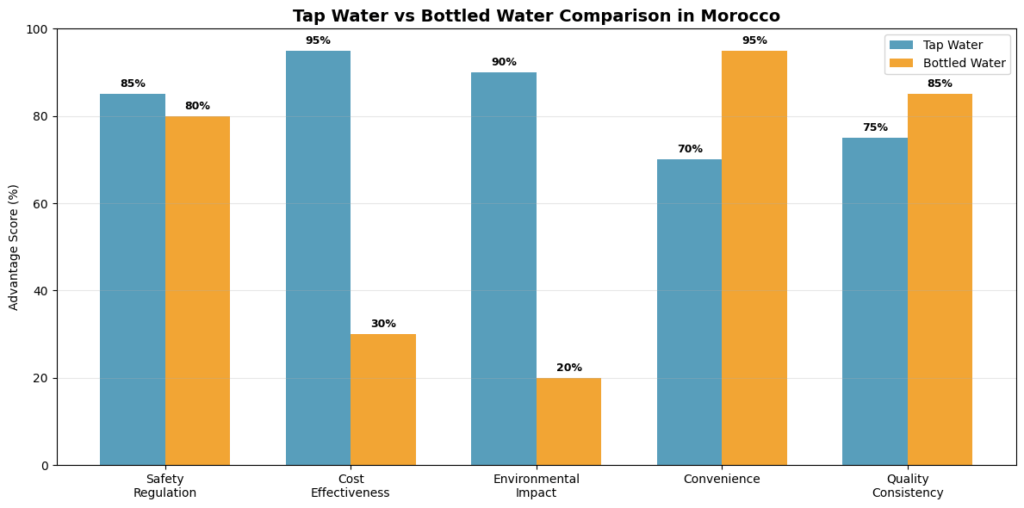
Tap water is checked by municipalities, while bottled water follows industry standards. Both can pose risks if not handled or stored properly. Cost-wise, tap water is often more economical, but personal comfort with local sources can influence the choice.
Option | Pros | Cons |
Tap Water | Generally regulated in cities | Flavor varies by region |
Bottled Water | Wide availability | Possible microplastics |
The role of local customs in water safety
Tea rituals in Moroccan homes often involve boiling, which helps reduce concerns. Market stalls may serve filtered drinks as part of traditional hospitality. These customs show that attention to detail is key in ensuring water safety.
Regulations and Water Quality Standards in Moroccan Cities
The Ministry of Public Health and ONEP collaborate with 16 autonomous water companies to protect urban water supplies. They monitor distribution networks closely, conducting tests in labs that adhere to WHO standards. Despite official reports showing clean sources, local communities sometimes express concerns about delayed notifications of contamination issues.
Morocco’s water regulations require regular checks in municipal systems. These assessments focus on water purity, chemical balance, and infrastructure integrity. If alerts about leaks or pollutants are slow to reach residents, public trust can waver. Local news channels often carry advisories, keeping travelers and citizens updated on water quality.
Water quality also depends on the maintenance efforts of city councils. They work with government bodies to tackle technical issues and identify problem areas. Many experts believe that coordinated oversight can boost confidence in the system and uphold health standards.
Agency | Primary Role |
Ministry of Public Health | Sets guidelines for safety and health compliance |
ONEP | Oversees water treatment and distribution framework |
Tap Water in Morocco: Is It Safe for Tourists?
Travelers often question the safety of local drinking water. Major cities like Casablanca work with companies like Lydec. These partners use international water treatment standards to ensure water quality. Yet, some might find the taste of chlorinated water unappealing.
These efforts are part of safe drinking water solutions. Yet, some areas have outdated systems, leading to quality issues. Visitors with sensitive stomachs should watch for changes in taste or smell before drinking tap water.
Treatment processes for municipal water
Filtration and chlorination are common methods to remove harmful bacteria. Regular tests ensure contamination levels are within limits. This gives tourists peace of mind, knowing tap water is safe and accessible.
Regional variations in taste and quality
Urban areas get more attention, but rural areas can have unpredictable mineral levels. Some find the taste unpleasant, but authorities assure it’s safe. Local advice helps visitors adjust to any taste differences while staying hydrated.
Potential Contaminants to Watch Out For
Elevated nitrates are a major concern in Moroccan water, most evident in agricultural areas like the Gharb region. The use of fertilizers and inadequate irrigation systems can significantly increase nitrate levels in groundwater. This poses a risk to infants, who may develop methemoglobinemia. A study in Salé, Morocco (ScienceDirect), found a higher incidence of this condition in areas with higher nitrate concentrations.
Industrial activities near urban centers introduce harmful compounds, including carcinogens from rusted pipes. Corroded iron pipelines can release metals like lead and chromium, which are harmful to child development and carry serious health risks. Regular updates to water systems help mitigate these dangers. Yet, travelers should always be cautious of contaminants in Moroccan water.
Those with ongoing health issues, pregnant women, and individuals planning extended stays often opt for bottled water and filtration devices. These measures reduce exposure to metals and chemicals in older infrastructures. Simple precautions, such as avoiding ice from unknown sources and using water filters, can enhance safety when exploring local areas.
Filter and Purification Options
Travelers often look for eco-friendly ways to handle water, aiming to reduce plastic waste. Those planning to filter water in Morocco can find solutions that balance health and convenience. One method involves exploring this resource for practical tips on choosing the right purifier.
Short trips and remote adventures often require compact tools. Chemical disinfectants are a popular choice when space is limited. They effectively address common contaminants.
On-the-go purification tablets
Many rely on tablets like Micropur for quick results. These dissolve in water, neutralizing germs without adding much weight. They are preferred for camping or trekking in rural areas. It’s essential to follow dosage instructions and wait the recommended time before consuming the treated water.
Long-term filtration devices
Durable options include Katadyn filters, which remove bacteria and sediment. Tappwater cartridges are designed for regular home use. Under-sink reverse osmosis systems can tackle nitrates and heavy metals, making them suitable for long-term use. Many hotels support sustainability by providing filtered water stations, reducing the need for single-use plastic bottles.
Alternative Hydration Methods
Travelers often seek out more than just plain water to stay hydrated. This strategy helps maintain fluid levels without solely relying on bottled water.
Soups and broths as water substitutes
Moroccan harira soup is a comforting way to meet hydration needs. It combines tomatoes, lentils, and chickpeas, providing protein and fiber. This mix aids digestion, which is beneficial for those new to local cuisine. It’s important to choose places known for clean water to avoid stomach issues.
Fresh juices and teas
Street vendors frequently sell fresh juice, which is both tasty and nutritious. Yet, it’s essential to ensure that ice or added liquids are purified. Mint tea, with its boiled water and unique flavor, is a safe option for hydration in Morocco. It’s a good choice when the safety of tap water is in question.
Option | Key Benefit |
Harira Soup | Rich nutrients, supports digestion |
Fresh Juice | Refreshing vitamins if made with purified water |
Mint Tea | Boiled water reduces contamination risk |
Health Precautions for Sensitive Stomachs
Travelers with sensitive stomachs should consider altering their eating habits. Even treated local water can cause mild discomfort for some. Opting for bottled or filtered water may alleviate these concerns.
Raw vegetables and salads can be risky if washed with tap water. Hot dishes are safer, as cooking kills bacteria. Fruits like bananas or tangerines, which can be peeled, are less of a concern.
Carrying digestive-soothing medication and probiotics is wise. Avoiding ice cubes made from untreated water is also a good idea. These precautions can significantly lower the risk of stomach upset, which is common among travelers.
Item | Purpose |
Filtered Water Bottle | Provides an extra layer of safety |
Probiotic Supplement | Supports healthy gut balance |
Medication (e.g., Pepto-Bismol) | Helps relieve mild digestive discomfort |
Oral Rehydration Salts | Replenishes fluids if dehydration occurs |
Tips for Minimizing Risk While Traveling
Exploring Morocco’s cities or rural areas often leads visitors to overlook hydration. It’s essential to stay alert and plan ahead. Carrying a durable water bottle is a smart move, as it reduces waste and keeps you hydrated. Some travelers opt for refills to minimize plastic usage.
Using Tested Water Sources in Hotels
Many hotels and riads have filtered refill stations. These systems remove impurities, reducing the risk of stomach issues. It’s important to check if the staff regularly maintains these stations. Using reusable bottles filled at these points helps cut down on single-use plastic and makes daily outings easier.
Recognizing Signs of Dehydration
Dizziness, dry mouth, and weariness are signs of fluid loss. Oral rehydration mixes can help maintain energy levels, which is vital in hot climates. Wearing sunscreen and light clothing also helps reduce body stress. Taking hydration breaks can alleviate discomfort and prevent severe fatigue.
Simple Dehydration Indicators
Symptom | Suggested Action |
Lightheaded feeling | Pause, drink a cup of water |
Parched lips | Add electrolytes or fruit juice |
Fatigue | Seek shade and rest briefly |
Cultural Perspectives on Water Consumption
Moroccan mint tea, affectionately known as “Moroccan whiskey,” has been a treasured tradition for over a century. It’s made with Chinese green tea, fresh mint, and sugar. The tea is poured from a height to create a frothy head, a gesture of honor to the guest. Refusing the tea is considered impolite, highlighting the importance of this ritual.
Tea is a constant presence in Moroccan homes, symbolizing the spirit of hospitality. It’s served throughout the day, bringing people together in a celebration of community and warmth.
The country’s arid climate has heightened the importance of water conservation. The OCP Group and Engie have entered a 17 billion euros agreement, focusing on renewable energy and water desalination. These efforts aim to alleviate the strain on resources and support sustainable agriculture. Many households are adopting reusable containers and filters, cutting down on plastic bottle use and protecting water quality.
Drinks are more than just beverages in Moroccan culture; they are a cornerstone of community life. Sharing a cup of tea strengthens bonds and shows respect for the limited water resources in drought-prone areas. This blend of cultural heritage and environmental consciousness shapes the modern lifestyle in Morocco.
Aspect | Description | Significance |
Tea Ritual | Green tea mixed with mint and sugar, poured from a height | Demonstrates hospitality and unity |
Water Projects | New investments in desalination and renewables | Addresses scarcity and boosts agriculture |
Daily Habits | Using filters, reusables, and small measures | Conserves essential water supplies |
Staying Refreshed Without Worry in Morocco
Tap water in major cities is recognized as safe by many official sources, including statements from Morocco’s Prime Minister. City-wide monitoring and treatment help maintain water quality. Some travelers choose bottled options or portable filters for peace of mind, as contamination can occur in certain regions.
Many visitors report no health concerns when relying on local water. A basic filter or purification tablet can alleviate doubts, even for those with delicate stomachs. Reusing containers not only cuts down on plastic waste but also proves cost-effective. Local advisories remain a smart guide if unusual tastes or water alerts occur.
Simple steps keep trips enjoyable. Water helps travelers stay hydrated in Morocco’s sunny climate, as they explore vibrant markets, taste aromatic dishes, and experience historic medinas. By staying informed on water safety notices and choosing reliable sources, tourists can enjoy Morocco’s culture and cuisine without worrying about daily hydration.
FAQ
Is tap water in Morocco generally safe to drink?
Tap water is usually safe in cities like Casablanca or Rabat, where it’s treated and tested regularly. But, the quality can vary. Older pipes or rural areas might pose more risks. It’s wise to check local advisories and water quality reports.
Are there common misconceptions about Moroccan tap water versus bottled water?
Many think bottled water is always better. But, some bottled water may contain microplastics due to less strict regulations. On the other hand, tap water in Morocco meets strict standards. Your choice depends on personal preference and local conditions.
Which agencies regulate water quality in Morocco?
The Ministry of Public Health and ONEP (Office National de l’Eau Potable) manage water treatment and enforce WHO standards. They check chlorination, infrastructure, and contaminants. Yet, occasional contamination shows the need to stay informed about local reports.
How do cities like Casablanca treat and filter their tap water?
Cities use advanced filtration and chlorination. These methods remove bacteria and pathogens, ensuring safety. Some travelers might notice taste or odor differences, possibly due to chlorine or minerals.
What are possible contaminants in Moroccan water supplies?
Nitrates from fertilizers, industrial spills, and heavy metals in old neighborhoods can contaminate water. These may not cause immediate illness but can be harmful over time. Rust from old pipes is another risk, highlighting the need for regular testing and maintenance.
What filtration options exist for travelers or residents in Morocco?
For short trips, chemical purification tablets are handy. For longer stays, portable filters like Katadyn or Tappwater remove bacteria and pesticides. Reverse osmosis systems can also address nitrates and heavy metals, providing extra safety.
How can travelers stay hydrated beyond just drinking water?
Boiled water in mint tea, soups, and broths is safer. Fresh juices are also good, but check if the water or ice is purified.
Should those with sensitive stomachs be extra cautious?
Yes. Tap water in cities is usually safe, but changes in mineral content can upset stomachs. Avoid raw salads, ice cubes, and unpeeled fruits to prevent stomach issues.
Are there strategies to minimize plastic waste when traveling in Morocco?
Many places offer water refill stations to cut down plastic bottle use. Using reusable bottles and filters helps too. Stay hydrated in Morocco’s varied climate, from humid coast to desert heat.
What role does water play in Moroccan culture and hospitality?
Mint tea, made with boiled water, is key in social gatherings. Hospitality often involves serving drinks. Water conservation and desalination efforts are also growing, due to concerns over rainfall and future scarcity.