Debunking Common Myths about Distilled Water
- Published:
- Updated: March 21, 2025
Listen to this article
Summary
Distilled water is often misunderstood due to common myths. It doesn’t leach minerals from the body, taste flat, or require industrial use. Long-term consumption is safe, especially with a balanced diet. It’s affordable with home distillation systems and is not “dead water.” The benefits include its purity, safety for medical use, suitability for low-mineral diets, and ability to enhance the taste of drinks. Distilled water is also an eco-friendly option when made at home.

The water that gives us life is not the only thing it is. We have tap water, spring water, mineral water and yes, distilled water, with all its peculiarities and purposes. But rumours obscure our knowledge of all these kinds, including distilled water.
Understanding the Distillation Process
Let’s dive right into the myths and realities of distilled water benefits without knowing what it is or how it is produced. Distilled water and alternative to distilled water is created through the process of distillation, where water is heated until it steams and then returned to liquid form in a separate vessel. This flushes out impurities and contaminants and gives you super-clean water.
But the distillation doesn’t just purge contaminants. It also depletes water naturally occurring minerals. This is a big part of many of the distilled water myths.
Myth 1: Distilled Water Leaches Minerals from Your Body
Many believe that distilled water, due to its lack of minerals, will leach essential nutrients from the body, causing mineral deficiencies. However, this is not scientifically accurate. While water helps transport nutrients and minerals in the body, it does not actively extract them. The body has sophisticated mechanisms to regulate mineral levels, and distilled water doesn’t interfere with these systems.
Fact: According to the National Institutes of Health (NIH), mineral absorption is primarily governed by the digestive system, not the type of water consumed. Distilled water does not remove essential minerals from your body.
Myth 2: Distilled Water Tastes Flat
It’s a common misconception that distilled water tastes flat or bland. While it’s true that distilled water lacks the minerals found in other water types, taste is subjective. Many people actually enjoy the clean, neutral taste of distilled water, especially when it’s used in beverages like tea or coffee, where it allows the natural flavors to shine through.
Fact: Studies show that water’s taste is greatly influenced by its mineral content. The American Chemical Society has found that minerals like calcium and magnesium can affect flavor, but this doesn’t mean distilled water is less refreshing—it’s just different.
Myth 3: Distilled Water is Only for Industrial Use
Some believe that distilled water is only suitable for use in laboratories, cars, or steam irons, not for drinking. In reality, distilled water is perfectly safe for consumption and is sometimes recommended for people with weakened immune systems or for those on a low-mineral diet.
Fact: The World Health Organization (WHO) suggests that distilled water is a safe option for those who need controlled mineral intake, such as individuals with specific health conditions or those living in areas with contaminated water sources.
Myth 4: Distilled Water is Harmful to Consume Long-Term
There’s a widespread belief that drinking distilled water long-term can harm the body because it lacks minerals. However, as long as you maintain a balanced diet with sufficient minerals, drinking distilled water won’t cause harm. Your body is capable of replenishing mineral levels through food, and the absence of minerals in the water does not pose a significant risk.
Research from The Food and Nutrition Board confirms that as long as your diet is rich in essential nutrients, drinking distilled water is entirely safe over the long term.
Myth 5: Distilled Water is Expensive
People often think that distilled water is too expensive to consume regularly. While bottled distilled water may be pricier than tap water, purchasing a home distillation system can be a cost-effective way to produce pure water without constantly buying bottled water. Additionally, investing in a home distillation system not only provides a consistent supply of distilled water but also reduces plastic waste associated with single-use bottled water. For those looking to minimize their environmental impact, exploring sustainable distilled water alternatives, such as rainwater collection or solar distillation, can further enhance their water sourcing practices. By adopting these methods, individuals can enjoy the benefits of pure water while contributing to a more sustainable future.
Fact: According to the Environmental Protection Agency (EPA), home distillation systems can cost as little as $150-$250 and provide a continuous supply of distilled water, making it an affordable long-term solution.
Myth 6: Distilled Water is ‘Dead Water’
Some people refer to distilled water as "dead water" because it lacks minerals. However, this is a misleading term. Although distilled water is free of minerals, it’s still perfectly safe and useful. The minerals in water are important for flavor but not essential for hydration, as our body receives the necessary nutrients from food.
Fact: A study by The World Health Organization confirms that while distilled water doesn’t provide minerals, the body predominantly gets its minerals from food sources, not water. Therefore, calling distilled water "dead" is inaccurate.
Myth 7: Distilled Water Can Cause Dehydration
Many people believe that drinking distilled water can cause dehydration because it lacks the minerals typically found in tap water. However, this is not true. Dehydration is caused by inadequate water intake, not the type of water you drink. In fact, distilled water hydrates the body just as well as any other type of water. While it lacks minerals, these are usually obtained through food, so long-term hydration won’t be affected.
Fact: The World Health Organization confirms that drinking distilled water does not contribute to dehydration. As long as you consume a balanced diet rich in essential minerals, your hydration status remains unaffected.
Myth 8: Distilled Water is Too Pure for the Body
Some claim that distilled water is “too pure” and that consuming it could dilute your body’s natural electrolytes. This is a misconception. While it’s true that distilled water lacks electrolytes, our body is perfectly capable of maintaining electrolyte balance through proper nutrition. The body uses food, not water, to replenish minerals like calcium and magnesium.
Fact: According to a study from The National Institutes of Health (NIH), the body regulates electrolyte levels naturally and drinking distilled water does not interfere with this process as long as you maintain a healthy diet.
What are the actual benefits of consuming distilled water?
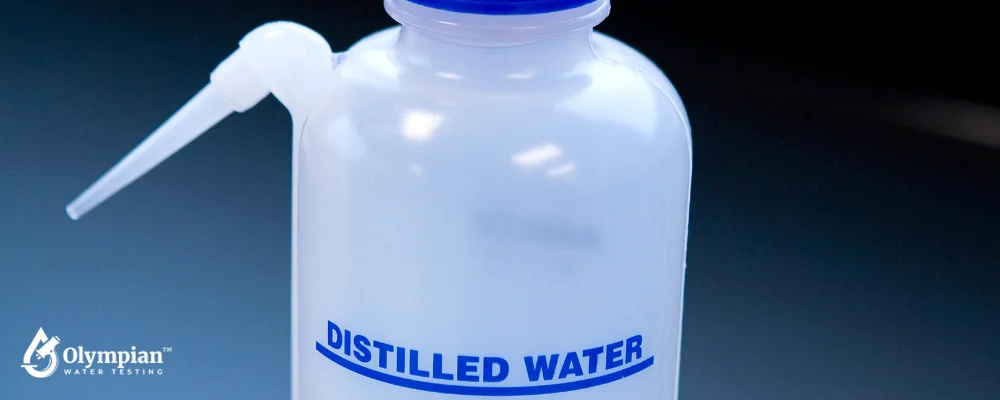
Distilled water offers several key benefits that make it a preferred choice for certain situations. It is incredibly pure, free from contaminants like bacteria, viruses, and chemicals such as chlorine or fluoride. Distilled water can be especially beneficial for those with specific medical needs, such as individuals undergoing dialysis or those on a low-mineral diet. It also supports better taste in beverages like coffee and tea, as it allows the natural flavors to come through without interference from minerals. Additionally, distilled water is environmentally friendly when produced with home distillation systems, reducing the need for bottled water. Another advantage is its usefulness in household appliances, as the lack of minerals helps prevent scale buildup in devices like steam irons and humidifiers. Moreover, the benefits of nonfluoride water extend to dental health for individuals who prefer to manage their fluoride intake through other sources. By choosing distilled water, people can enjoy a cleaner and more controlled hydration option tailored to their specific needs. Moreover, distilled water is an excellent choice for cooking, as it ensures the purity of the ingredients by eliminating any unwanted minerals or impurities that could alter the flavor or quality of dishes. This is particularly important for recipes that require precision, where the fluoride concentration in water could otherwise affect the final taste. Furthermore, using distilled water in aquariums or for steam irons can help prevent mineral buildup and prolong the life of these appliances.
- Purity: Free from contaminants, chemicals, and bacteria
- Ideal for low-mineral diets or medical use
- Enhances flavor in drinks like coffee and tea
- Eco-friendly option when using home distillation systems
A 2019 study from the Journal of Environmental Health confirmed that distillation removes over 99% of common waterborne contaminants, making distilled water one of the safest options for those seeking high-purity water. Additionally, the study highlighted that while distilled water is effective in removing impurities, it also results in lower levels of essential minerals that are often found in regular tap water. This leads some residents to compare the mineral content in distilled water to that of their regular supply, considering factors like fluoride levels in New York City, which is typically maintained at safe levels to promote dental health. Consequently, the choice between distilled and tap water can depend on individual health needs and preferences concerning mineral intake.
Conclusion
Distilled water is often misunderstood, but dispelling the myths surrounding it is essential for making informed decisions about its use. Whether it’s the misconception that distilled water leaches minerals from your body, its perceived lack of taste, or its association with only industrial applications, the facts clearly show that distilled water is safe, beneficial, and versatile. In fact, it’s one of the purest forms of water available, offering unique advantages such as ensuring safety in places with contaminated water sources or meeting specific medical needs. With the right knowledge, distilled water can be a valuable addition to your hydration routine, especially when combined with a balanced diet to ensure that your body receives all the essential minerals it requires. So next time someone calls it “dead water,” you’ll be ready to set the record straight!
Share this on social media:
Facebook
Twitter
LinkedIn

Related Posts