
Background on Waterborne Illnesses in the United States
Clean drinking water is essential for public health. Communities rely on rigorous treatment methods to ensure safety. Yet, harmful organisms can sometimes evade detection, posing a risk to entire neighborhoods.
Local agencies work together to prevent contamination. They focus on screening for microorganisms in water treatment. Despite these efforts, resilient pathogens like cryptosporidium can survive harsh conditions before reaching the public supply.
Overview of Common Pathogens
Giardia, norovirus, and Salmonella are common culprits behind waterborne illnesses. These pathogens can thrive in open reservoirs and then enter local pipelines. Each poses unique risks, but they often spread rapidly across large populations.
Historical Perspective on Water Safety
The quest for safer drinking water began in the early 20th century. Initial efforts included basic filtration and chlorine treatments. Later, federal regulations like the Safe Drinking Water Act pushed for further advancements.
Despite these strides, persistent threats continue to challenge local and federal authorities. Ongoing improvements are necessary to mitigate these risks and protect public health.
The Early Warning Signs in Milwaukee
Local clinics saw a sudden spike in gastrointestinal issues. People were concerned about strange smells and cloudy tap water. These signs hinted at trouble, but the full extent was unknown.
Residents connected their stomach problems to water use. Symptoms like stomach cramps and ongoing pain were common. Many suspected contaminated water, setting the stage for a growing public health crisis.
Water treatment plants followed established protocols, leaving officials perplexed. Standard tests were not effective against resilient parasites. The early indicators underscored the need to detect subtle water quality changes before they become major threats.
Milwaukee Cryptosporidium: A Rising Concern
The discovery of Cryptosporidium parasites in local water supplies caused widespread worry. These infections led to symptoms like stomach cramps, nausea, and dehydration. Even a small amount of oocysts in water could cause illness, leading to calls for enhanced screening.
- Heightened vigilance around water treatment
- Expanded testing for hidden pathogens
- Public outreach to alert families about risks
A local cryptosporidiosis resource highlighted the parasite’s quick spread. Many cases were initially missed, prompting city leaders to demand stronger measures. This concern turned a local issue into a national alert.
“We recognized the seriousness once patients began flooding local clinics with unexplained stomach troubles,” said Dr. David Satcher, recalling a surge that captured broad attention.
How the Contamination Spread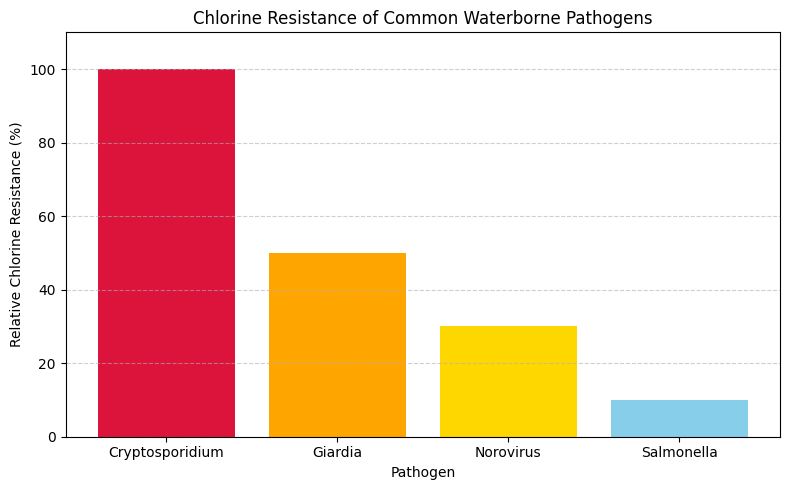
Microscopic organisms began to infiltrate local water systems through hidden gaps. Residents faced an unexpected challenge as drinking water contamination led to a surge in hospital visits.
The Milwaukee Journal Sentinel reported that families across multiple neighborhoods encountered severe cramps, fever, and diarrhea within days.
Survivors recalled sudden illness, revealing how quickly infections took hold. The tough outer shell of Cryptosporidium withstood chlorine-based treatments, leaving communities exposed to lingering risk. Drinking water contamination soon emerged as a central concern.
Possible Source of the Parasite
Farm runoff and wastewater discharge are frequently cited as prime contributors. Heavy livestock activity can funnel oocysts into streams and rivers, compromising municipal intake facilities. According to this report, unchecked disposal of waste creates pathways for deeper contamination.
Factors Leading to Rapid Transmission
Limited filtration systems failed to capture every contaminant. A few oocysts were enough to spark widespread infection. Improved screening and upgraded plant operations became urgent goals.
- Outdated processes in older treatment facilities
- High flow rates that bypass thorough filtration
Local leaders recognized the severe impact of drinking water contamination. They began tightening policies to prevent another crisis of this magnitude.
Immediate Response from Health Authorities
Local officials sprang into action as soon as the crisis hit, aiming to stop further illness and protect water safety. They collaborated with the Environmental Protection Agency and the Centers for Disease Control and Prevention. Their goal was to implement urgent strategies to stabilize the situation.
Emergency Measures
Boil-water notices were issued, advising everyone to treat tap water before drinking. Pharmacies ran out of antidiarrheal medications, showing the community’s growing worry. Treatment facilities increased filtration efforts, with specialists conducting thorough inspections around the clock.
Public Warnings and Advisories
Television and radio broadcasts delivered critical updates. State agencies provided guidance on handwashing and sanitation. Families were urged to watch for any signs of illness and adhere to consistent water safety practices at home.
- 24/7 hotline set up for health and water safety inquiries
- Door-to-door outreach in high-risk neighborhoods
- Regular press bulletins outlining evolving precautions
Agency | Action | Outcome |
EPA | On-site inspections | Strengthened filtration oversight |
CDC | Disease monitoring | Improved outbreak tracking |
Local Health Dept. | Boil-water alerts | Reduced immediate exposure |
Impact on Public Health
Hospitals saw a surge in patients during the crisis. Months of data showed high dehydration and severe symptoms linked to a parasite in water. Medical centers had to quickly reassign staff and find enough intravenous fluids for urgent cases.
Older adults faced severe challenges due to their weakened immune systems. Those with HIV/AIDS were at even higher risk, as this parasite could be life-threatening. Communities with limited healthcare resources were overwhelmed by the demand for urgent care. Experts highlighted planning gaps that left vulnerable groups more exposed.
Population | Main Risk | Key Concerns |
Older Adults | Dehydration | Weakened Immunity |
Patients with HIV/AIDS | Severe Complications | Higher Fatalities |
Long-Term Effects on Water Treatment Policies
Milwaukee’s water system emerged as a symbol of resilience. Public pressure led to major changes in purification methods. This turned a crisis into a catalyst for ongoing improvement.
This shift focused on implementing robust safeguards. The goal was to ensure drinking water remains free from parasites.
Upgrades to Filtration Technologies
Facilities adopted ozonation and UV irradiation to combat microbes in surface water. These technologies are complemented by advanced filters that capture a wide range of contaminants. Managers sought out equipment with enhanced efficiency and regular testing.
This approach improved water clarity and lowered the risk of future Cryptosporidium outbreaks.
Regulatory Oversight Enhancements
Increased oversight ensured cities met evolving EPA standards for pathogen removal. Inspections became more regular, increasing transparency in water quality. Officials worked with experts to develop data-driven strategies for early detection.
This transformation inspired other areas to update their water treatment policies. It helped build trust with local communities.
Media Coverage and Public Perception
This event captured the attention of the community, influencing how people viewed local leaders and water officials. Early TV alerts informed the public about the *boil order*, sparking conversations everywhere. Local reporters sought immediate explanations, while viewers anxiously followed newscasts about the cryptosporidium outbreak.
Community members demanded clear answers from every source. Stations provided health risk information and tips to reduce exposure. Reports sparked debates on the impact on trust in city agencies, leaving many anxious for transparent solutions.
Local News Reporting
Journalists across Milwaukee delivered daily updates. Late-night broadcasts reached households when anxiety was at its peak. Radio bulletins recapped key points for shift workers who missed prime-time TV. Citizens tuned in, hoping for concrete plans to end the crisis.
National Spotlight
The cryptosporidium outbreak soon became a major story in national newspapers. National pundits highlighted the urgent need to assess aging filtration methods. The spotlight led to broader scrutiny of safety protocols in other cities, raising fresh questions about the resilience of older facilities.
Media Platform | Key Role |
Television | Delivered breaking news and safety alerts |
Radio | Reached diverse audiences with timely broadcasts |
Print Outlets | Provided in-depth analysis on infrastructure |
Online News | Expanded discussions through comment sections |
Lessons Learned from the Outbreak
The event underscored the critical role of consistent oversight. Communities grasped the necessity of routine checks and transparent reporting in battling threats like the cryptosporidium parasite. Continuous monitoring proved indispensable for detecting early warning signs before they worsen.
Municipal leaders discovered that proactive investment in robust filtration units and ultraviolet disinfection bolstered defenses. Health departments stressed the importance of public education, highlighting the need for guidance on safe water use. Strategies such as boiling tap water and using certified filters can significantly mitigate hardship.
- Ongoing testing led by agencies such as the CDC
- Upgraded technologies designed to target harmful organisms
- Clear instructions for households facing contamination risks
- Open communication channels for rapid alerts
Preventive Measure | Objective | Outcome |
UV Disinfection | Neutralize cryptosporidium parasite | Fewer outbreaks |
Regular Testing | Identify early spikes in pathogens | Prompt containment |
Public Guidance | Encourage safe water practices | Reduced health risks |
Looking Ahead for Future Water Safety
Communities are urging for new investments in modern water treatment systems. The introduction of advanced filtration systems and real-time monitoring tools can bolster defenses against waterborne parasites. Research into cryptosporidiosis offers hope for preventing major outbreaks.
Experts emphasize the importance of open communication among water authorities, healthcare providers, and residents. They advocate for clear advisories and swift reporting of contamination risks. Public education campaigns can reinforce the importance of simple preventive measures, like boiling water.
Sustainable policies at both federal and local levels are essential for future water safety. Officials are vigilant for signs of waterborne parasites in aging systems. They focus on inspecting and repairing older infrastructure to minimize contamination risks. These efforts reflect a collective dedication to ensuring safe drinking water nationwide.