Understanding the Role of Water Parameters
Maintaining a balanced aquatic environment starts with grasping the interaction between ammonia, nitrite, nitrate, pH, GH, and KH. Each plays a role in fish health, affecting toxicity, buffering, and mineral content. Fish tank water parameters are key to tank stability, preventing harmful shifts for sensitive species.
Regular aquarium care checks ensure these values stay within safe limits. Monitoring these parameters helps spot imbalances caused by poor filtration or overcrowding. Early detection allows for quick fixes, protecting fish and maintaining a healthy environment.
Accurate tests provide vital insights into fish tank water parameters. High levels of ammonia and nitrite are dangerous, while stable pH and hardness support reliable biological cycles.
Consistent monitoring of these elements ensures stable conditions. Proper management reduces fish loss and costly repairs. Aquarium care goes beyond just feeding, highlighting the need for daily chemical balance.
The table below outlines key parameters and their roles in maintaining harmony. Stable readings in these areas keep fish healthy and minimize the need for emergency interventions. Regular monitoring creates a safer aquatic environment for both beginners and experienced hobbyists.
Parameter | Primary Role | Target Range |
Ammonia | Toxic byproduct from waste | 0 ppm |
Nitrite | Intermediate in nitrogen cycle | 0 ppm |
Nitrate | Long-term indicator of pollution | <40 ppm |
pH | Measures acidity or alkalinity | 6.5–7.5 |
GH/KH | Maintains mineral balance | Varies by species |
 Preparing the Right Tools and Testing Kits
Dependable supplies are key to monitoring water conditions effectively. Many aquarists rely on aquarium test kits to track changes in ammonia or nitrates. Yet, consistent use is essential for spotting sudden changes. Observing the fish tank pH level can reveal early signs of emerging problems that could harm aquatic life.
Choosing Reliable Test Strips
Test strips are a favorite among beginners for their speed. Brands like API or Tetra offer user-friendly options that require minimal steps. These strips give snapshots of key parameters without complicated procedures. Results may vary in precision, so hobbyists often perform frequent checks until the aquarium stabilizes.
This routine helps catch unexpected dips or spikes that could unsettle fish.
Digital Meters and Their Benefits
Digital meters, such as those by Hanna Instruments, offer more precise readings. They can be calibrated for improved accuracy, though they typically cost more than strips. Many experienced keepers appreciate their consistent performance in managing a fish tank pH level.
Using these meters alongside test strips can deliver a well-rounded view of water quality over time.
Key Factors Influencing water quality in fish tank
Clean, balanced water is vital for vibrant aquatic life. Many hobbyists follow careful fish aquarium maintenance practices. This creates a stable fish tank environment. Identifying major contributors to water quality helps prevent issues before they harm fish.
Ammonia and Nitrite Levels
Ammonia levels rise from waste, leftover food, and fish excretion. Beneficial bacteria convert this toxic compound to nitrite, which is also dangerous in high amounts. Both should remain as close to zero as possible. Frequent monitoring with trusted kits, such as those from API, helps owners keep these compounds in check.
pH and Hardness
A moderate, steady pH range supports healthy fish. Hardness (GH/KH) acts like a buffer, reducing swings that stress aquatic creatures. Spot checks with reliable tools let aquarists address any sudden drops or spikes. Gradual corrections are important, as abrupt shifts can be harmful to sensitive species.
Temperature Consistency
Water temperature often affects immunity and comfort in fish. A steady range prevents stress-related illnesses. Devices like adjustable heaters, paired with digital thermometers, offer peace of mind. Small, gradual changes foster a more stable fish tank environment and support overall wellbeing.
Measuring pH Levels Accurately
Keeping water chemistry in balance is essential for the health of aquatic life. Most freshwater species thrive in a pH range of 6.5 to 8.0. Yet, some fish may require specific pH levels. It’s more important to maintain consistency than to focus on a single number. Regular checks help prevent sudden changes in pH levels.
A sudden drop or rise in pH can signal underlying issues. Fish may exhibit signs like gasping at the water’s surface or unusual behavior. These signs indicate the need for immediate adjustments. Regular water testing, whether using test strips or digital meters, helps detect changes early. Both methods ensure stable conditions for aquatic life.
Making small adjustments to water sources or using pH buffers in moderation can correct subtle changes. Gradual changes reduce stress on fish and promote a healthier environment. Observing fish behavior daily is key to proactive care.
Freshwater Species | Preferred pH Range |
Betta | 6.5 – 7.5 |
Guppy | 7.0 – 7.2 |
Angelfish | 6.5 – 7.5 |
Neon Tetra | 6.0 – 7.0 |
Examining Ammonia, Nitrite, and Nitrate
Water quality can fluctuate with waste accumulation, making monitoring essential. Ammonia arises from fish waste. It’s critical to maintain low levels, as even slight increases can harm organs and stress fish.
Why Ammonia Spikes Occur
Ammonia spikes often stem from excess food decomposition or inadequate filtration. Beneficial bacteria convert it into nitrite. An API test kit alerts aquarists to sudden changes, allowing for timely intervention.
Balancing Nitrite for Fish Safety
Nitrite hampers fish oxygen transport. Regular testing prevents it from stressing aquatic life. A robust bacterial presence in a well-kept aquarium limits nitrite through continuous biofiltration.
Managing Nitrate Over Time
Nitrate, though less toxic, can harm fish if not managed. Regular water changes control nitrates and nitrites, boosting fish health. Live plants absorb nitrate, aiding in maintaining equilibrium.
Parameter | Safe Range | Potential Issues if Exceeded |
Ammonia | 0 ppm | Organ damage, stress |
Nitrite | 0 ppm | Oxygen deprivation, breathing difficulties |
Nitrate | Under 20 ppm | Increased algae, sluggish behavior |
Identifying Signs of Poor Water Quality
Subtle changes in behavior or appearance often signal serious issues in a tank. Recognizing these signs early is key to effective aquarium care. It prevents long-term problems. Testing with a Seachem sensor or API strips can confirm water parameters, leading to timely corrections.
Behavioral Clues in Fish
Gasping at the surface or sluggish swimming can indicate rising ammonia and nitrite levels. Toxic buildup harms gills, causing rapid breathing and dull coloration. Lethargy and odd swimming patterns suggest worsening conditions that may require swift attention.
Changes in Water Clarity
Cloudy water can signal bacterial blooms or excessive waste, creating a milky appearance. This often occurs in new setups or when debris accumulates. Sudden haze poses risks if left unchecked. Regular checks of fish tank water parameters help resolve these hazards.
Algae Blooms and Their Causes
Unchecked algae produces greenish discoloration on glass and decorations. Elevated phosphates or nitrates contribute to rampant growth, reducing oxygen levels and stressing fish. Quick action and balanced aquarium care keep algae under control, protecting overall aquatic health.
Incorporating Regular Maintenance Routines
Regular upkeep is essential for maintaining a stable aquarium environment. A routine that includes partial water changes, debris removal, and filter cleaning is key. This prevents harmful toxins from accumulating in the tank. Small, frequent water changes help reduce stress on fish by removing dissolved waste in a controlled manner.
Filter media cleaned in tank water preserves beneficial bacteria. These bacteria support balanced conditions over time. This approach ensures a healthy environment for aquatic life.
Including fish aquarium maintenance and consistent aquarium water testing helps maintain stable parameters. This protects aquatic life from sudden changes. Proactive steps, such as removing leftover food, controlling algae growth, and inspecting equipment, lower the risk of unexpected problems.
- Schedule partial water changes weekly
- Rinse filter media in tank water
- Siphon debris from gravel
- Monitor temperature and clarity
Task | Frequency |
Partial Water Change | Every 1–2 weeks |
Filter Media Rinse | Every 2–4 weeks |
Gravel Vacuum | Monthly |
Algae Inspection | Weekly |
Selecting the Best Filtration Systems
Choosing an effective fish tank filter is key to removing debris and preventing buildup that harms aquatic life. Well-balanced equipment supports a stable fish tank environment and maintains clear water.
Brands like Tetra or Marineland offer models suitable for varied tank sizes and fish loads. Each design should match the volume of water and the specific needs of the inhabitants.
Mechanical vs. Biological Filtration
Mechanical filtration traps visible waste, such as leftover food, before it decays. Biological filters foster colonies of beneficial bacteria that break down ammonia and nitrite. This tandem approach creates a healthier home for fish by reducing harmful substances in the water. Many systems combine both methods in one unit to keep maintenance simple.
Using Chemical Media Strategically
Chemical media targets dissolved impurities. Activated carbon and specialized resins neutralize toxins that linger between water changes. This added layer helps manage chloramines and other contaminants that standard filters might miss. It complements mechanical and biological methods, improving overall water quality for long-term success.
Adding Live Plants to Improve Water Quality
Live aquatic plants enhance filtration by absorbing harmful substances like ammonia, nitrite, and nitrate. This supports the health of fish. They also improve oxygen levels and maintain a stable environment by consuming nutrients naturally.
Popular choices include:
- Amazon Sword
- Java Fern
- Hornwort
Bright lighting systems are essential for plant growth. Some aquarists use Seachem Flourish or API Leaf Zone for extra nutrients. This method prevents algae from taking over, leading to clearer water and calmer fish.
"Greenery within an aquarium can transform nitrate control, keeping fish healthier."
The Importance of Dechlorination
Municipal water supplies often contain chlorine or chloramine to kill bacteria. These chemicals can harm beneficial bacteria and threaten the health of aquatic life. Dechlorination breaks these harmful bonds, making the water safe for fish tanks. This step is critical for maintaining the water parameters and protecting fish gills during maintenance.
Regular water changes require a reliable conditioner. Seachem Prime is a fast-acting option that removes chlorine without harming fish fins. Regular dechlorination reduces stress on fish and preserves beneficial bacteria. Choosing a proven conditioner supports a balanced aquarium ecosystem.
Monitoring water parameters is key to maintaining a stable environment. Many hobbyists report fewer illnesses and clearer water. Using a conditioner at each refill enhances the tank’s health over time. Given the variability of tap water across regions, a protective approach ensures fish health and minimizes setbacks.
Conducting Periodic Water Changes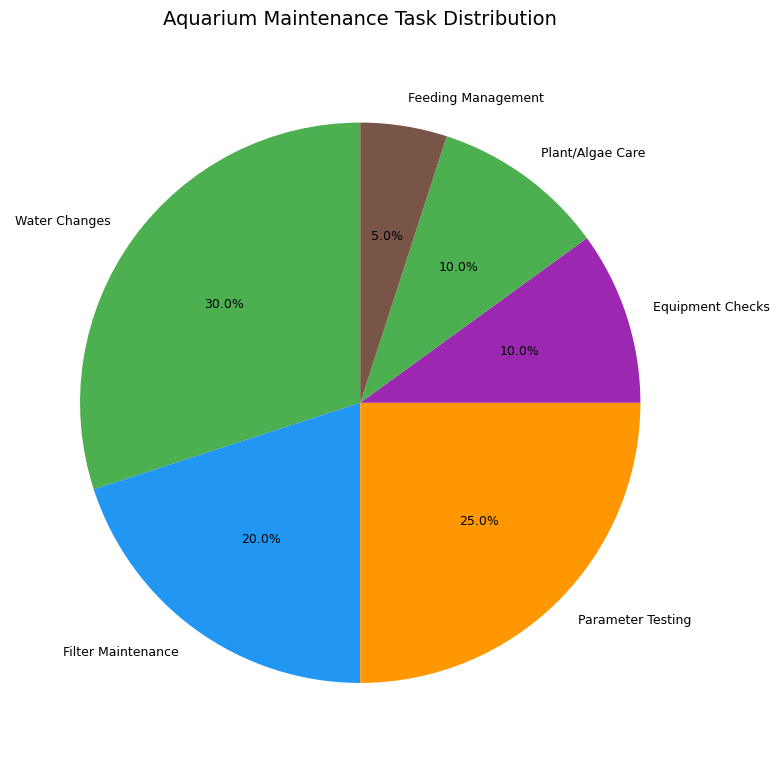
Regular care often involves refreshing aquarium water while keeping fish safe. This practice supports healthy pH levels, stable temperature, and fewer toxins. Many aquarists rely on aquarium water testing to stay informed about shifts in water quality before taking action.
Partial vs. Full Water Changes
Replacing a small portion of tank water each week helps maintain low nitrate levels and replenishes trace elements. This strategy lowers the chance of shocking fish by avoiding sudden shifts in pH or temperature. A full water change can be risky if it causes abrupt alterations, so partial water changes provide a gentler solution that supports a stable environment.
Practical Water Changing Tips
Matching incoming water temperature reduces stress on aquatic life. Using a gravel vacuum removes debris from the substrate, keeping the tank cleaner and preventing residue buildup. Checking parameters with aquarium water testing tools before and after each change helps gauge ongoing conditions. This approach promotes a comfortable habitat where fish thrive without drastic upheavals.
Maintaining Stable Temperature and Lighting
Keeping the water warm is key for fish health. Sudden temperature changes can stress and make them sick. A good fish tank filter and heat control are essential for a stable environment.
Choosing the right heater size is critical. For more information, check out this Tetra guide on ideal aquarium temperatures. Regular checks ensure the heater works well and prevents temperature fluctuations.
Choosing the Right Heater
Heaters with adjustable controls allow for precise temperature settings. Look for durable materials and a guard to protect against fish contact.
Lighting’s Impact on Aquatic Life
Lights influence fish behavior and growth. Too much light can cause algae, but plants need enough light. A balanced lighting schedule enhances visibility and promotes a healthier environment.
“Stable temperature and planned lighting ensure balanced habitats for fish and plants, improving every daily cycle.”
- Keep a thermometer at eye level
- Check bulbs for flickering signs
- Adjust timers with seasonal changes
Aquarium Type | Recommended Temp Range (°F) | Lighting Duration (Hours) |
Freshwater Community | 75–80 | 8–10 |
Saltwater Reef | 77–80 | 9–11 |
Planted Tank | 72–78 | 8–9 |
Monitoring Progress with a Water Testing Schedule
Regular water tests provide critical insights into your tank’s health. In the early stages, experts recommend daily checks for ammonia and nitrite to protect new fish. For well-established tanks, weekly or monthly tests are often sufficient. Any changes in fish behavior could indicate the need for more frequent testing.
Regular aquarium water testing helps you stay ahead of any issues. Keeping detailed records helps identify trends that influence your maintenance routine. Simple notes on pH, nitrate, or temperature levels can reveal patterns. This information guides your decisions. Tools from API or Seachem make these tests straightforward.
Suggested Steps for a Long-Term Plan:
- Set up a routine based on your tank’s age.
- Record each test result in a log or spreadsheet.
- Act swiftly if you notice any changes in fish behavior or color.
Tank Stage | Testing Frequency |
New Setup (First 1-2 Weeks) | Daily Measurements |
Established Aquarium | Weekly or Monthly Checks |
Sustaining a Thriving Aquatic Environment
Creating a stable habitat starts with regular checks. Monitoring pH, nitrate levels, and more ensures fish health. Early detection of water quality changes prevents harm.
Filtration is essential. It combines mechanical, biological, and chemical processes to maintain cleanliness. Dechlorinated water flow supports beneficial bacteria and prevents toxins. Regular water changes also help manage waste and maintain balance.
Live plants enhance aquarium care by removing pollutants and releasing oxygen. A reliable heater ensures a stable temperature, vital for many species. Proper lighting promotes healthy plant growth and supports fish well-being.
Regular maintenance leads to healthier fish and a thriving aquarium. This environment delights both the fish and those who observe them.
FAQ
Why is consistent testing of water parameters so important?
Monitoring key metrics like ammonia, nitrite, nitrate, and pH is vital. It helps spot toxins before they harm fish. Even if the tank looks clean, unseen imbalances can stress fish and disrupt the nitrogen cycle.
How does pH affect fish health in a freshwater tank?
pH affects the acidity or alkalinity of the water, impacting fish biology and beneficial bacteria. It’s better to maintain a consistent pH than constantly adjust it to a specific number.
What is the role of ammonia and nitrite testing?
Ammonia and nitrite are toxic byproducts of fish waste and decaying matter. Regular tests detect harmful spikes early. This allows hobbyists to take quick action with partial water changes or enhanced filtration.
Which testing method is the most cost-effective for beginners?
Test strips are budget-friendly and easy to use. They might not be as precise as reagent kits or digital meters. Yet, they’re a good starting point for new hobbyists to get into regular tank checks.
Why is dechlorination essential during water changes?
Tap water often contains chlorine and chloramine, harmful to fish gills and beneficial bacteria. A reputable dechlorinator neutralizes these chemicals, protecting the tank’s ecosystem.
How do live plants help improve water quality?
Aquatic plants absorb ammonia, nitrite, and nitrate naturally. With proper care, they reduce algae growth by competing for nutrients. This promotes a healthier aquarium environment.
How can temperature fluctuations impact fish?
Rapid or extreme temperature changes stress fish and weaken their immune systems. This can lead to disease outbreaks. Keeping the temperature stable minimizes stress and promotes health.
Is there an optimal maintenance schedule for water changes?
Smaller, more frequent water changes are generally better. They remove dissolved wastes and replenish trace elements gradually. This minimizes stress on fish and maintains a balanced bio-load.
Are multiple filtration types necessary in one aquarium?
Combining mechanical, biological, and chemical filtration targets different pollutants. Mechanical media capture debris, biological media nurture nitrifying bacteria, and chemical media remove impurities like excess organics or chlorine remnants.
What is the benefit of keeping an aquarium testing log?
Recording test results over time reveals trends in pH, ammonia, and other parameters. This helps aquarists address issues quickly and maintain stable conditions for healthy fish.