Water Quality and Fishing: Exploring the Connection for Recreation
- Published:
- Updated: December 16, 2024
Listen to this article
Summary
Water quality significantly impacts recreational fishing, influencing fish habitats, health, and anglers’ experiences. Factors like land use, human activities, and natural processes degrade water quality, affecting fish populations and ecosystem health. Strategies to improve water quality include land use planning, water quality monitoring, watershed management, stormwater management, conservation efforts, and education. Clean water is essential for fish populations, providing necessary conditions for their survival and growth. Climate change poses additional challenges, altering water temperatures and storm patterns, further impacting water quality and fishing. Anglers play a vital role in protecting water resources by practicing responsible fishing and supporting conservation efforts to ensure sustainable fishing for future generations.

Millions of individuals in all parts of the world fish. Whether you’re an experienced fisherman or a novice, fishing is a great way to spend time in nature, get closer to the wild and just relish the action of the catch. But water quality matters a lot, both to you and to the well-being of the ecosystem in which you fish.
How Does Water Quality Affect Fishing?
Fishing can be directly and indirectly affected by water quality both on the level of the populations and on the fishing itself. Here are some of the ways water quality impacts fishing:
Habitat for fish: The quality of water can determine whether fishes have access to and are in the right habitat, including spawning and nursery areas, feeding grounds and cover. Habitat loss and fish decline can happen because of insufficient water quality. For instance, when the water isn’t clean enough, the dissolved oxygen in the water drops so fish cannot breathe. That can stress, disease and kill fish populations.
Aquatic health: There can also be impacts on aquatic health such as growth, reproduction, and survival of fishes based on water quality. Water pollutants and contaminants affect fish health, and when they’re exposed to them they lead to lower fertility, abnormal growth and higher disease risk. For instance, mercury and other metals in water can corrode fishes’ nervous system, rendering them unable to hunt, mate and escape from predators.
Fishing experience: Water quality can also influence the experience of fishing like the number and diversity of fishes, size and quality of the fish, the feeling of the experience. Difficult water can mean less fish and a less quality fishing experience. So, for instance, if water quality is bad, the population might go down and it might become more difficult for fishermen to catch fish. And also due to contaminants and pollutants in water fish become unhygienic to eat, diminishing the pleasure of fishing.
What are the Main Factors that Affect Water Quality?
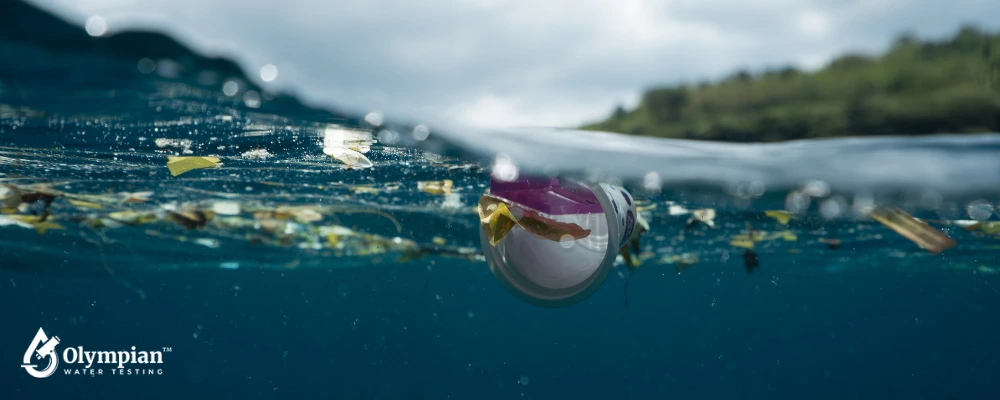
Agri-environment, urban development, and deforestation all involve the discharge of pollutants and pollutants into water — nutrient, sediment, chemicals, etc. For instance, when land is disturbed for agriculture, the soil could be bare and wash down into riparian zones, leaching sediment and nutrients into the water and diminishing water quality.
Debris, pollutants and contaminants can get into water through human activity like sewerage discharge, industrial emissions and storm-water run-off. Those include: wastewater from your home or business, for instance, that might have a lot of chemicals, bacteria, and nutrients, that can affect water quality and cause damage to wildlife. So too can industrial discharge containing toxic chemicals and heavy metals that pollute water and affect the welfare of fish.
Water quality can also be affected by natural processes (eroding land, storms) that release nutrients and sediment into water. When it rains heavily, for instance, the more runoff that occurs, the more erosion occurs and the more sediment and pollutants get sucked into the waterways, leading to lower quality water.
What Can be Done to Improve Water Quality for Fishing?
A number of ways water quality and sustainable fishing can be promoted include:
Planned land use: Land use planning can be applied to ensure water quality reduction from land use activities such as applying best management practices in agriculture and urbanization. Cover crops, conservation tillage and buffer strips can be used for water quality control, for instance, in land use planning.
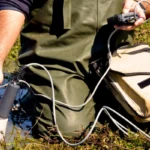
Water quality monitoring: Monitoring water quality can be used to measure aquatic ecosystem health and to pinpoint problems. Such data can be used to make management decisions and guide water quality improvements. For instance, water quality monitoring could include temperature, pH, dissolved oxygen, contaminants and pollutants.
Managing watersheds: Watershed management is an option for managing human impact on water quality, such as the best management practices for wastewater and industrial discharge. Watershed management, for instance, may include sewage treatment plants and best management practices for industrial discharge to prevent contaminants and contaminants being released into water.
Stormwater management: Stormwater management strategies can be implemented to mitigate stormwater runoff impacts on water quality such as green infrastructure and rain gardens to capture and treat stormwater. Green infrastructure could be – for instance – rain gardens, bioswales and permeable pavements to capture runoff and ensure water quality.
Conservation: Conservation efforts — wetlands and streams can also conserve and improve water quality through the protection and restoration of habitats. Conservation can, for instance, cover wetland and stream restoration, degradation, and invasive species management.
Education and outreach: Education and outreach can be used to spread the word about the significance of water quality for fishing and how to manage it. For instance, education and outreach can be the creation of educational programs, the dissemination of materials, and the educating of stakeholders about water quality.
The Importance of Clean Water for Fish Populations
The most important thing about water quality for fishing is how it affects the fish. Fish need clean water to keep them healthy and viable, and a healthy environment to breed, feed and develop in. Stream pollution can cause habitat loss and diminish populations, and can increase the odds anglers won’t catch as many fish. Also, pollutions and contaminants in water have adverse effects on fish health, from growth, reproduction, and survival.
The Impacts of Climate Change on Water Quality and Fishing
The water quality and fishing are all being affected by climate change – higher temperatures, storms, shifting patterns of precipitation and so on affecting aquatic environments. The more warm water, the less fish will be able to thrive and have the opportunity to find habitat, and the more stormwater runoff will discharge pollutants and contaminants into water. Such changes can be hugely affecting fishing, leading to fewer fish and fewer species, and lower quality of the fishing experience.
The Role of Anglers in Protecting Water Quality for Fishing
For anglers, water quality is protected and fish can be sustainable for future generations. With fisherman practicing catch-and-release, and using non-toxic fishing tackle, fishermen can mitigate their effects on aquatic ecosystems. Anglers can also donate to conservation and support water quality protection and management policies and practices, such as land use planning, water quality monitoring, and watershed management. Together, anglers can keep our waters clean and healthy, and fishing a loved and sustainable hobby for future generations.
Share this on social media:
Facebook
Twitter
LinkedIn

Related Posts