Connection Between Water Quality and Childhood Illness
- Published:
- Updated: November 14, 2024
Listen to this article
Summary
Improving water quality is crucial for safeguarding children’s health. Factors like contaminants, sanitation, and climate change impact water quality and can lead to childhood illnesses like gastrointestinal issues and developmental delays. Technology aids in testing and treating water, while community involvement and government action are vital for prevention. Promoting proper sanitation, investing in research, and supporting local initiatives are key steps. International aid plays a critical role in addressing global water quality challenges and protecting children’s health.

Humans cannot live without clean, safe water. But in most parts of the world, water quality is a problem, and the effect of water quality on health is a concern, especially among children.
What are the factors affecting water quality and childhood illness?
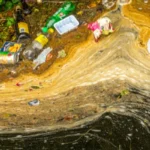
- Contaminants in drinking water: The presence of contaminants in drinking water can have a significant impact on children’s health. Contaminants such as lead, arsenic, and bacteria can cause a range of health problems, including gastrointestinal illness, neurological damage, and developmental delays.
- Sanitation and hygiene practices: Poor sanitation and hygiene practices can also contribute to water quality problems and increase the risk of childhood illness. Lack of access to safe and clean drinking water and inadequate sanitation facilities can increase the risk of waterborne diseases, such as cholera and typhoid fever.
- Climate change: Climate change is also having an impact on water quality and childhood illness. Changes in precipitation patterns and rising temperatures can increase the risk of water pollution and contamination, as well as the spread of waterborne diseases.
The role of technology in improving water quality and protecting children's health

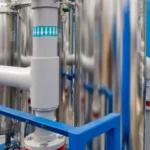
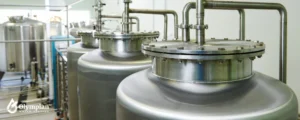
Technology plays a crucial role in improving testing water quality and protecting children’s health. Advanced water treatment technologies, such as reverse osmosis and ultraviolet sterilization, can help remove contaminants from drinking water and improve its quality. Additionally, technologies such as water sensors and monitoring systems can provide real-time data on water quality, enabling communities to take action to improve water quality and protect children’s health.
The impact of access to clean water on child development
Access to clean water can have a significant impact on child development. Children who have access to clean and safe drinking water are less likely to suffer from gastrointestinal illness and other health problems, which can impact their physical and cognitive development. Additionally, access to clean water can improve hygiene, reducing the risk of waterborne diseases and improving overall health and well-being.
What is the impact of poor water quality on children's health?
- Gastrointestinal illness: Poor water quality can lead to gastrointestinal illness, which is a common cause of childhood illness. Contaminants in drinking water can cause diarrhea, vomiting, and stomach cramps, which can lead to dehydration and malnutrition.
- Neurological damage: Exposure to contaminants such as lead and arsenic in drinking water can cause neurological damage in children, leading to developmental delays, behavioral problems, and decreased IQ.
- Developmental delays: Poor water quality can also lead to developmental delays in children, including delays in physical, cognitive, and emotional development.
- Increased risk of waterborne diseases: Poor water quality increases the risk of waterborne diseases, such as cholera and typhoid fever, which can be particularly dangerous for children.
The importance of community involvement in improving water quality and protecting children's health
Community involvement is essential for improving water quality and protecting children’s health. Communities can play a role by advocating for better water management practices, promoting proper sanitation and hygiene practices, and supporting local initiatives to improve water quality. By working together, communities can ensure that children have access to clean and safe drinking water and are protected from the impacts of poor water quality.
What can be done to improve water quality and protect children's health?
1. – Improve water treatment and distribution systems.
Improve water treatment and distribution infrastructure for clean, safe water. This can be in the form of upgrading current systems, new treatments, and improvements to water distribution.
2. Supporting sanitation and hygiene, etc.
Disinfecting children is preventable with proper sanitation and hygiene. That could mean giving people access to safe and clean water, encouraging handwashing, and upgrading toilets.
3. Investing in research and development
Investing in research and development can help improve our knowledge about the relationship between water quality and childhood illness, and how poor water quality affects children’s health. It can spur the invention of new technologies and methods for water quality improvement and child safety.
4. Raising awareness and educating communities
Awareness and training of communities in the issues of water quality and how water quality affects the health of children is essential. That can be through the education of communities on sanitation and hygiene practices, as well as educating about the need for access to clean and safe water.
5. Encouraging government action
Water quality and the health of children require governments to step up. These might range from regulation and enforcement to funding research and development and infrastructure.
6. Collaborating with international organizations
It’s possible to work with international agencies to improve testing water quality and save children’s lives at an international level. International agencies could offer technical support, research and development and water and sanitation best practice.
7. Supporting local initiatives
Helping local projects also can help in restoring water and keeping kids safe. Such could be by supporting local efforts to upgrade water treatment and distribution, through education and awareness, and by providing funding for infrastructure improvements.
The role of international aid in improving water quality and protecting children's health
International aid to clean the water and keep children safe: The place of foreign aid in the water-quality improvement and child protection agenda.
Foreign aid can also be important to maintain the water quality and save children’s lives. Aid organisations can finance research and development, help to establish water treatment and distribution infrastructure, and teach the right ways of treating and sanitising water. International aid agencies and local communities could jointly clean water and safeguard children’s health.
The water quality and child health protection is a highly technical and multifaceted problem. We can help ensure that children receive clean, safe water, and are protected from the effects of water contamination through water treatment and distribution infrastructure, sanitation and hygiene education, research and development, education and awareness raising, government intervention, working with international agencies, local activities and engagement of communities to make sure that kids get good water, safe water and don’t suffer from water quality issues.
Share this on social media:
Facebook
Twitter
LinkedIn

Related Posts