Understanding Water Contaminants
- Published:
- Updated: December 16, 2024
Listen to this article
Summary
Water contaminants pose serious risks to human health and the environment, making it crucial to understand their types and effects. Here’s an overview:
- Types of Contaminants: Chemical, microbial, physical, and radiological contaminants can enter water sources through natural processes or human activities, leading to various health issues.
- Health Effects: From short-term gastrointestinal illnesses to long-term chronic conditions like cancer, water contaminants can have severe health impacts.
- Sources and Prevention: Contaminants enter water through natural sources, human activities, and water treatment processes. Testing water, using filters, boiling, and selecting safe sources are effective preventive measures.

We need water to live but not all water is good. There are a lot of contaminants in water and you need to know what they are, how they enter the water, and how they affect your health.
Types of Water Contaminants
Chemical Contaminants
Chemical contaminants are chemicals that can exist in water such as pesticides, industrial chemicals, and cleaners. These pollutants enter the water supply in agricultural drainage, industrial effluent and garbage. Chemical pollutions can be life-threatening: cancer, birth defects and other fatalities.
Microbial Contaminants
Microbial contaminants are tiny water-living microorganisms such as bacteria, viruses and parasites. They can enter the water supply through animal or human excrement, and can be fatal to health, from digestive problems to infections.
Physical Contaminants
Physical contaminants are things that you can find in water such as sediment, sand and particles. Physical pollutants enter the water supply through erosion, runoff and other means and damage water-using appliances and plumbing.
Radiological Contaminants
Radiological contaminants are radioactive elements such as uranium, radium and other substances. Radiological pollutants reach the water supply from nature (rocks) and from humans (mines, nuclear power generation).
Understanding the Health Effects of Water Contaminants

Health Risks of Lead in Water, water efficient appliances, why should I test water?
Gastrointestinal diseases, eczema, and more can all be symptoms of water contaminants that are immediate. Such damage is possible from drinking contaminated water or touching contaminated water through skin contact or breathing.
There can be serious long-term effects from water pollution: cancer, birth defects and other chronic diseases. They can be cumulative, if we’ve been drinking contaminated water for a long time.
How Contaminants Get into the Water Supply?
- Natural Sources: Contaminants can enter the water supply through natural sources, such as rock formations, soil, and groundwater. For example, minerals like iron, manganese, and sulfur can leach into the water from the earth, causing it to taste and smell unpleasant.
- Human Activities: Contaminants can also enter the water supply through human activities, such as agriculture, industry, and household waste. For example, agricultural runoff can contain pesticides and fertilizers that can contaminate the water supply. Industrial discharges can release chemicals into the water, and household waste can contain chemicals from cleaning products and other household items.
- Water Treatment Processes: Finally, contaminants can enter the water supply through water treatment processes. For example, water treatment plants can use chemicals, such as chlorine, to kill bacteria and other contaminants, but these chemicals can also pose a health risk if not properly managed.
The Importance of Clean Water for Health and Wellness
Drink clean water for proper hydration which is crucial for overall wellness. The more the body is hydrated, the better it can perform, keeping its body temperature, allowing digestion and removal of waste. So drinking water that is fresh and not contaminated can keep you hydrated and support your overall health.
A good clean water is also necessary to take in nutrient and the body can utilize vitamins and minerals. It takes adequate water for the body to properly digest food and drinking filtered water can also ensure that your drinking water isn’t clogging up the process.
Why is clean water important for the environment?
Environment is another thing that clear water does, since it saves water. Water with contaminants can’t be drank or used otherwise and is over-tapped elsewhere. Make sure your water is pure so that you save water and the planet.
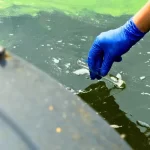
As is the case with drinking water, it’s crucial to not pollute it in such a way as to be damaging to the environment. The water quality can be contaminated, wildlife damaged and the natural processes — including the development of aquatic organisms and plants — disrupted. Then you’ll eliminate water pollution and save the planet by reducing the amount of contaminants in the water supply.
Protecting Yourself from Water Contaminants
You Should Test Your Water: The easiest way to avoid the contaminants in your water is by testing it. Depending on the water testing services you have, they will tell you whether or not your water is dirty and which types of contaminants it contains. It’s very cheap to test water and can be done by an expert lab or with a test kit at home.
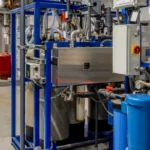
Get a Water Filter: The second way you can shield yourself from water contaminants is by getting a water filter. You can filter water to filter out impurities in your water, so it’s not dangerous to drink. There are many different water filters available from activated carbon filters to reverse osmosis systems and UV disinfection systems.
Combust Water: Another process for killing contaminants and sterilizing water is combusting water. Boiling water for a minute will kill most bacteria and viruses so it’s handy for those times you don’t have access to a water filter in an emergency.
Choose Containable Sources: Finally, choose Containable Sources of Water, ideally while on the go or during a time of crisis. Water that’s safe to drink is bottled water, water from a treated public supply, and water that’s been filtered with purification tablets or through a water filter.
The Importance of Clean Water for Agriculture and Industry
In agriculture, as crops and livestock need clean water as well, the same goes for the water. Water contamination can disrupt agricultural output with crop loss and livestock diseases. Producing crops and livestock safely and at a high level of productivity is possible if the agricultural water is clean and polluted.
There is also industry-relevant clean water because industries, manufacturing and power generation, depend on it. Weak water will disrupt the operation of industry and cause decreases in efficiency and cost. The cleaner and non-contaminated water that industry uses can allow industry to continue producing at a high rate while also doing less harm to the environment.
We need clean water for health and wellbeing, the natural world, for food and industry. Learn more about clean water and then act to make sure the water you consume is contaminate-free, to safeguard yourself, your neighborhood, and the world. Make sure the water we drink is clean, safe and healthy for all of us if you’re educated and aware.
Share this on social media:
Facebook
Twitter
LinkedIn

Related Posts