The Critical Role of Water Quality in Maintaining the Health and Productivity of Livestock
- Published:
- Updated: January 6, 2025
Listen to this article
Summary
Water quality is essential for maintaining the health and productivity of livestock.
- Poor water quality can lead to illness, decreased feed intake, and environmental damage.
- Regular testing, implementation of best practices, and investment in filtration systems are key to ensuring high water quality.
- As technology advances, there will be new methods for monitoring and improving water quality, driven by a focus on sustainability and environmental responsibility in the livestock industry.

So animals feed our food world with meat, dairy and other goods. And the health and productivity of these animals can only be maintained by providing them with good-quality water. Water quality can affect animal health and productivity – and water contamination can cause grave illness and low productivity.
Why is Water Quality Important for Livestock?
Water quality matters to livestock for several reasons. For one, everything that has a head and neck, even animals, need water to live. If the water animals drink is of a poor quality, they can get sick and even kill themselves. In the water there are contaminants (bacteria, chemicals) which can be toxic to the animals and cause acute illnesses.
Second, water quality can affect animal health and productivity too. In poor water quality, feed and weight gain can decrease – which affects the animal’s productivity. It can also bring diseases and other health problems, like indigestion and low immunity, which in turn affect the animals’ health and productivity.
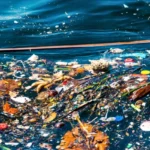
Also of importance for the environment is water quality. Low quality water can be disastrous for local plants and animals, upset the delicate ecology, and damage it for a long time. The meat industry usually operates in ecologically delicate places – in wetlands and at the coast – where bad water quality can be particularly damaging.
Monitoring Water Quality for Livestock

A Water Quality monitoring system is maintained for livestock by regular testing and monitoring. These programmes aim to make sure the water animals drink is clean and good.
Farmers and agriculturists, for instance, could periodically sample water that feeds livestock to check whether it is up to the task. This can include testing for bacteria and chemicals, pH and temperature of water. These tests are a basis for checking if the water is appropiate to use and to make suggestions on where improvements can be made.
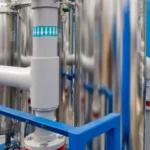
Not only can testing be done on a frequent basis, water management best practices can also be used to ensure that water quality is excellent for livestock. For example, through filtration (reverse osmosis, activated carbon filtration) of contaminants in the water and through closed loops (rainwater harvesting and recycling), reducing the volume of water that must be pumped from the environment. These best practices can ensure that the animal industry is being run safely and sustainably, with less harm to the planet and with animals’ health and productivity preserved.
What are the Consequences of Poor Water Quality for Livestock?
Animal water quality issues are many, but the most prominent are:
Illness and death. Water depletion makes livestock sick or die and decreases the health and efficiency of the animals. The bacteria and chemicals in the water can be toxic to the animals and cause serious illnesses.
Reduction in feed and gain in weight. If the water quality is not good, feed and weight consumption will fall, which will reduce the productivity of the animal. It’s due to a number of reasons such as decreased appetite and gut issues.
Risque of diseases and other health complications. The bad water quality can also make disease and other health issues like digestive problems and low immunity a bigger risk for the livestock health and productivity. This can occur because of contamination by the unwanted substances in the water and from the temperature and pH fluctuations of the water.
Environmental damage. A lack of quality water will impact the local environment and disturb the delicate equilibrium of the ecosystem in long-term. This is a result of pollution, and the overexploitation of nature’s waters.
Improving the Quality of Water for Livestock
If you want water for livestock to be as good as possible, there are a few steps that you can take:
Regular water quality testing and monitoring. Testing and monitoring of water quality must be done regularly so that the water animals drink is not only contaminated, but is good quality. This can be through testing for contaminants like bacteria and chemicals, and monitoring pH and water temperature.
Use of best management practices with water. By using water management best practices (filtration, closed loop, etc.) you can decrease the amount of contaminants in the water and provide sustainable water management practices. Whether it is reverse osmosis and activated carbon filtration to detoxify the water, or rainwater harvesting and recycling systems to help cut down on the number of water takes out of the environment.
Place money into filtration, and closed-loop. By investing in filtration, closed loop, you will remove pollutants from the water and save the amount of water that must be collected from the environment. This can make the water a bit better and also make sure that the livestock have good, pure water.
– Awareness among farmmen and animal keepers of the need for good water quality and water quality management. It’s one thing to train farmers and animal producers in water quality issues and how to keep it high, but also another to help make sure everyone is fully cognizant of the fact that water quality is vital for livestock health and productivity and is doing their best to keep it high. It could be water management training, routine water testing and monitoring.
What is the Future of Water Quality for Livestock?
With the development of new technologies, more effective and new ways to monitor and clean water are available to the livestock sector. That might mean more sophisticated filtration (nanofiltration and ultrafiltration) and the installation of sensors to continuously track water quality.
Also, as sustainability and environmental consciousness continues to gain traction, improved water quality for animals is likely to continue to improve. Businesses and producers will still invest in technologies and methods that are eco-efficient and environmentally sound as well as environmentally sustainable. These could include renewable energy solutions like solar and wind to supply power for water treatment and reduce industry’s carbon emissions.
Share this on social media:
Facebook
Twitter
LinkedIn

Related Posts