A Guide to Water Contaminant Testing
- Published:
- Updated: December 31, 2024
Listen to this article
Summary
Testing water for contaminants is crucial to ensure safety and prevent health risks.
- Identifying contaminants like bacteria, chemicals, pharmaceuticals, radionuclides, and microorganisms is essential.
- Regular testing, whether through home kits or laboratory analysis, ensures ongoing safety.
- Interpreting test results accurately with the help of professionals is key to addressing any concerns and maintaining water quality.

We need water for all our existence and we need to keep it clean from all those bad things. Water can be contaminated by industrial effluent, agriculture and natural disasters. Water should be tested for contaminants so that harmful compounds are known and action can be taken.
Why is Water Contaminant Testing Important?
Water contaminant testing is necessary so that we can be sure that water we drink, cook with, and bathe in is clean and not filled with contaminants. The contaminants in water cause all manner of illnesses from gastrointestinal disease to skin rash to cancer. Often by testing for contaminants, individuals and societies can maintain their water is clean and free of pollutants.
Water contaminant testing is necessary for companies and industries with operations in the water industry. Food and beverage companies, for instance, need to make sure that the water they use to manufacture their products is not contaminated with substances that spoil or harm food. In the same way, industries that put waste in waterways must also ensure that their effluent does not harm the environment or endanger people’s health. If a water contaminant testing New York is done regularly, any dangers are discovered and can be remedied by companies at a young age.
Moreover, water contaminant testing can be very useful for finding out about the general condition of a local water source. Government departments and institutions can leverage this data to plan for water quality restoration and preservation in the future.
Types of Contaminants Found in Water

There are many types of contaminants that can be found in water, including:
- Bacteria: Bacteria such as E. coli and Salmonella can cause gastrointestinal illnesses when present in water. Bacterial contamination can occur from a variety of sources, including agricultural runoff, septic systems, and sewage treatment plants.
- Chemicals: Chemicals such as pesticides, herbicides, and heavy metals can contaminate water and cause harm to human health. Chemical contamination can occur from agricultural runoff, industrial discharge, and even household cleaning products.
- Pharmaceuticals: Trace amounts of pharmaceuticals such as antibiotics, hormones, and antidepressants can be found in water, posing a risk to human health and the environment. Pharmaceutical contamination can occur from the discharge of untreated wastewater from hospitals and pharmaceutical manufacturing facilities.
- Radionuclides: Radionuclides are radioactive elements that can contaminate water and pose a risk to human health. Radionuclide contamination can occur from a variety of sources, including natural deposits of radioactive minerals and nuclear accidents.
- Microorganisms: Microorganisms such as viruses and parasites can cause waterborne illnesses when present in water. Microbial contamination can occur from a variety of sources, including agricultural runoff, septic systems, and sewage treatment plants.
Importance of Regular Water Contaminant Testing
Regular water contaminant testing is important for ensuring the ongoing safety and quality of water. This is particularly important for drinking water, as contaminants can change over time due to changes in the environment or the introduction of new sources of contamination. By regularly testing water, individuals and communities can ensure that their water remains safe and free from harmful substances.
Regular water contaminant testing is also important for businesses and industries that use water in their operations. For example, food and beverage manufacturers must regularly test their water to ensure that it meets the quality standards set by regulatory agencies. This helps to ensure that the products they produce are safe and free from harmful substances, protecting consumers and maintaining the reputation of the company.
For industries that discharge waste into waterways, regular water contaminant testing can help identify any potential risks and allow companies to take proactive steps to address them. This helps to ensure that their discharge is safe and meets regulatory standards, reducing the risk of harm to the environment and human health.
How to Test for Contaminants in Water?
There are several ways to test for contaminants in water, including:
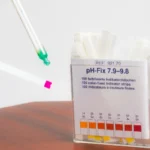
- Home test kits: Home test kits are available for individuals who want to test their drinking water for contaminants. These kits typically test for a limited number of contaminants and may not provide a complete picture of water quality. However, they can be a useful tool for identifying potential risks and determining whether further testing is necessary.
- Laboratory testing: Laboratory water testing is the most comprehensive and accurate way to test for contaminants in water. This type of testing is performed by certified laboratories and can test for a wide range of contaminants. Laboratory testing is the best option for individuals and businesses who want a detailed understanding of the quality of their water.
- Online resources: Online resources such as theEnvironmental Protection Agency’s (EPA) Safe Drinking Water Information System (SDWIS) can provide information on the quality of public drinking water systems. This information can be used by individuals to determine the quality of their drinking water and to identify any potential risks.
It is important to note that different testing methods may have different limitations and may not detect all contaminants. Therefore, it is important to consider the specific contaminants that are of concern and to select the appropriate testing method based on those concerns.
Interpreting Water Contaminant Test Results
Interpreting water contaminant test results isn’t always easy, especially for someone who doesn’t know much about water quality testing. Know the different types of contaminants that water can contain, and the levels where contaminants can pose a threat to humans. Then there are the issues regarding the scope of testing, including what contaminants will be found and how accurate the results will be.
Consult a certified water quality engineer or a registered laboratory to interpret water contaminant test results. These experts can advise you what the results mean and what to do to remove contaminants found. And they can also give you guidance on how to make the water in the future safe and free of pollutants.
Olympian Water TestingTM is home water testing in my area. We have on-site testing team, which helps you to save time and hassle. For a stress-free home water testing service that puts the wellbeing of your family at the centre, contact us.
Share this on social media:
Facebook
Twitter
LinkedIn