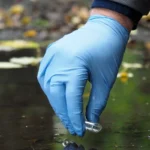
Demystifying Chemical Tests for Water Quality Analysis
- Published:
- Updated: May 21, 2026
Listen to this article
Summary
Water potability testing Manhattan highlights the importance of chemical analysis in understanding water quality, helping communities demystify complex tests and ensure safe drinking water. Water quality analysis, vital for various applications like drinking and irrigation, heavily relies on chemical tests. Key points include:
- Chemical tests determine the presence and concentration of contaminants, pH levels, and minerals in water samples.
- Benefits include enhanced understanding of water quality, early detection of contaminants, and improved water management.
- Limitations encompass costs, complexity, limited information, and time-consuming processes. Collaboration between governments and the private sector is crucial for effective water quality analysis.

The water quality monitoring is critical to the health and availability of water for drinking, irrigation and industrial processes. Chemical analysis is an essential part of the water quality tests because it shows you about various chemical factors that affect the quality of water. But all the chemistry terms and protocols can be daunting for non-chemists.
What are Chemical Tests for Water Quality Analysis?
Water Quality Chemical Tests : Chemical tests for water quality testing are tests to measure the concentration and amounts of particular chemicals and contaminants in water. Chemical tests can be anything from testing for heavy metals, pesticides, and harmful chemicals, pH tests to determine water’s acidity or alkalinity, and mineral tests to check the presence and concentration of minerals and elements in water. Such tests are often done in the lab, where a sample of water is taken and tested for chemicals and contaminants.
Different Types of Chemical Tests for Water Quality Analysis

There are several different types of chemical tests for water quality analysis, including:
- Contaminant Tests: These tests are designed to test for the presence of specific contaminants in water, such as heavy metals, pesticides, and toxic chemicals. They are important for detecting the presence of harmful substances in water and for ensuring that water sources are safe for human consumption and use.
- pH Tests: These tests are used to determine the acidity or alkalinity of water, and they are essential for ensuring that water is safe for human consumption and use. pH levels that are too low or too high can be harmful to human health, and pH water tests are used to ensure that water sources are within acceptable limits.
- Mineral Tests: These tests are used to determine the presence and concentration of specific minerals and elements in water, including calcium, magnesium, and iron. These tests are important for ensuring that water sources are balanced and that they contain the necessary minerals for human health.
How Chemical Tests for Water Quality Analysis are Conducted
Chemical tests for water quality analysis are typically conducted in a laboratory setting, and they involve taking a sample of water and analysing it for specific chemicals and contaminants. The sample is usually subjected to various chemical reactions and tests to determine the presence and concentration of specific factors that can impact water quality. The results of the tests are then used to determine the overall water quality and to identify any areas of concern that need to be addressed.
What are the Benefits of Chemical Tests for Water Quality Analysis?
Chemical tests for water quality analysis provide several important benefits, including:
- Improved Understanding of Water Quality: Chemical tests can provide important information about the quality of water sources, including the presence of contaminants, pH levels, and the presence of minerals and other elements. This information is crucial for ensuring that water sources are protected and kept clean, and it can be used to identify areas of concern and to develop strategies for improving water quality.
- Early Detection of Contaminants: Chemical tests can help to detect the presence of contaminants in water early on, which can be critical for preventing health problems and environmental degradation. Early detection of contaminants can also help to minimize the spread of harmful substances and to prevent further damage to water sources.
- Better Water Management: Chemical tests can provide important information that can be used to improve water management practices, and they can help to ensure the sustainable use of water resources. This information can be used to make informed decisions about water usage and to develop strategies for conserving and protecting water sources.
What are the Limitations of Chemical Tests for Water Quality Analysis?
While chemical tests for water quality analysis are an important tool, they do have some limitations, including:
- Cost: Chemical tests can be expensive, and they may not be feasible for some communities or organizations. This can make it difficult for these groups to access the information they need to ensure the safety and quality of their water sources.
- Complexity: Some chemical tests can be complex and require specialized equipment and expertise, which can make them difficult for some communities or organizations to conduct. This can limit access to important information about water quality for these groups.
- Limited Information: Chemical tests only provide information about specific chemicals and contaminants, and they may not provide a complete picture of water quality. Other factors, such as temperature, sedimentation, and microorganisms, can also impact water quality, and they may not be captured by chemical tests.
- Time-consuming: Chemical tests can take time to conduct, and the results may not be available for several days or even weeks. This can make it difficult to respond quickly to water quality concerns and can limit the effectiveness of water quality analysis.
How to Interpret the Results of Chemical Tests for Water Quality Analysis
It’s not always easy to make sense of the chemical results of water quality testing without an accurate understanding of water quality standards and laws. These tests are usually measured versus standard and guidelines to check if the water quality is suitable. If water quality isn’t right, the test results can be consulted to pinpoint areas of concern and come up with solutions to reduce water quality. Make sure to work with qualified water quality experts to interpret chemical test data for water quality analysis.
The Role of Governments and Private Sector in Chemical Tests for Water Quality Analysis
Chemical tests for water quality testing can be carried out by government agencies as well as by the private sector. Governments can fund and allocate money for water quality testing, or establish and enforce standards and controls for water quality. It can be helped by the private sector, too, with investments in water quality studies and implementation of sustainable water management in business. It’s also possible for the private sector to lobby for water use and protection policy and regulations and to collaborate with governments and other actors to increase awareness of water quality testing.
The Future of Chemical Tests for Water Quality Analysis
Water quality analysis chemical tests future could be determined by several factors such as the growing demand for water quality test, new technologies and innovations in water quality testing, and the growing realization that water quality matters. Both renewable energy sources and water quality being a more important topic in the future of water quality testing through chemical tests are likely to influence the direction of the future of water quality analysis, and will need to be embraced and adopted to ensure a long-term future of water quality analysis.
Share this on social media:
Facebook
Twitter
LinkedIn

Related Posts