Overview of Drinking Water Sources
Suffolk County relies on an ancient aquifer, formed millennia ago, for its daily water needs. This vast underground reservoir supplies over a million residents with quality water all year round.
The Suffolk County Water Authority runs programs like WaterWise to teach households about resourceful use. These efforts are essential for maintaining stable water supplies.
Local officials push for greater awareness of groundwater protection through events and workshops. These initiatives encourage community members to conserve water and protect this vital resource from pollution.
Protecting groundwater is critical for long-term public health. Neglect could lead to contamination, threatening the aquifer and future water options.
Engaging the public in water conservation efforts highlights the importance of mindful use. Actions like fixing leaks or planting native plants help reduce strain on local water supplies.
Key Factors Affecting Water Safety
Water safety in Suffolk County is under threat from various challenges. Aging infrastructure and limited oversight open doors to contamination. Yet, updated strategies and constant vigilance safeguard our groundwater. Pollution control measures are essential to block harmful chemicals from reaching our aquifers.
Agricultural Runoff
Intensive farming leads to excess fertilizer and pesticide runoff, posing a risk to underground reservoirs. These substances can cause significant ecological harm and threaten public health by promoting the growth of harmful toxins. Monitoring farm practices closely can help reduce seepage risks.
Industrial and Pharmaceutical Pollutants
Waste from manufacturing and medical facilities contains PFAS and nitrogen compounds. These pollutants linger in the environment, endangering our drinking water. Implementing stricter oversight and modern treatment upgrades is critical. Clear guidelines and responsible disposal practices are necessary to mitigate risks in the community.
Common Contaminants Detected
Local water assessments frequently uncover substances that jeopardize the region’s water supply. PFAS contamination, linked to industrial activities and consumer products, is a major concern. To combat this, Suffolk County Water Authority has installed Granular Activated Carbon systems in key wells.
Nitrogen pollution, caused by old septic systems and fertilizers, also poses a threat. High nitrogen levels can harm aquatic ecosystems and endanger human health. Regular testing emphasizes the need for tools that effectively address PFAS and nitrogen contamination.
"We remain dedicated to ensuring safe drinking water for all local residents," said the Suffolk County Water Authority.
Understanding Testing and Regulations
Suffolk County is dedicated to ensuring the purity of its drinking water. It sets new targets for PFAS, signaling a more robust approach to protection. Local agencies are now working closely with federal guidelines, boosting their efforts in water quality testing.
EPA Guidelines
National standards guide each region’s safety measures. The EPA’s goals include reducing PFOA and PFOS in groundwater. By lowering detection limits, the EPA prompts utilities and communities to refine their risk management strategies.
Local Monitoring Initiatives
County departments regularly test and analyze data to ensure compliance. They go beyond federal guidelines in detecting emerging contaminants. For more information, residents can reach out to the Private Well Water Testing Program for details.
- Frequent sampling ensures early detection.
- PFAS removal strategies remain a top priority.
Regulation | Focus | Outcome |
Reduced PFAS Limits | PFOA & PFOS | Lower long-term exposure risks |
Expanded Testing | Broad Chemical Screen | Stronger public health safeguards |
Suffolk County Water Quality: Assessing Current Conditions
The region faces varied contamination levels, mainly in areas with outdated wastewater systems or near large farms. Experts identify these spots as drinking water hotspots needing constant testing and swift action.
Known Hotspots
Some areas battle high pollutant levels due to old septic tanks and heavy farming. High nitrates and other contaminants pose challenges for water treatment facilities. Community efforts and local government collaboration are key to tackling these issues.
Seasonal Variations
During warmer months, increased water use for lawns and irrigation puts pressure on the aquifer. This stress is most pronounced in early morning, when usage is at its peak. Conservation initiatives aim to reduce waste and protect groundwater.
Emerging Trends
New substances like PFHxS and GenX demand updated treatment strategies. Studies are underway to understand their behavior in nature. Experts recommend combining advanced filtration with targeted monitoring to ensure water quality remains safe.
Area | Key Factor | Potential Action |
Agricultural Zone | High Nitrate Runoff | Enhanced Soil Management |
Older Septic District | Elevated Bacterial Levels | System Upgrades |
High-Use Neighborhood | Peak Seasonal Water Demands | Irrigation Restrictions |
Health Implications for Residents
High levels of contaminants like PFAS pose significant public health concerns. Long-term exposure can lead to mild discomfort or serious health issues. Ensuring water is free from harmful substances protects over a million residents. Regular monitoring limits risks, providing families with peace of mind.
The Suffolk County Water Authority offers guidance and reassurance. They conduct tests to measure contaminants and implement interventions to keep water safe. Preventive measures help defend against pollutants, ensuring local well-being. Health experts emphasize the importance of early action to prevent future complications.
Residents appreciate clean water sources that meet safety standards. This ensures a healthier environment for both children and adults. Clean water is a cornerstone of public safety, fostering confidence in our systems.
Infrastructure and Treatment Processes
The Suffolk County Water Authority is committed to installing carbon treatment systems for PFAS removal. This move is backed by cutting-edge water treatment technology. It aims to capture harmful compounds and meet strict safety standards. The authority is also upgrading wells, pipes, and pump stations. This ensures residents have constant access to clean water.
Filtration Methods
Advanced filtration methods, such as Granular Activated Carbon, are being used. These processes target volatile substances and align with the latest standards. Suffolk County Water Authority has introduced two new advanced treatment. These systems aim to enhance water quality and build public trust.
Improvements on the Horizon
Infrastructure upgrades are essential as regulations become stricter. Proposition 2 allocates billions to improve wastewater management. This effort will reduce pollution and enhance effectiveness. The focus is on modernizing equipment and implementing new water treatment technology.
Future projects will boost efficiency and minimize discharge problems. They will also expand the network of treatment hubs. This will make Suffolk County more resilient against increasing demand.
Tips for Safe Water Consumption
Residents who take a proactive approach to water habits strengthen home water safety. Simple changes leave a lasting impact. SCWA promotes responsible lawn watering by suggesting an odd/even schedule. This helps control peak demand and preserves local supplies for everyone. Water-saving programs also offer credits or rebates for upgrades on fixtures.
Proper water usage extends beyond outdoor tasks. Shorter showers, full loads of laundry, and maintenance checks prevent sneaky leaks. Efficient technologies, like aerated faucets or low-flow toilets, aid in keeping contaminants at bay. Houses that invest in modern filtration systems see benefits for both taste and overall quality.
Personal responsibility paves the way for a healthier community. It eases strain on shared resources and supports efforts to maintain pristine drinking water. Households that follow proven tactics build a solid foundation for long-term safety—one drop at a time.
What Local Authorities Are Doing
Local officials in Suffolk County have launched community water initiatives to protect the region’s natural resources. These efforts unite public agencies, residents, and industry partners to address water cleanliness challenges. As people learn about conservation, participation in these initiatives has increased.
Public Awareness Campaigns
Organizations like the Suffolk County Water Authority run outreach projects to promote sustainable water use. The SCWA’s Our Water Our Lives campaign offers practical tips and encourages neighborhoods to adopt sustainable consumption habits. Through educational events and digital platforms, they reach a wide audience, providing updates on environmental progress.
Upgrading Sewage Systems
Public support has driven the upgrade of septic systems to reduce pollutants in waterways. Funding has enabled the installation of advanced treatment technologies, lowering nitrogen emissions and improving safety. These upgrades pave the way for continuous environmental improvement, ensuring a healthier future for generations to come.
“Every household has a role in preserving water quality,” said a regional advocate. “Informed decisions can inspire long-lasting change throughout the county.”
The Role of Home Water Filtration
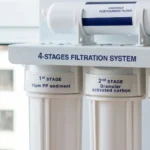
Residents sometimes seek extra protection for their taps, even when municipal checks indicate non-detectable levels of certain chemicals. Some turn to household filtration for added peace of mind. Activated carbon units, UV treatments, and reverse osmosis systems can address a broad range of unwanted substances. This boosts confidence in the water they drink and cook with.
Filtration choices vary, yet each method targets specific concerns. A simple countertop pitcher may remove common impurities, while a whole-house setup can handle larger volumes. Families often consider cost, maintenance, and performance as they weigh filtration options. Untreated water may remain safe based on local reports, but combining municipal safeguards with effective devices can produce an extra layer of assurance.
A thorough approach never neglects official testing. Private add-ons supplement an already robust structure. Many residents feel empowered when they invest in personal systems. They know they have backed up their tap water with consistent, proven technology.
Ways to Get Involved
SCWA welcomes neighborhood feedback and invites locals to join the Long Island Commission for Aquifer Protection’s Our Water Our Lives campaign. This outreach highlights paths for civic action. It encourages volunteer water programs that aim to protect regional aquifers.
Community Engagement
Many residents feel a strong connection to their water supply through direct participation. Some choose to clean nearby streams or organize events that shine a light on local water issues. Others volunteer at educational workshops and rallies to spread knowledge about safe water usage.
- Host fundraisers that support organizations monitoring contamination
- Create school projects on conservation techniques
- Lead neighborhood drives that promote pollution-free practices
Advocacy Platforms
Decision-makers often respond when communities speak with one voice. Public advocacy for water gives residents a chance to shape environmental laws that prioritize clean aquifers. Initiatives like Our Water Our Lives unify diverse efforts. They show that every signature, meeting attendance, and shared idea helps safeguard precious water resources.
Frequently Asked Water Testing Methods
SCWA has been testing for PFAS, a harmful chemical, for over a decade. This proactive approach ensures public health is protected, even before regulations were in place. It provides individuals with critical information about contaminants in their water. The choice of testing method depends on factors like cost, speed, and thoroughness. Each method aims to give people peace of mind.
Professional Testing vs. DIY Kits
Some people opt for DIY water test kits to check for metals or basic pollutants. These kits are affordable and simple to use. On the other hand, professional lab analysis is chosen by those seeking a more detailed assessment. Labs follow strict standards, detecting a wider range of contaminants with higher accuracy.
Understanding Lab Reports
Lab reports detail specific levels of bacteria, chemicals, and trace elements. Grasping these results helps individuals make informed decisions. It might mean upgrading home filtration systems or notifying authorities about high levels of contaminants. This knowledge leads to better choices, ensuring safer water for long-term health.
Moving Forward with Cleaner Water for Suffolk County
Proposition 2 has opened the door to modernizing Suffolk County’s wastewater systems and safeguarding its drinking water. The combination of state and federal funds, along with local activism, is tackling the challenges posed by climate change. Government bodies, nonprofits, and community members are joining forces to ensure long-term water conservation.
They are focusing on upgrading seals around vulnerable pipes and expanding public education campaigns. These steps are critical for protecting coastal and inland areas. The use of advanced filtration technologies and enhanced oversight of emerging threats are part of the strategy.
This collaborative effort, backed by bipartisan support, aims to restore Suffolk County’s shorelines and wildlife. Strong regulations and forward-thinking planning are guiding the county toward a future where beaches remain open, marine habitats thrive, and clean water is always accessible.