The Crystal Clear Rivers of the French Alps
- Published:
- Updated: November 28, 2024
Listen to this article
Summary
Nestled within the French Alps, glacial meltwater gives birth to rivers of remarkable clarity. Here’s a glimpse:
- Glacial origins: Snowmelt from the peaks forms these pristine rivers, filtered through rock sediments.
- Ecological lifelines: Vital for Alpine flora and fauna, sustaining communities and offering recreational opportunities.
- Threats loom: Climate change jeopardizes their purity and biodiversity, urging conservation efforts.

Smack in the middle of the French Alps, its rivers run down from glaciers, which gives them a sublime purity. With snow falling on the summits and melting into ice, this gradually melts in the summer and comes to drink into these rivers. The meltwater of the glaciers is naturally sifted by sedimentary rock and the result is pure waters that sparkle in the Alpine sun.
These glacier-fed rivers are more than just a spectacular sight; they are sources of fresh water. They are a drinker for the Alpine fauna and flora. That combination of beauty and ecological importance underscores the role of the glacial rivers of the French Alps.
An Alpine River Highlight: The Isère River
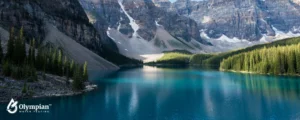
There is only one river that shows off the French Alps more than the Isère. This river cuts through some of the wildest terrain in the area, from the highest mountain to valley. The waters of the Isère are so pure that on a sunny day they match the color of the sky, and give off a surface that resembles a mirror to the surrounding Alpine landscape.
Isère River isn’t just a pretty sight. For many people, it is the very source of drinking, growing and powering water. It’s also a great recreational resource, from fishing to rafting, and it’s a favourite aspect of French Alps life.
The Rhône River: Journey from the Alps to the Sea

There is another important French Alp river: the Rhône. From the Rhône Glacier in Switzerland, this epic river flows through the French Alps and then into the Mediterranean. During the voyage it has this amazing transparency, particularly towards the top of the arc, an ethereal combination of blues and greens.
Although the Rhône is best known as an economic force, because it supplies essential transport and hydroelectricity, it is also ecologically profound. There are many different kinds of animals in the river, and all kinds of plants grow along its banks. All this diversity makes the Rhône a precious habitat and a natural corridor.
Alpine Rivers and Biodiversity
The watery rivers of the French Alps aren’t just gorgeous, they are biodiverse. These rivers have spawning grounds for everything from trout and grayling to mammals like the European otter. The rivers are also inhabited by numerous birds such as kingfishers and herons, which feed on the plentiful food.
Nor is the vegetation around these rivers homogeneous, and riparian forest shelters and feeds wildlife. Not only is this diversity essential for preserving biodiversity, it also helps these rivers appeal. The bird life and plant species in the vicinity of these rivers can be a great way for nature lovers to get some fresh air.
Adventure Opportunities: Rafting and Kayaking in the Alpine Rivers
The clear rivers of the French Alps are not just for admiration from a distance. They invite a closer, more adventurous exploration. Rafting and kayaking are particularly popular, allowing visitors to experience the rivers’ crystal clarity firsthand. Activities such as these offer unforgettable encounters with the region’s waterways.
When venturing onto these rivers, safety should always be a priority. It is recommended to:
- Join a guided tour: Professional guides ensure a safe and enjoyable experience.
- Wear appropriate gear: This includes a lifejacket, helmet, and suitable clothing.
- Respect local regulations and the environment: This helps to preserve the rivers for future generations.
The Threat of Climate Change to Alpine Rivers
Despite their current purity, the rivers of the French Alps face a looming threat: climate change. As global temperatures rise, the glaciers that feed these rivers are melting at an alarming rate. This not only threatens the quantity of water flowing into these rivers but also potentially impacts their clarity. As more meltwater rushes down the mountains, it could carry increased sediment, diminishing the transparency of these rivers.
Furthermore, climate change may affect the rivers’ biodiversity. Changes in water temperature and flow can impact the species that depend on these rivers for their survival. It’s clear that if we want future generations to enjoy the splendor of these rivers, we must address this existential threat urgently.
What are the Conservation Efforts to Protect the Crystal Clear Rivers?
Given the threats facing the Alpine rivers, conservation has become a key priority. Local and national authorities, in conjunction with environmental organizations, are working diligently to protect these vital waterways. Their efforts encompass a range of strategies:
- Strict regulations on industrial activities: This helps prevent pollution from entering these rivers.
- Climate change mitigation efforts: These include reducing greenhouse gas emissions and promoting sustainable practices.
- Initiatives to raise public awareness: Education about the importance of these rivers and the threats they face can inspire the public to participate in their conservation.
How to Visit Responsibly: Sustainable Tourism around the French Alpine Rivers
As visitors, we all have a role to play in conserving the rivers of the French Alps. By practicing responsible tourism, we can enjoy these stunning landscapes while also contributing to their preservation. Here are some tips for sustainable visits:
- Stick to designated paths: This minimizes erosion and disturbance to local wildlife.
- Dispose of waste properly: Always take your trash with you to prevent pollution.
- Respect local regulations: Follow all guidelines related to camping, fishing, and water sports.
Share this on social media:
Facebook
Twitter
LinkedIn

Related Posts