Understanding the Purpose of a Water Meter
A water meter measures the volume of water flowing through household lines, showing how much each faucet and appliance uses. These devices allow for regular water meter readings, revealing sudden changes or hidden leaks. They help families stay within budget and avoid unexpected bill spikes.
Some models have digital displays with symbols that appear when water flows constantly. This alerts users to issues like faulty sprinklers or dripping pipes. Regularly reading the meter encourages mindful water use, reducing monthly costs and raising awareness of daily habits.
“Taking small steps to manage daily water consumption can save thousands of gallons each year,” according to data from the United States Environmental Protection Agency.
Regularly monitoring these measurements promotes consistent water meter reading. It fosters a sense of responsibility, protecting the home and environment. This practice also leads to new conservation tips, benefiting families and communities.
Identifying Common Locations in Residential Homes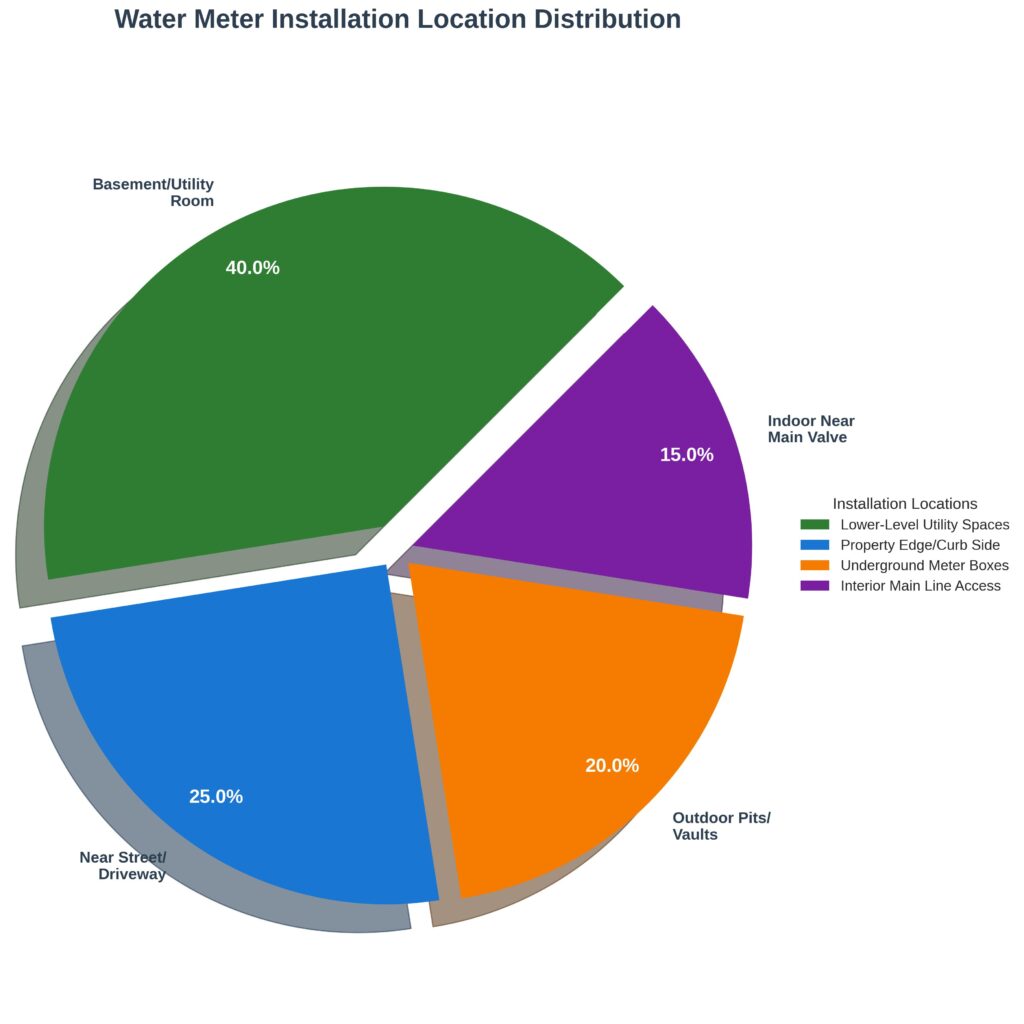
Many homeowners search high and low for the main meter that measures their everyday water usage. It often occupies a hidden spot yet holds a key role in tracking consumption. Knowing a few common places can save time and prevent guesswork.
Basements and Utility Rooms
A basement water meter is a frequent sight in homes with lower-level utility spaces. This unit often sits close to the main valve, making it simpler to shut off water if something goes wrong. Some utility rooms may feature extra insulation around the pipes, which can help prevent freezing.
Near the Street or Driveway
Some properties include a meter at the edge of the yard or next to the driveway. Lids labeled with Water let residents know they have found the right access point. Quick inspections of these covers help catch any damage before it worsens.
Outdoor Pits and Vaults
Certain homes rely on outdoor water meter locations, often in a small pit or vault near the property line. A lid marked with a brand like Sensus is common. Residents check these setups for cracks or rust, ensuring accurate readings, during colder months.
Reading Your Water Meter Step by Step
Glancing at a digital or analog display can quickly show how much water has passed through your pipes. Some meters, like the Sensus model, turn off their screen briefly until the lid is opened. This feature ensures homeowners can read their smart water meter without wasting power.
Understanding the main dial or digital display is key to monitoring water usage. One cubic foot is equivalent to 7.48 gallons, and 100 cubic feet equal 748 gallons. These conversions enable homeowners to track their daily or weekly water consumption accurately. Regularly logging meter readings helps identify any shifts in usage patterns.
- Open the cover on the meter to activate the display.
- Check if the reading is in cubic feet or gallons.
- Multiply cubic feet by 7.48 to find gallons if needed.
- Record each reading to note trends over time.
Troubleshooting Issues with a Water Meter
Unexpected spikes and unusual readings often signal that water meter troubleshooting is necessary. Meters may malfunction if parts become damaged or if continuous flow goes unnoticed. Regular checks and prompt attention help homeowners avoid expensive water bills.
Leaks and Unusual Fluctuations
A rotating dial or digital indicator even when faucets remain off is a clear sign. Many models come with built-in leak detection features, often marked by a small faucet icon or a spinning pointer. Any persistent movement suggests a hidden crack or faulty fixture. Quick action prevents wasted water and protects property from extensive harm.
Addressing High Water Bills
Sizable statements sometimes develop from irrigation systems or aging appliances. A smart approach involves tracking daily or weekly usage and comparing it with previous records. This water meter troubleshooting step highlights erratic jumps that point to hidden leaks or inaccurate recordings. Catching these patterns quickly helps households keep budgets under control.
Possible Issue | Likely Cause | Suggested Action |
Sudden Spike in Reads | Leaking Pipe or Running Toilet | Shut all fixtures, observe meter, call a plumber if movement continues |
Erratic Billing | Faulty Parts or Seasonal Usage | Check and replace worn components, compare usage trends, contact utility if unresolved |
Unresponsive Meter | Battery Failure or Device Damage | Schedule a professional inspection, consider meter replacement |
Ensuring Accurate Meter Readings
Quality water data is essential for managing consumption and costs. Homes in many areas benefit from regular checks, which reveal issues that could inflate bills. This includes routine preventive meter maintenance to prevent breakdowns and ensure long-term accuracy.
Identifying wear and tear early helps fix minor leaks before they increase monthly expenses. Regular meter dial checks also provide peace of mind, critical for households with seasonal temperature changes. For additional support, local utility offices can offer advice or verify meter calibrations as needed.
Seasonal Review and Maintenance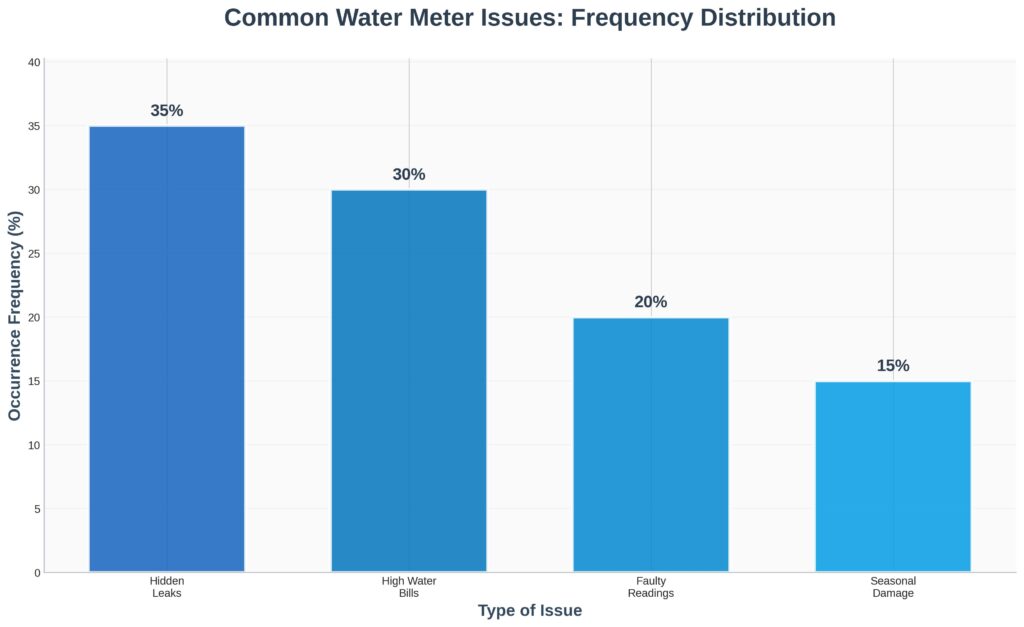
Winter frost can stress outdoor lines, so sealing gaps near the meter is essential. Warmer seasons may reveal slow drips or small cracks, which are simpler to fix when temperatures are mild. A seasonal review, combined with preventive meter maintenance, ensures each reading reflects actual consumption.
Season | Suggested Task | Benefit |
Spring | Inspect connections for cracks | Prevents leaks |
Summer | Secure meter box lid | Keeps debris out |
Fall | Check for loose valves | Ensures stable flow |
Winter | Insulate exposed pipes | Guards against freezing |
Partnering with Local Utility Providers
Property owners often turn to professionals at American Water for effective repairs. Strong utility provider support goes beyond major projects, like installing new valves or shutting off water for large-scale maintenance. Collaborating with these experts ensures accurate readings and uninterrupted service throughout the year.
Moving Forward with Confident Water Monitoring
Regular meter checks offer a clear view of daily water usage for every household. By monitoring monthly consumption, owners can identify patterns and quickly respond to sudden spikes. Even small actions, like tightening a loose fixture, can lead to significant savings and prevent leaks.
Keeping a written log is essential for long-term water management. It highlights consistent trends and possible concerns. A minor change in consumption can indicate hidden plumbing issues. Regular checks help catch problems early, avoiding costly repairs and water waste.
Improving home water efficiency starts with using meter readings to make informed decisions. By scheduling outdoor watering and conducting routine pipe inspections, residents foster a culture of vigilance. This approach not only preserves resources but also controls expenses, instilling confidence in every aspect of the property.
FAQ
Why is it important to know the exact location of my water meter?
Knowing where your water meter is located is key. It’s often found in a basement, a utility closet near the furnace or hot water heater, or in an outdoor pit. This knowledge lets homeowners keep tabs on their water use. It helps detect leaks early and manage their water budget more effectively.
Where can I typically find a smart meter labeled “Sensus” or other digital models?
Smart meters, like those labeled “Sensus,” might be indoors near the main control valve. Or, they could be in a recessed pit at the edge of your property. These meters have a digital display that goes dormant. To reactivate it, you need to open and close it.
How do I detect leaks using a faucet icon or spinning dial on the meter?
Look for the faucet icon or small dial on your meter. If it keeps moving when no water is running, you have a leak. Checking these indicators weekly or monthly helps catch unusual usage changes early.
Should I convert water meter readings from cubic feet to gallons?
Yes, if your billing statement uses gallons. Remember, one cubic foot equals 7.48 gallons. By multiplying the meter’s cubic-feet reading by 7.48, you get the total gallons used. This makes tracking your consumption easier.
How can seasonal maintenance help safeguard my meter?
Insulating pipes and sealing drafts near the meter in winter prevents freezing or bursts. Also, check your outdoor vault or meter box during cold months. This helps prevent damage that could lead to expensive repairs.
Can landscaping or irrigation affect my water usage and bills?
Yes, watering lawns, gardens, and other outdoor areas can cause seasonal spikes in consumption. Keeping an eye on your meter during these high-use periods helps you stay within budget. It also lets you catch any excessive costs early.
When should I contact local utility providers for assistance?
If you face persistent leaks, erratic readings, or need a valve replacement, reach out to utility experts. They ensure your meter works accurately. They can also troubleshoot digital meters or handle major repairs safely.