
Understanding Water Quality Standards in the United States
Clean water regulations protect families across various communities. Federal rules, such as EPA guidelines, dictate the testing and treatment methods for public drinking water. These standards define acceptable contaminant levels, safeguarding both rural and urban areas from distribution system threats.
"Public health protection is the main priority of water regulations, as declared in the Safe Drinking Water Act."
Federal Guidelines for Safe Drinking Water
Federal agencies use science-based research to establish national contaminant level benchmarks. The Safe Drinking Water Act mandates regular assessments by independent labs and utilities. These assessments often stress the need to remove harmful bacteria, pesticides, and other impurities before tap water reaches households.
Role of State Agencies in Monitoring
Local governments collaborate with state experts to tailor these standards to regional needs. Teams within departments like South Dakota’s Department of Agriculture and Natural Resources analyze test results. They address changes in the South Dakota water supply. This multi-level coordination ensures safe and reliable water, supported by clear oversight and public transparency.
Common Sources of Drinking Water in Rural Communities
In many outlying regions of the United States, residents often depend on local wells or smaller municipal networks for their water supply. These local setups can be part of rural water systems that face distinct challenges. Older infrastructure and limited funding are common issues. Wells may draw from groundwater that picks up nitrates and other pollutants, raising questions of safety and reliability.
Farm activities can introduce fertilizer runoff, and insufficient septic solutions may result in bacterial risks. Routine testing is a key practice to identify these hazards. This approach helps communities review their filtration needs and decide if upgrades are necessary. Awareness campaigns guide individuals to better understand how to maintain cleaner sources and guard against contamination.
Property owners frequently collaborate with state agencies to evaluate water quality. This includes new guidelines for well construction or targeted inspections. These shared efforts strengthen rural water systems and foster a healthier environment for everyone.
tap water in south dakota: Key Factors to Consider
Tap water in South Dakota comes from two primary sources. Some areas tap into deep aquifers for groundwater, while others use surface water from rivers or reservoirs. Each source has its own set of benefits and challenges, impacting how we use water every day.
Groundwater vs. Surface Water Sources
Groundwater lies beneath layers of soil and rock. It may contain higher levels of minerals like iron, altering its color or taste slightly. On the other hand, surface water, sourced from rivers like the Missouri, can carry agricultural runoff. This runoff affects the quality of South Dakota’s water. These distinctions underscore the importance of regular water testing.
Infrastructure Challenges and Upgrades
Local utilities invest in upgrading pipes, installing advanced filtration systems, and modernizing distribution methods. Staying on track with South Dakota’s water quality goals is essential for public health. Many towns face the challenge of securing stable funding and planning for these upgrades. Infrastructure improvements are a top priority for public agencies, aiming to ensure water safety and accessibility. This focus is critical for preserving resources for future generations.
Potential Contaminants and Water Treatment Processes
Many communities vigilantly monitor water contaminants to ensure it meets public health standards. Issues arise from older pipes releasing metals and microscopic organisms causing illness. Private wells face unique challenges due to changing ground conditions.
Public supplies employ filtration, chlorination, and other processes to combat various threats. Homeowners seeking enhanced protection turn to reverse osmosis units or ultraviolet purification systems. State agencies provide guidelines to protect residents from unexpected pollutants. A valuable resource is the source water protection program, detailing best practices for clean storage and handling.
Filtering Out Bacteria and Heavy Metals
Water sources may harbor bacteria, lead, copper, or other harmful substances if not treated. Prompt actions, like replacing faulty fixtures or using approved filters, can mitigate these risks. Private wells benefit from annual checks to ensure water remains safe.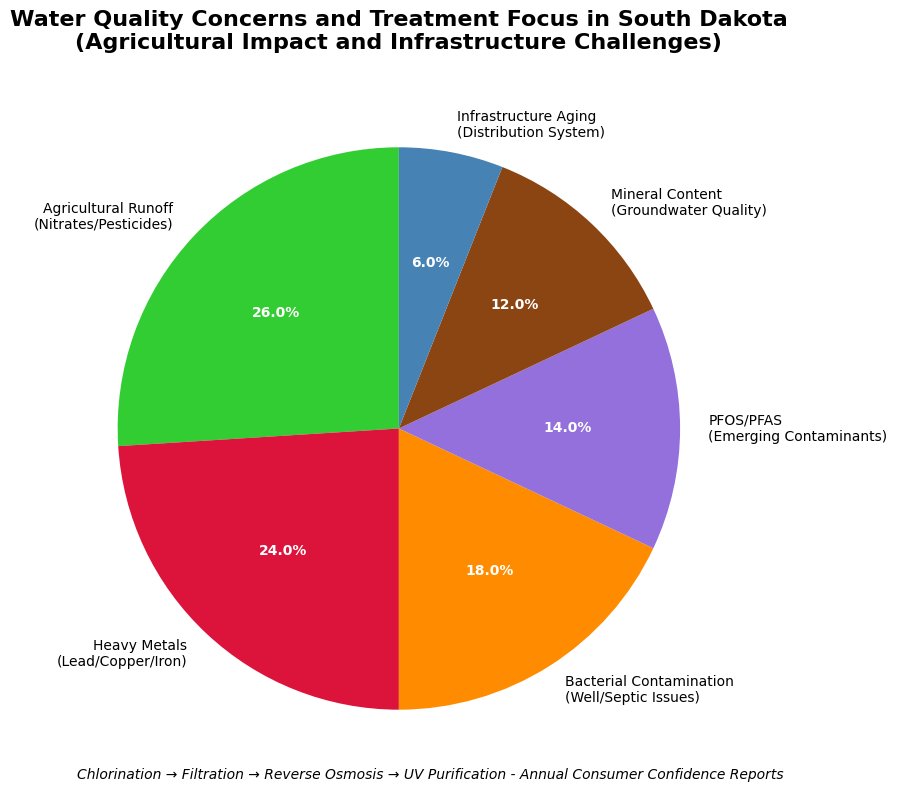
Method | Main Function |
Chlorination | Disinfects and kills most pathogens |
Filtration | Removes sediment and certain metals |
Reverse Osmosis | Strips out dissolved solids for cleaner taste |
UV Purification | Neutralizes bacteria and other microorganisms |
Public Perception and Health Advisories
Public trust in local water supplies often grows when municipal utilities share clear updates. A 2023 survey by the American Water Works Association found that consumers who recalled recent outreach from their water providers were over three times more likely to report an improvement in tap water safety. Such open communication creates a sense of shared responsibility. It encourages people to stay informed through health advisories and annual reports.
Certain groups face greater risks from waterborne contaminants. Individuals with compromised immune systems, pregnant women, and seniors can encounter different challenges when exposed to impurities. Official guidance frequently recommends extra steps like boiling or specialized filtration for these populations. Water quality tests also play a key role in identifying any issues, giving households the data they need to feel confident about their daily choices.
Residents who detect unusual taste, color, or odor can take proactive measures. They can install activated carbon filters or request expert evaluations. Suggestions like these enhance public perception by showing that real solutions are available. Clear and timely information helps communities trust their tap water while staying vigilant about quality changes.
How Farming and Industry Affect Local Water
Activities on a large scale raise concerns about agricultural runoff entering rivers and ponds. Crops, needing fertilizers and chemicals, can harm neighborhoods and wildlife downstream. Modern plants and factories pose a risk to industrial impact on water if waste is not managed properly.
For more information, refer to this guide. Experts recommend adhering to environmental regulations to protect groundwater. These measures safeguard aquatic ecosystems and ensure the safety of local communities.
Preventive Measures by Agricultural Sectors
Farmers employ various strategies to prevent pollution. They focus on maintaining soil nutrient levels and protecting waterways.
- Testing fields for nitrogen levels before applying fertilizer
- Planting cover crops to reduce soil erosion
- Using buffer zones near streams and wells
Balancing Economic Growth with Environmental Safety
Producers and officials collaborate to find sustainable solutions. They use smart technology and regular inspections to promote responsible growth in agriculture and industry.
Pollutant | Common Source |
Nitrates | Fertilizers and livestock operations |
Pesticides | Large-scale crop protection methods |
Tips for Visitors Concerned About Water Safety
Travelers in South Dakota often seek clear guidance on water quality. Many community systems report traces of lead, copper, nitrates, and other substances. Yet, most samples fall within U.S. Environmental Protection Agency thresholds. The Environmental Working Group advocates for more stringent updates, highlighting that some federal standards are decades old.
In Sioux Falls, city officials conduct about 170,000 tests annually to ensure drinking water quality. Recent findings at Mount Rushmore National Memorial showed elevated PFOS levels. This has sparked discussions on treatment options and alternative supplies.
Those visiting rural areas or national parks should check local water advisories before using tap water. Public utilities provide current contaminant levels, aiding in the decision to use extra filtration. It’s essential to explore local updates, as they can impact health.
Choosing Bottled Water vs. Tap
Visitors often question if tap water is safe for their families. In many places, tap water meets or exceeds safety standards. Yet, the choice between bottled water and tap remains personal. Bottled water adheres to strict U.S. Food and Drug Administration rules, and recycling programs aim to reduce plastic waste.
Visitors may compare costs, convenience, and environmental factors of both options. This can help ease concerns about water safety.
- Review city or county water reports before arrival
- Carry a portable water filter for remote locations
- Stay updated on notices posted at campsites and public stations
Sustainable Choices to Protect South Dakota’s Water
Across the state, residents can make a difference by adopting water conservation practices. Simple actions at home are the first steps towards sustainable water use. Taking shorter showers, fixing leaky faucets, and choosing eco-friendly cleaning products are just a few ways to protect our water resources for the future.
Community events, backed by organizations like the Environmental Protection Agency, provide hands-on learning experiences. These workshops offer practical tips for using water more efficiently in both urban and rural areas. The advice gained from these sessions increases awareness and encourages community involvement.
Reducing Household Water Waste
Many homes unknowingly waste gallons of water due to leaks and outdated appliances. A simple inspection can uncover hidden leaks or loose parts. Upgrading to water-saving toilets or showerheads is a straightforward way for families to contribute to water conservation.
Supporting Community Conservation Efforts
Local initiatives often focus on restoring riverbanks or removing debris from waterways. Participating in these projects brings neighbors together. Such collective efforts not only enhance the environment but also foster stronger community bonds among those dedicated to lasting improvements.
Household Tip | Positive Impact |
Repair dripping faucets | Lower monthly bills and prevent water loss |
Install low-flow fixtures | Conserve key resources in daily routines |
Collect rainwater | Reduce reliance on municipal systems |
Staying Informed for a Healthier Future
Residents and visitors benefit from ongoing research about local water sources. New filtration methods and regular testing help protect communities from risks. This practice builds water quality awareness, encouraging individuals to consult reports and seek expert insights when questions arise.
State agencies and volunteer programs often share updated data on emerging pollutants. Their work informs families about treatment upgrades that keep tap water safer. Local newspapers and trusted websites list test results alongside recommendations for low-cost filtration at home.
Annual Consumer Confidence Reports also highlight shifting patterns in contamination. These updates guide people toward better choices, such as replacing old pipelines or supporting repairs that stretch across South Dakota. Staying involved with civic groups keeps the future of water safety in focus.
Shared responsibility sustains the region’s water supply. By staying informed, everyone plays a role in preserving clean sources for generations to come.
FAQ
Is tap water in South Dakota generally safe to drink?
Yes, in most cases. South Dakota’s tap water comes from the Missouri River and underground aquifers. Local utilities follow federal guidelines, ensuring the water is safe.
Which agencies set and monitor water quality standards?
The Environmental Protection Agency (EPA) sets national guidelines. South Dakota’s Department of Agriculture and Natural Resources also plays a role. They conduct tests and publish reports for public review.
What distinguishes rural water sources from urban supplies?
Rural areas often rely on wells or small public systems. These are more prone to contamination. Regular testing and advanced filtration methods are key to safety.
Should residents be concerned about using groundwater versus surface water?
Both can be safe if treated properly. Groundwater may have more minerals, while surface water can be affected by runoff. Utilities use various methods to address these differences.
What are the most common contaminants in South Dakota’s tap water and how are they treated?
Lead, copper, bacteria, and nitrates are monitored closely. Chlorination targets bacteria, while filtration removes metals. Reverse osmosis is used in wells to further purify the water.
How do public advisories and water quality reports help residents?
Utilities release annual reports and advisories when necessary. These inform consumers about contaminants. Staying updated and considering home treatments ensures safe drinking water.
What role do farming and industry play in water quality?
Agriculture and industry can pollute waterways. Regulations aim to limit these impacts. Farmers and industries use best practices to reduce pollution.
Should visitors opt for bottled water or rely on local tap water?
Most tourists find South Dakota’s tap water safe. But, in remote areas or with private wells, bottled water is safer. Checking local reports helps visitors make informed choices.
What can individuals do to protect and conserve South Dakota’s water resources?
Simple actions like fixing leaks and using eco-friendly products help. Supporting watershed protection and recycling programs also makes a difference. These efforts ensure water sustainability for all.
Why is it important to stay informed about water quality changes?
Water quality can change due to infrastructure aging and new technologies. Regularly checking reports and advocating for upgrades is essential. This ensures a safe water supply for everyone.