How to Keep Your Family Safe from High Conductivity in NYC's Tap Water
- Published:
- Updated: January 17, 2025
Listen to this article
Summary
While NYC boasts high-quality tap water, concerns about elevated conductivity have emerged. This can indicate the presence of harmful substances.
- Understanding the cause: Natural sources like minerals and human activities like industrial processes can contribute to high conductivity.
- Potential health risks: High conductivity may signify the presence of contaminants that can impact health, especially for individuals with certain conditions.
- Ensuring safety: Utilize filtration systems, conduct regular testing (both at-home and professional), and stay informed about community efforts to advocate for water quality.

Safe water is a must in any home, especially when we live in big cities such as New York City. Even though it is considered to have some of the country’s best tap water, worries have been expressed about its conductivity. A high conductivity can be indicative of toxins. If you know what these issues are and how to solve them, you can rest assured that your family is getting clean water.
Understanding the Basics: What is Water Conductivity?
Water conductivity is just a description of the conductivity of water to electricity. It tells you how many salts, minerals and other impurities are in the water. The very high conductivity indicates higher concentrations of these dissolved elements, and therefore may not always be suitable for food. For example, excess sodium or chloride might increase conductivity, as well as suggesting that the water isn’t suitable for some ill people.
The conductivity of water can be affected by many things. Minerals extracted from rocks and soil are also natural sources. Yet there are other human activities, such as the industrial processes or road fertilisers and salts that release materials into water and increase its conductivity.
NYC’s Tap Water: Quality and Concerns

New York City has a water system that’s been quality for more than 100 years. From the city’s upstate-reservoirs to its high-tech filters, the city has never lacked for clean tap water. But even the strongest of systems are not immune from problem-solving. The bigger the city, the bigger the sources of pollution, from industrial effluent to degraded infrastructure.
The high conductivity issue is not just about the numbers, it’s about the bigger picture. Increases in conductivity might indicate an increase in pollutants, either from nature or human caused. For example, more cities means more road salts, and those salts can seep into the water supply. Such shifts require re-examination and constant monitoring of water treatment systems.
Why High Conductivity Matters: Health and Safety Implications
And when we talk about keeping track of water conductivity, we should always be thinking about health effects. The higher conductivity could mean harmful compounds are present. If you drink water that contains too many minerals or contaminants, it will be unhealthy. For instance, water that is high in sodium is bad for people who have hypertension or heart disease.
More generally, high conductivity can influence more than immediate consumption. Think of the water you use for cooking or making tea and coffee. Conductivity-affecting contaminants can change these drinks and foods in terms of flavor and safety. What’s more, some contaminants have chronic health effects when eaten regularly over time.
Unmasking the Culprits: Sources of High Conductivity in Tap Water
To address the issue effectively, it’s essential to understand the root causes. Let’s explore the primary sources of high conductivity:
- Natural Sources: Waters can naturally pick up minerals like calcium, magnesium, and potassium as they flow over rocks and soils. While these are often harmless, they can increase conductivity.
- Human Contributions: This category is more diverse and can range from industrial effluents to agricultural runoff. Think of a factory releasing treated waste water or a farm using fertilizers that eventually seep into groundwater.
While the natural sources are relatively constant, human-contributed sources can fluctuate based on seasons, industrial activities, and urban growth. It’s a dynamic challenge, making it imperative for regular monitoring and adjustments in water treatment processes.
The NYC Water Supply System: A Glimpse
New York City’s water supply system is a marvel of engineering, spanning several reservoirs and hundreds of miles of aqueducts. The city primarily draws its water from three upstate watersheds—the Croton, Catskill, and Delaware systems. This water travels through aqueducts, undergoing treatment, before reaching millions of city residents.
However, as magnificent as this system is, it’s not impervious to the challenges of time and human activity. Aging infrastructure, coupled with increasing demands from a growing population, means that the city continually needs to upgrade and maintain this vast network. Any lapses can have implications on water quality, including its conductivity.
Decoding the Safe Levels: Standards and Recommendations
For any health parameter, it’s vital to know the benchmark against which it’s measured. In the realm of water conductivity, there are federal and state standards that define what’s considered safe. The Environmental Protection Agency (EPA), for example, sets guidelines on the levels of certain minerals and contaminants in drinking water. Monitoring these standards ensures that the water consumed by the public meets safety requirements and is free from harmful substances. In New York City, drinking water quality in NYC is rigorously tested to maintain the highest levels of safety for its residents. By adhering to these established benchmarks, public health officials can effectively safeguard community health and ensure the water supply remains accessible and safe for all.
NYC’s water department also has its rigorous testing and standards, ensuring that the city’s tap water not only meets but often exceeds federal guidelines. It’s a testament to the city’s commitment to public health. Still, as residents, it’s good practice to stay informed about these standards and occasionally test your tap water, especially if you notice any changes in taste or appearance. Additionally, there are various resources available for residents to learn more about tap water safety in New York, including community workshops and online information portals dedicated to educating the public on this vital topic. Being proactive in understanding the quality of your water can help mitigate any potential health risks, especially for vulnerable populations such as children and the elderly. By staying engaged and informed, residents can contribute to a healthier and safer community overall.
Simple At-Home Tests for Detecting High Conductivity
Thankfully, you don’t always need sophisticated equipment to get an initial sense of your water’s conductivity. Several DIY tests are available, ranging from simple test strips to digital meters. These tools can give you a quick read on your water’s mineral content.
Here’s how you can do a basic check:
- Purchase a water conductivity test kit or meter from a reputable source.
- Follow the manufacturer’s instructions carefully, usually involving drawing a water sample and introducing a test strip or probe.
- Compare your readings against recommended levels.
Remember, while these tests can provide immediate feedback, they may not capture every nuance. If you have concerns, consider a professional water analysis for a more comprehensive view.
Steps to Shield Your Household: Effective Remedies
Given the concerns about high conductivity, how can you ensure the water your family consumes is safe? The first line of defense is a good filtration system. Options range from simple pitcher filters to more advanced reverse osmosis units, which can effectively reduce a host of contaminants.
Periodic professional testing is also beneficial. While at-home tests give you quick feedback, a detailed analysis from a certified water testing laboratory can identify a broader range of substances. Based on the results, you might adjust your filtration system or take other preventive measures.
Alternative Water Sources: Bottled vs. Filtered
The debate between bottled water and filtered tap water has persisted for years. Bottled water is convenient and, in many cases, offers a different taste profile due to its source or treatment. However, there are downsides:
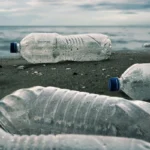
- Environmental impact: The production and disposal of plastic bottles contribute significantly to pollution and waste.
- Cost: Over time, relying solely on bottled water can be more expensive than investing in a good filtration system for tap water.
Filtered tap water, on the other hand, provides control over quality and taste, often at a lower long-term cost. Plus, by using reusable bottles, you can enjoy the convenience of bottled water without the environmental drawbacks.
Empowering the Community: Advocacy and Change
Water is not a private concern: it’s a public one. And if you are educated and prepared, you can join or start the conversation on water quality in NYC. There are lots of local groups who promote the environment, and you can speak out on those as well.
Working with local departments and officials can also be helpful. And communities can make more transparent tracking, quicker fix times, and in general, a commitment to continue to make NYC’s tap water the best in the country, by enacting collective action.
Share this on social media:
Facebook
Twitter
LinkedIn
Next Article:

Related Posts