Overview of Idaho’s Drinking Water
Idaho boasts a diverse array of drinking water sources, from deep aquifers to mountain streams. A significant portion of the state depends on private wells, which are not regulated by the state. This means homeowners are solely responsible for testing and maintaining these wells. Fortunately, some resources provide interactive maps to help well owners understand water quality conditions.
Public water systems, on the other hand, adhere to strict guidelines for treatment and monitoring. Those who rely on public water supplies in Idaho benefit from rigorous oversight and state-of-the-art filtration. The local geology can impart unique mineral profiles to the water, affecting its taste. These systems employ advanced technologies to keep contaminants at safe levels.
Seasonal changes can impact water quality in some areas. Idaho’s groundwater is generally pristine, thanks to natural filtration and minimal industrial runoff. Most residents enjoy access to safe drinking water. Yet, regular testing is essential to maintain this quality. Temperature fluctuations or flooding can alter the taste or clarity of water in specific regions.
| Source Type | Characteristics | Responsibility |
| Private Wells | Unregulated, homeowner-managed | Individual testing |
| Public Supply | Federally monitored | Municipal oversight |
| Surface Water | Seasonally variable | Local treatment |
Common Drinking Water Sources in the Gem State
Groundwater is a key source in many Idaho areas, feeding both growing cities and small towns. Idaho’s aquifers are vital for a wide range of daily needs. Yet, private wells are the mainstay for rural water supply. Well owners have the freedom to choose when to test their water, making regular testing essential for safety.
Some areas face higher contamination risks, but these are rare and usually isolated. This highlights the importance of testing private wells to ensure safe drinking water in remote regions.
“Testing private wells is critical to ensure safe water in remote regions.” — Idaho Department of Environmental Quality
The geology and water resources in Idaho vary greatly, from fertile riverbanks to arid basins. This affects water purity, as groundwater can absorb minerals from rock layers or industrial waste. Agricultural irrigation also impacts well water chemistry. Despite these factors, Idaho’s water quality remains strong, thanks to regular testing and responsible water management.
Key Regulations and Standards
In Idaho, water safety is governed by a mix of national and state regulations. Public water systems must meet strict standards to protect the health of communities.
Federal Guidelines for Safe Drinking Water
The Safe Drinking Water Act sets national limits for about 90 contaminants. EPA standards in Idaho cover a wide range of harmful substances. This includes chemicals, biological agents, and radiation. Water providers must constantly monitor their supplies to comply with these rules.
State-Level Enforcement in Idaho
The Idaho Department of Environmental Quality (DEQ) enforces water quality rules through regular checks and tests. This agency makes sure public water systems follow federal guidelines. This effort ensures clean drinking water for all Idaho residents. Private wells, though, are not under the same scrutiny, yet many owners test their water regularly for peace of mind.
| Regulatory Authority | Oversight Focus | Applications |
| EPA | Contaminant Levels | Public Systems Nationwide |
| Idaho DEQ | Local Monitoring | Statewide Enforcement |
Testing Methods and Quality Indicators
Idaho water testing is vital for ensuring the safety of your water supply. Public utilities conduct regular checks, but private well tests offer additional peace of mind. Certified labs can identify common contaminants like bacteria, arsenic, and nitrate.
Experts recommend annual or biennial visits to trusted facilities for testing. Regular screenings help uncover hidden issues, providing insights into water quality. Even small amounts of certain minerals can affect taste or appearance, though they might not be harmful.
- Arsenic checks reveal heavy metal concentrations
- Bacterial testing uncovers harmful organisms
- Nitrate assessments highlight levels that can affect infants
For more information, residents can refer to this publication on sampling schedules. A consistent approach helps address problems early. Understanding water quality indicators is essential for making informed decisions about filtration or infrastructure upgrades.
Why tap water in idaho is generally considered safe
Many residents in Idaho rely on municipal water from protected groundwater sources. These sources are under strict oversight, ensuring quality. The presence of minerals does not signify water safety issues. State agencies continuously monitor water quality.
Local systems employ Idaho water treatment methods, including chlorination, filtration, and advanced disinfection. Cities like Boise and Idaho Falls regularly sample water. They meet Environmental Protection Agency guidelines, reducing risks from microbes or metals.
Water Treatment Practices Across Cities
Treatment facilities in Idaho monitor pH levels and address contaminants before distribution. They publish annual Water Quality Reports. This transparency builds trust and prevents unnoticed issues.
Protecting Public Health Through Ongoing Monitoring
Local health boards collaborate with state and federal agencies to prioritize public health. Continuous sampling and transparent reporting minimize contamination risks. Residents feel secure, knowing experts are vigilant and responsive to hazards.
Possible Contaminants and How to Spot Them
Idaho’s wells, left untested, can harbor various contaminants. While municipal water systems meet safety standards, private wells may not. Spotting early warning signs in drinking water is vital for family health.
Natural Minerals and Chemicals
Arsenic and nitrate levels can rise in groundwater, posing risks. Agricultural runoff can increase nitrate levels, harmful to infants. Manganese, affecting taste and sink color, requires prompt attention. Regular testing is essential to address water quality issues in Idaho.
Identifying Unusual Taste or Odor
Notice any changes in taste or smell, like a metallic taste or musty smell. Such changes could indicate hidden problems. Sediment or a brownish tint may suggest corrosion. Quick inspections are necessary to address these issues.
| Contaminant | Likely Source | Warning Sign |
| Arsenic | Natural Rock and Soil | Skin Irritation, Bitter Taste |
| Nitrates | Agricultural Runoff | Infant Health Risk |
| Fluoride | Geologic Deposits | Tooth Discoloration |
| Microorganisms | Surface Water Infiltration | Stomach Illness |
Sustainable Water Use and Conservation Tips
Across Idaho, residents are making a difference by adopting eco-friendly water choices. Simple actions like fixing leaks or installing water-saving fixtures can significantly cut down on waste. This not only helps preserve local resources but also ensures that every drop is used wisely.
Idaho water conservation is also vital for those relying on private wells. Proper care for well integrity is essential to prevent contamination and maintain a steady water supply. Regular maintenance of the wellhead, inspections of irrigation valves, and careful use of fertilizers help avoid harmful runoff that could pollute rivers or streams.
Adopting sustainable water practices involves aligning irrigation schedules with actual rainfall. Using rain barrels to collect water for landscaping is another effective strategy. By synchronizing daily activities with natural cycles, we can help keep aquifers abundant for generations to come.
| Method | Benefit |
| Routine Wellhead Checks | Ensures water quality and prevents contamination |
| Leak Repairs | Conserves water and cuts utility costs |
| Rain Barrel Collection | Offers a natural reservoir for outdoor uses |
Bottled Water vs. Tap Options
In Idaho, bottled water has sparked debate, mainly due to taste and brand loyalty. Some argue that sealed containers guarantee purity, yet trace contaminants can sneak in. On the other hand, tap water is tested regularly, making it a viable alternative.
When evaluating tap and bottled water, daily habits play a significant role. Tap water is significantly cheaper, while premium brands like Dasani or Evian come at a higher cost. Ultimately, the choice depends on individual needs and preferences.
Comparing Cost and Convenience
Carrying bottled water on trips seems convenient, but it contributes to plastic waste. Tap water, available at home or public places, is more economical. Using reusable containers for water can balance convenience with cost savings, appealing to those watching their budget.
Environmental Implications
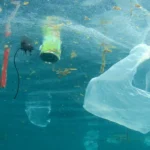
Discarded plastic poses a significant threat to the environment. Recycling efforts are often overwhelmed, leading to environmental degradation. Adopting reusable containers reduces plastic waste and supports Idaho’s sustainability goals.
How Seasonal Changes Affect Water Taste and Quality
Idaho’s seasonal water changes can alter clarity and introduce slight flavor variations. Spring melt in mountainous regions often introduces more sediment into reservoirs. For instance, Grand Canyon National Park experiences increased turbidity due to snowmelt, which can hinder some disinfection methods.
In farm areas, planting season runoff carries nutrient-rich fertilizer droplets into waterways. This leads to changes in water taste and necessitates enhanced monitoring. Warmer weather can disrupt reservoir balance and oxygen levels, affecting flavor. On the other hand, colder months bring water that many find fresher due to reduced bacterial growth.
Experts and local officials advocate for proactive testing during significant weather shifts. This strategy helps address possible changes early and ensures public confidence in water safety throughout the year. Community awareness of climate’s impact on water fosters better conservation and peace of mind.
| Season | Potential Taste Change | Water Quality Priority |
| Spring | Extra sediment, earthy notes | Increased turbidity checks |
| Summer | Slightly stronger taste | Reservoir oxygen monitoring |
| Fall | Mild flavor shifts | Nutrient runoff limits |
| Winter | Fresher, colder profile | Reduced bacterial growth |
Technological Advances in Idaho’s Water Systems
State officials are embracing advanced filtration tools to safeguard water supplies. Municipalities rely on real-time tracking devices that check contamination levels at key points. Recent research has identified emerging contaminants that require prompt action. Real-time sampling tools verify each filtration step to address these concerns. This data-driven approach ensures that modern water systems in Idaho can detect threats quickly.
Water Infrastructure Upgrades
Newer pipelines and sensors are part of ongoing Idaho water infrastructure enhancements. Machine learning models help forecast peak usage and allocate resources where needed. Officials share findings with the public to encourage transparent water standards and maintain trust.
Future-Proofing Supply
Expansion projects meet growing demand while advanced water treatment upgrades address evolving standards. Improved capacity helps communities adapt to shifts in climate patterns and keep pace with new contaminant alerts. Researchers also anticipate progress in reuse programs that capture and recycle water efficiently. Planners continue to anticipate future needs and maintain safety throughout the water cycle.
Advice for Tourists and New Residents
Before venturing into Idaho, many prioritize tourist water safety. The Idaho Department of Environmental Quality’s online resources are a great starting point. They provide updates and insights through Consumer Confidence Reports, shedding light on Idaho water facts. These reports can alleviate concerns. For those who prefer a certain taste, bottled water is an option. Yet, many find that municipal water supplies meet or exceed national standards.
Tourist water safety is essential for those eager to dive into local activities. Families moving to Idaho discover that relocating to Idaho water tips are invaluable. They offer practical advice on understanding local water conditions. Homeowners with private wells are advised to have their water evaluated upon arrival and to test it regularly. This ensures health and comfort, supported by dedicated public health districts and transparent data.
Idaho water facts show the extensive efforts to maintain quality in both urban and rural areas. Relocating to Idaho water tips often include reading public advisories and using proper filtration systems. These steps are key to a safe and enjoyable experience.
| Action | Benefit |
| Review Local Reports | Stay informed about water composition trends |
| Consult Public Health Districts | Gain direct guidance for specific areas |
| Test Private Wells | Monitor quality and prevent possible issues |
| Consider Bottled Options | Address personal taste preferences while traveling |
Final Thoughts on Drinking Water in Idaho
Many communities in Idaho take meticulous steps to ensure water quality meets health standards. Wells on private property, not subject to citywide testing, require special attention. Regular checks and basic filtration systems help protect homes from contaminants.
Staying informed about local water conditions is essential. Visitors and residents should review official guidance before any problems arise. Every effort to conserve water is vital for a sustainable future. By staying vigilant and relying on accurate data, we can maintain reliable water systems for future generations.
FAQ
Is Idaho’s tap water considered safe to drink?
Idaho’s Department of Environmental Quality (DEQ) and federal guidelines ensure most municipal water systems are safe. Private wells, not regulated, require regular testing to ensure safety.
Why does tap water taste different depending on location?
Taste variations come from Idaho’s geology and mineral content. Local rock formations, agricultural runoff, and seasonal changes impact taste and smell.
Which contaminants should Idaho residents watch for?
Arsenic, nitrates, and heavy metals are key concerns. Municipal systems test regularly to meet EPA standards. Private well owners should test their water to detect contamination early.
Where does Idaho’s drinking water come from?
Groundwater aquifers are the main source for most of Idaho. Some areas use surface water like rivers and lakes. Rural homes often rely on private wells, which need regular testing and maintenance.
How are public water systems regulated in Idaho?
Idaho DEQ follows EPA regulations for 90 pollutants. Public utilities must test regularly and publish Water Quality Reports. Private wells, not regulated, follow state and federal health guidelines for testing.
What treatment methods do cities commonly use?
Idaho cities use chlorination, filtration, and advanced processes for water safety. They also monitor water regularly to manage risks and contaminants.
Are there recommended steps for private well testing?
Private well owners should test for bacteria, nitrates, arsenic, and heavy metals. Use certified labs or NSF International-recognized facilities. Testing annually or biennially, along with wellhead inspections, is advised.
How do seasonal changes affect water quality in Idaho?
Snowmelt, rainfall, and agriculture can change contaminant levels. Spring runoff increases sediment, while summer heat alters reservoir conditions. Testing water after seasonal changes helps detect issues early.
Is bottled water safer than tap water in Idaho?
Tap water is closely monitored and often meets federal standards. Bottled water, while convenient, comes in single-use plastic. Both can contain minerals, making the choice a personal one.
How can residents practice water conservation?
Fixing leaks, using water-efficient fixtures, and adjusting irrigation can reduce waste. Keeping pollutants away from wells and water sources helps maintain quality. Conservation protects Idaho’s water resources for the future.