
Tiny but Toxic: The Hidden Dangers of Microplastics in Drinking Water
- Published:
- Updated: January 16, 2025
Listen to this article
Summary
Microplastics, minuscule plastic particles, infiltrate drinking water, posing hidden dangers. Understanding their sources, health impacts, and regulatory challenges is vital for minimizing exposure and safeguarding human health and the environment. Researchers are continually striving to unearth the myriad ways in which these toxins enter our water systems, from industrial runoff to the breakdown of larger plastic debris. As public concern grows, an essential question arises: what are microplastics in water? Addressing this issue not only requires increased awareness but also a collaborative effort among governments, industries, and communities to implement effective policies and innovative solutions to reduce these hazardous pollutants.
- Sources of microplastics include personal care products, synthetic clothing fibers, industrial processes, packaging, and natural sources.
- Health impacts are still being researched, but concerns include toxic chemical leaching and ingestion by marine life, potentially entering the food chain.
- Governments, international organizations, and individuals must take action to regulate, reduce, and mitigate microplastic contamination in drinking water.

Microplastics are tiny plastic particles found everywhere and they’re dangerous to human health. So tiny, in fact, that they can bypass filtration and make their way into our tap water. Although we don’t yet know how our health will be affected by our use of microplastics, we do know that these can be high in chemicals that can exacerbate many health issues. We need to be cognizant of the microplastics in our water and ensure we avoid them.
The sources of Microplastics in drinking water
Drinking water is full of microplastics from several sources, some of which are:
Personal care products: Microbeads, which are tiny plastic particles, are found in the toothpaste, face wash, and exfoliating scrubs. Such microbeads can enter systems, and eventually get into water supply.
Fibers of clothes: Synthetic clothes like polyester and nylon can leak small plastic fibres during washing and can also get into the water pipes and into the drinking water.
Microplastics from industrial processes: Microplastics are also produced by industrial processes such as the decomposition of large plastics, and the discharge of wastewater from plastic processing plants.
Packaging and single-use plastics: Plastic packaging and single-use plastics like water bottles, straws, grocery bags can dissolve into finer particles and leach into the water supply, which is how microplastics end up in the drinking water.
Nature: Microplastics are also created through the disintegration of larger plastic litter which has been left out in the wrong bin, or from the degradation of plastic trash in the natural environment.
We’re not talking about microplastics in water, of course, and microplastics in water can come from anywhere.
The health impacts of Microplastics on humans and the environment
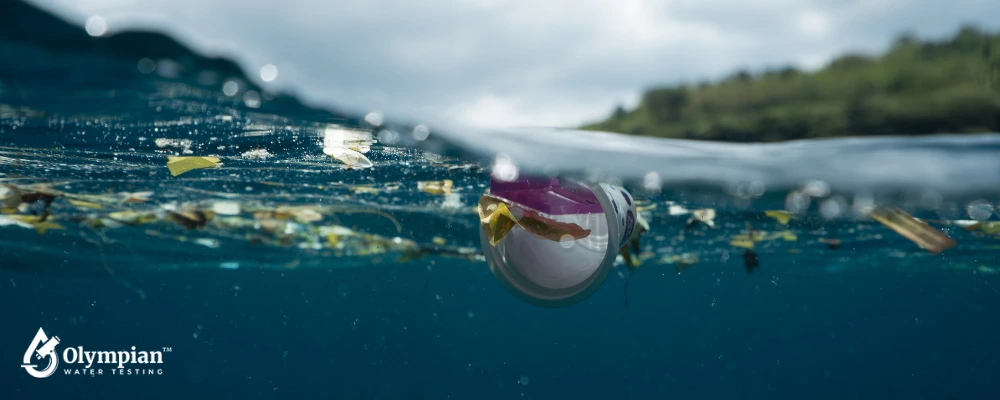
The human and environmental health consequences of microplastics are far from clear. But now we fear that these particles leak dangerous chemicals and pollutants, which will corrode our bodies. Moreover, microplastics will accumulate toxins in the water and might even spread them to the lifeforms who consume them. This is especially bad news for marine animals and the food web, where microplastics could lodge in the tissue of these creatures and enter our food supply.
Microplastics in bottled water: is it safe to drink?
Bottled water, too, is a known source of microplastics, which make it hard to trust the beverage we regularly drink. Among the samples tested in bottled water, 93% had microplastics, according to a recent study. This is especially bad since you use bottled water at higher doses and you are actually being exposed to more microplastics.
The role of governments and international organizations in regulating Microplastics in drinking water
Governments and international institutions in monitoring Microplastics in water Pollution of water from sewage Disinfections of drinking water Regulations of Microplastics in drinking water Regulations of Microplastics in drinking water Regulations of Microplastics in drinking water Regulations of Microplastics in drinking water Control Regulations of Microplastics in Drinking Water Regulations of microplastics in drinking water Regulations of Microplastics in drinking water Regulations of Microplastics in drinking water regulation Regulations of Microplastics in drinking water Regulations of governments and international organisations
Simple steps for reducing Microplastics in drinking water at home
Here are some simple steps you can take to reduce microplastics in drinking water at home:
- Reduce single-use plastic: Minimize the use of single-use plastic items such as water bottles, straws, and plastic bags. Consider using reusable containers and bags instead.
- Filter your water: Install a water filtration system in your home that is designed to remove microplastics. Some filtration systems use activated carbon, which can effectively remove microplastics from water.
- Avoid personal care products with microbeads: Read the labels on personal care products and avoid those that contain microbeads. Instead, opt for products made with natural exfoliants such as sea salt or sugar.
- Wash synthetic clothing less frequently: Synthetic clothing releases plastic fibers when washed, so try to wash these clothes less frequently or use a special bag to capture any fibers that are released during washing.
- Support plastic pollution prevention initiatives: Support organizations and initiatives working to prevent plastic pollution, and advocate for more effective waste management practices in your community.
By taking these steps, you can help reduce the amount of microplastics in your drinking water and contribute to the larger effort to address plastic pollution.
The future of Microplastics in drinking water: what needs to be done to prevent further contamination?
Whether or not microplastics will be recycled into drinking water is anyone’s guess, but we do know that they must be cleaned up. Copper testing in school water is very useful for finding out if school water contains microplastics in the water and taking preventative action to deal with it. Making the public more aware is a must, as it helps build an atmosphere of urgency and mobilise people to work on the problem of microplastic contamination. It also calls for research to determine microplastics’ health effects, and develop mitigation approaches. Reducing microplastic pollution would also include regulations limiting the use of microbeads in personal care products. Authorities should also invest in wastewater treatment systems, with microplastics filtering out. Promotion of the research and use of alternative materials that can substitute plastic is an important part of lowering plastic use. People can help by being sustainable in their consumption — that is, by not using so much plastic, recycling all plastics properly, and choosing to do so in a sustainable manner. We can all do our part to end the microplastics in drinking water and make a better future where the contamination is less and the environment is healthier.
The impact of Microplastics on marine life and the food chain
The effect of microplastics on marine organisms and the food chain is on the rise. The microplastics are swallowed by marine animals, where they can be physically toxic and even transfer toxins to the animal’s tissue. This can extend down the food chain and even contaminate what we eat. Governments and international agencies must work towards regulation and research as well as for sustainable behaviour that can diminish the volume of plastic waste resulting into the ocean.
Emerging Technologies to Combat Microplastics
There are some new technologies being created to solve the microplastics in drinking water issue. Modern filtration systems like nanofiltration and membrane bioreactors are capable of capturing microplastics. There is also the research on biodegradable materials, with which traditional plastics can be replaced and thus, the amount of microplastic in the environment will be reduced.
Conclusion: Addressing the Hidden Dangers of Microplastics in Drinking Water
There’s a huge, unacknowledged environmental and health risk with microplastics. They are everywhere, in our water supply, and demand that governments, international institutions and people do everything they can to tackle them. We can control microplastics and deliver cleaner water to future generations by adopting tighter regulations, better wastewater treatment and sustainable management.
Share this on social media:
Facebook
Twitter
LinkedIn

Related Posts