
The Concept of Water Expiration: Does Water Really Go Bad?
The notion of water expiration has long been a subject of confusion and concern. Many believe water can spoil or go bad, but pure water itself does not expire. Yet, water quality can deteriorate over time due to various factors, leading to water spoilage myths.
Debunking the Myth of Water Spoilage
Water is unique in that it does not spoil like food or other beverages. Unopened bottled water can last indefinitely if stored correctly, despite the presence of an expiration date. These dates are more about the bottle’s degradation than the water’s. The expiration date on bottled water is a quality measure, ensuring optimal taste, not safety.
Pure water does not expire, but its container can impact its quality. Heat and sunlight can cause chemicals like Bisphenol A (BPA) and phthalates to leach into the water. This can affect the water’s taste and safety, even after the labeled expiration date.
Factors That Affect Water Quality Over Time
Several factors can lead to water quality deterioration over time, even if the water itself does not expire:
- Packaging materials: Chemicals from plastic bottles can leach into the water, accelerated by heat or sunlight.
- Storage conditions: Improper storage, such as high temperatures or direct sunlight, can speed up chemical leaching and impact water quality.
- Exposure to contaminants: If water is not stored in a sealed container or is exposed to external contaminants, it can become unsafe to drink.
To ensure expired water safety, it’s recommended to consume bottled water within two years of the manufacturing date, stored in a cool, dark place. If you notice any unusual odors or flavors, discard the water. For emergency water supplies, FEMA suggests rotating stock every six months to a year to maintain freshness.
Understanding the factors affecting water quality and proper storage can ensure access to safe, fresh drinking water when needed.
Bottled Water: Packaging, Storage, and Shelf Life
Ensuring the quality and safety of your drinking water requires understanding bottled water packaging, proper water storage, and bottled water shelf life. We will explore the factors affecting bottled water’s longevity and integrity. This knowledge empowers you to make informed choices about your hydration.
Types of Bottled Water Packaging Materials
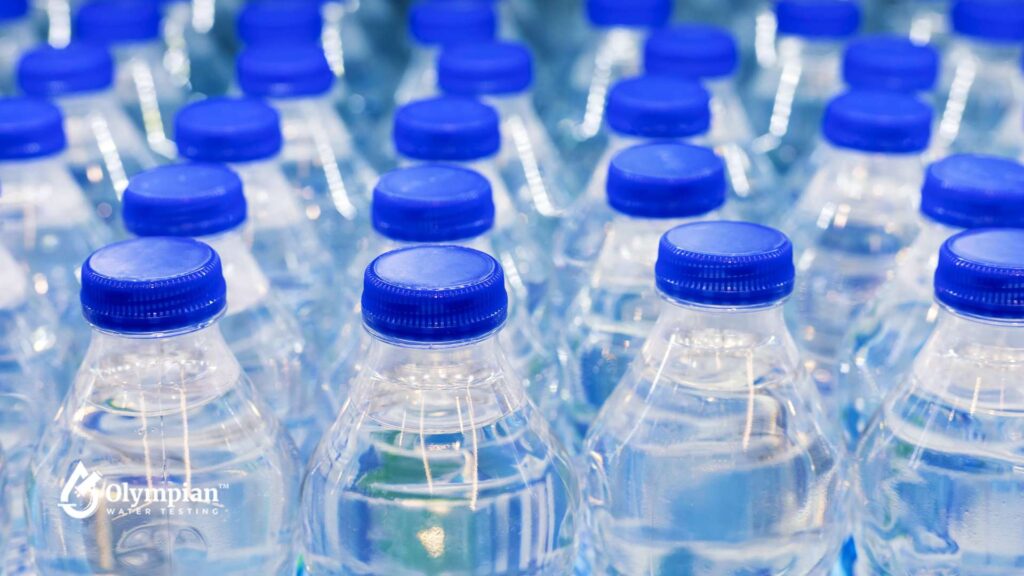
Bottled water is packaged in various materials, each with its own benefits and drawbacks. The most common include:
- Plastic bottles (PET, HDPE)
- Glass bottles
- Aluminum cans
- Cartons (e.g., Tetra Pak)
Plastic bottles are lightweight and convenient but raise concerns about chemical leaching and environmental impact. Glass bottles and aluminum cans are more inert and recyclable. Cartons offer an eco-friendly and shelf-stable option.
Proper Storage Conditions for Bottled Water
Proper water storage is vital for maintaining bottled water quality and safety. The CDC advises storing water in a cool place, between 50 and 70 degrees Fahrenheit, to extend its shelf life. It’s also important to keep it away from direct sunlight and toxic substances to prevent contamination.
The U.S. government states that bottled water can last indefinitely when stored correctly. Yet, chemical leaching from packaging can start within three to six months, depending on the material and storage conditions.
Understanding Expiration Dates on Bottled Water
Bottled water doesn’t technically expire, but manufacturers include "best by" or expiration dates. These dates indicate the risk of chemical leaching from packaging, not water degradation. The FDA requires food labeling to include expiration or "best before" dates for consumer safety and quality information.
Generally, bottled water lasts 2 to 3 years at room temperature. The CDC suggests replacing stored water every six months for freshness and taste. By understanding bottled water shelf life and following proper storage guidelines, you can keep your emergency water supply safe and reliable.
The Role of Plastic in Bottled Water Longevity
Plastic packaging is vital for the shelf life and safety of bottled water. Most manufacturers print an expiration date, usually two years from bottling. Yet, unopened bottled water can last up to five years if stored correctly. This is due to the optimal conditions required for preservation.
The longevity and safety of bottled water depend on the plastic type. Polyethylene terephthalate (PET) is common but can leach chemicals like antimony and phthalates. This risk increases with high temperatures or direct sunlight exposure.
Potential Leaching of Chemicals from Plastic Bottles
The leaching of chemicals from plastic water bottles is a significant concern. While levels are generally safe, prolonged exposure and improper storage can elevate risks. Several factors influence chemical leaching:
- Type and quality of plastic used in the bottle
- Exposure to high temperatures and direct sunlight
- Length of time the water is stored in the bottle
- Acidity of the water itself
| Plastic Type | Leaching Potentia | Recommended Storage |
|---|---|---|
| PET (Polyethylene Terephthalate) | Moderate | Cool, dark place |
| HDPE (High-Density Polyethylene) | Low | Cool, dark place |
| Polycarbonate (contains BPA) | High | Avoid using for water storage |
BPA-Free Bottles and Their Impact on Water Quality
Many bottled water manufacturers now use BPA-free bottled water due to health concerns. These bottles are made from safer plastics like PET or HDPE, which do not contain BPA.
While BPA-free bottles reduce leaching risks, they are not completely safe. Proper storage and handling are key to maintaining water quality. Always check for damage or degradation in the bottle. Discard water that appears cloudy, has an off-smell, or tastes stale.
Shelf Life of Unopened Bottled Water
Many people rely on unopened bottled water for emergencies or long-term use. But, how long does it last, and how can you keep it safe? We’ll look into the shelf life of unopened bottled water and the best ways for ideal water storage.
Properly stored, unopened bottled water can last for years. Its shelf life varies based on the water type, packaging, and storage conditions. For instance, distilled water, purified to remove 99.9% of contaminants, can last at least five years if unopened and stored correctly.
Ideal Storage Conditions for Unopened Bottles
To keep your unopened bottled water safe and quality, proper storage is key. Here are some tips for ideal water storage:
- Store bottles in a cool, dry place, away from sunlight and heat.
- Don’t keep water near chemicals, as they can leach into the water through plastic.
- Make sure the storage area is pest-free to avoid damage to bottles and water safety.
Extending the Shelf Life of Unopened Bottled Water
There are ways to make your unopened bottled water last longer:
- Choose water in high-quality, durable materials like glass or BPA-free plastic.
- Opt for water with a higher pH level, which may resist bacterial growth better.
- Store water in larger containers, as they have less surface area relative to volume, slowing down chemical leaching and evaporation.
By adhering to these guidelines and best practices for extending water shelf life, you can keep your unopened bottled water safe and fresh for emergencies.

Does Water Expire Once the Bottle Is Opened?
Sealed bottled water can last indefinitely, but once opened, it faces new challenges. Opened bottled water is exposed to contamination and may develop an unpleasant taste or smell within days. Most brands suggest drinking it within two days to avoid water contamination risks.
A study revealed that antimony levels in bottled water can rise significantly. At room temperature (77°F), antimony levels almost doubled compared to cooler temperatures (39°F). Extreme heat, like inside a hot car (158°F), causes a 319-fold increase in antimony. This can lead to nausea, vomiting, and diarrhea in the short term. Long-term exposure may result in respiratory problems like antimony pneumoconiosis and chronic bronchitis.
Single-use water bottles also pose a risk due to BPA, which can affect hormone levels, posing a threat to fetuses, babies, and children. BPA exposure has been linked to various health issues, including cancer, cardiovascular disease, obesity, diabetes, and ADHD. Using reusable bottles or a water filtration system can greatly reduce exposure to harmful chemicals like antimony and BPA.
Stale water signs such as taste, odor, or appearance changes indicate water quality decline. Water in reusable bottles typically spoils within a few days, affecting taste and increasing bacteria levels. To keep your water fresh, the International Bottled Water Association (IBWA) recommends storing it at room temperature or cooler. Keep it away from direct sunlight and chemicals.
| Storage Temperature | Antimony Level Increase |
|---|---|
| 39°F (refrigerator) | Baseline |
| 77°F (room temperature) | 100% |
| 158°F (inside a hot car) | 319-fold |
Signs That Your Bottled Water May No Longer Be Safe to Drink
Bottled water is a popular choice for many, but it’s vital to recognize when it’s no longer safe. Even with a longer shelf life than other beverages, bottled water can expire and become unsafe. Here are key indicators that your bottled water may have gone bad:
Changes in Taste, Odor, or Appearance
Noticeable signs of unsafe bottled water include changes in taste, odor, or appearance. A strange or unpleasant taste could indicate bacterial growth or chemical contamination. An unusual odor, like a musty or sulfuric smell, is also a warning sign. Cloudiness or discoloration are visual indicators that your water may not be safe.
The Centers for Disease Control and Prevention (CDC) notes that bad or strange odors in filtered water can signal expiration. This can happen due to poor storage or the breakdown of organic matter. Visible deterioration, such as particles or discoloration, also suggests expired filtered water.
Compromised Bottle Integrity and Contamination Risks
The integrity of the water bottle is critical for maintaining water safety and quality. Damage, cracks, or a broken seal can allow contaminants to enter. Look for any signs of leakage, punctures, or cracks in the bottle, as these indicate contamination risks.
Chemicals from packaging can leach into bottled water as early as three months and last up to two years. Proper storage is essential to minimize contamination risks. The Environmental Protection Agency (EPA) suggests the following storage guidelines:
- Store bottled water in a cool, dry place away from direct sunlight and heat sources
- Keep bottled water away from chemicals, such as cleaning supplies or gasoline
- Rotate your water supply every six months to ensure freshness and taste
By recognizing these water quality signs and following proper storage guidelines, you can ensure your bottled water remains safe and free from contamination risks.
Tap Water: Shelf Life and Storage Considerations
Tap water is often the most convenient and accessible water source. Yet, it’s vital to grasp the factors influencing its quality over time. Proper storage is also key for emergency situations.
Tap water quality can decline if not stored correctly or for too long. Temperature, light exposure, and container material are critical factors. To keep your emergency water fresh and safe, follow best storage and rotation practices.
Factors Affecting Tap Water Quality Over Time
Several factors can impact tap water quality:
- Temperature: Keeping water in a cool, stable environment between 50°F and 70°F preserves its quality and prevents bacterial growth.
- Light exposure: UV rays from sunlight can degrade plastic containers, potentially leading to chemical leaching into the water.
- Container material: It’s essential to use food-grade, BPA-free containers to minimize the risk of harmful chemicals leaching into the stored water.
Proper Storage of Tap Water for Emergency Situations
To ensure a safe and reliable emergency water supply, follow these guidelines for storing tap water:
- Use clean, food-grade containers with tight-fitting lids to prevent contamination.
- Label containers with the date of storage to track the tap water shelf life.
- Store water in a cool, dark place away from direct sunlight and contaminants like gasoline or pesticides.
- Rotate your water supply every six months to maintain freshness and quality.
When preparing your emergency water supply, aim to store at least one gallon of water per person per day for a minimum of three days. For optimal preparedness, consider storing a two-week supply if possible.
| Emergency Water Supply | Minimum Recommendation | Optimal Recommendation |
|---|---|---|
| Amount per person per day | 1 gallon | 1 gallon |
| Duration | 3 days | 2 weeks |
Understanding the factors affecting tap water shelf life and proper storing tap water techniques ensures a safe and reliable emergency water supply when it’s most critical.
Distilled Water: Purity and Shelf Life
Distilled water is renowned for its exceptional purity, making it a top choice for quality water needs. It removes up to 99% of impurities, including bacteria, viruses, and chemicals. This purity makes it ideal for drinking, cooking, and household uses. But what makes distilled water stand out in terms of longevity and storage?
Why Distilled Water Has a Longer Shelf Life
Distilled water’s purity is the key to its longer shelf life. With virtually all contaminants removed, it is less prone to degradation over time. Stored optimally, distilled water can stay stable for over 5 years without quality deterioration. This makes it perfect for emergency preparedness and long-term storage.
Research shows that water exposed to air and light can degrade, even without organic matter. Distilled water’s purity minimizes this risk, allowing it to maintain quality for extended periods. The Environmental Protection Agency (EPA) notes that even minimal contaminants can affect its chemical balance and quality, highlighting the need for proper storage.
Maintaining the Purity of Distilled Water During Storage
Proper storage is essential to keep distilled water pure and long-lasting. The container used for storage is critical in maintaining quality. Low-grade plastics can leach harmful substances like BPA and phthalates, linked to health concerns by the National Institutes of Health (NIH).
Here are guidelines for storing distilled water:
- Use high-quality, food-grade containers made from glass or BPA-free plastic.
- Store containers in a cool, dark place, away from direct sunlight and heat sources.
- Keep containers tightly sealed to prevent contamination from air and other particles.
- Avoid storing distilled water near strong-smelling substances, as it can absorb odors over time.
| Storage Condition | Shelf Life |
|---|---|
| Unopened commercial bottles at room temperature | 2-5 years |
| Appropriate containers under optimal conditions | Indefinitely |
| Opened containers for medical applications | 1 week |
| Opened containers for general household use | 2-4 weeks |
| Opened containers for automotive or technical applications | Several months |
By following these guidelines and regularly checking your distilled water, you can ensure its purity. Look for signs of compromised quality like visible particles, cloudiness, or unusual taste or odor. This way, your stored distilled water remains pure and safe for use, even over extended periods. Its impressive longevity and unmatched purity make it a reliable choice for homes and businesses.
Does Water Expire? The Bottom Line
Water itself does not expire. Yet, packaging, storage conditions, and contamination can impact its safety and quality. To keep your water fresh and pure, follow proper storage and safety guidelines.
Proper storage is vital for water’s freshness and safety. Here are some key tips:
- Use food-grade containers made of HDPE plastic (with recycle symbols 1, 2, or 4) or stainless steel for storage
- Avoid clear or translucent containers to prevent algae growth
- Store water in a cool, dark place away from direct sunlight and heat sources
- Rotate your water supply regularly, using the oldest water first
- If stored water develops a strange taste, pour it between containers to reintroduce dissolved oxygen
Understanding the shelf life of various water types is essential:
| Water Type | Shelf Life | Notes |
|---|---|---|
| Properly treated municipal water | Indefinite | Can remain safe for generations if stored correctly |
| Bottled spring water | 1-2 years | Retains natural minerals; may contain impurities |
| Bottled purified water | 2-5 years | Free from contaminants; lacks beneficial minerals |
| Water treated with products like Aquamira | Up to 5 years | Requires proper treatment and storage |
In emergencies, knowing food safety is critical to avoid illness. Perishable foods held at room temperature for more than 2 hours (or 1 hour if outdoor temperatures exceed 90°F) should be discarded. Boiling water for 1 minute or using unscented household bleach can effectively kill disease-causing organisms.
By grasping water expiration facts, following safety guidelines, and storing water correctly, you can ensure access to safe drinking water for everyday use and emergencies.
Best Practices for Storing Water Long-Term
Having access to safe drinking water is vital for emergency readiness. The Department of Environmental Quality advises storing at least 1 gallon of water per person daily for two weeks, totaling 14 gallons per individual. Yet, most emergencies last longer than three days. It’s wise to prepare for at least two weeks’ worth of clean drinking water.

Choosing the Right Containers for Water Storage
When picking water storage containers for long-term water storage, consider these options:
- Heavy-duty water barrels (55 gallons): Good for a family of four for about 27 days, costing around $90 per barrel.
- Plastic water storage bags (up to 100 gallons): Great for small spaces, with prices varying by capacity.
- Larger tanks (up to 320 gallons): Perfect for storing more than a month’s water, costing from hundreds to thousands of dollars.
- Specialized containers (e.g., WaterBrick): Selling for about $35 each, they offer a compact, stackable solution.
Optimal Storage Locations and Conditions
To keep your stored water fresh and safe, consider these factors:
- Store water in a cool, dark place, away from sunlight and heat.
- Keep containers away from contaminants like chemicals or cleaning supplies.
- Ensure proper ventilation to prevent mold and bacteria growth.
- Label containers with storage date and replace water every six months for tap water, once a year for bottled water.
Rotating Your Water Supply for Freshness
Rotating your water supply is key to keeping it fresh and preventing contamination. Follow these steps:
- Set up a water rotation schedule based on the source (e.g., every six months for tap water, once a year for bottled water).
- When rotating, empty and clean containers before refilling with fresh water.
- If using tap water, treat it with 4 to 5 drops of unscented liquid chlorine bleach per gallon for disinfection. For cloudy water, use 16 drops per gallon.
- Keep a log of rotation dates to ensure a consistent and reliable long-term water storage system.
| Water Source | Rotation Frequency | Disinfection Method |
|---|---|---|
| Tap Water | Every 6 months | 4-5 drops of bleach per gallon |
| Commercially Bottled Water | Once a year | Not required if unopened |
When to Replace Stored Water: A Guide for Consumers
Keeping a fresh and safe water supply is vital for every home. It’s important to know when to replace stored water to ensure clean drinking water for your family. This guide will cover factors affecting water storage timeline and offer tips on replacing and maintaining water freshness.
Several factors impact stored water’s shelf life, including storage conditions, container type, and contamination risk. Proper storage is essential to extend your water supply’s life. Water should be stored in a cool, dark place, away from sunlight and heat. The container type also affects water quality. Food-grade plastic containers, like HDPE, are best for long-term storage.

To keep your stored water fresh and safe, follow these guidelines:
- Replace water in plastic containers every six months to a year
- Rotate water in glass containers every one to two years
- Check for contamination signs like odd smells, tastes, or colors, and replace immediately if found
- Replace water exposed to extreme temperatures or sunlight
Regularly inspecting your water storage containers is also key. Look for cracks, leaks, or damage that could lead to contamination. If you find any issues, move the water to a new, clean container as soon as you can.
| Container Type | Replacement Timeline |
|---|---|
| Plastic (HDPE) | 6 months to 1 year |
| Glass | 1 to 2 years |
| Stainless Steel | 2 to 3 years |
By following these guidelines and regularly replacing your stored water, you can ensure a fresh, safe water supply for your home. Remember, maintaining water freshness involves more than just the storage timeline. It also requires proper storage conditions and constant monitoring for contamination signs.
Environmental Impact of Bottled Water Storage and Disposal
The convenience of bottled water comes with a significant environmental cost. The production, storage, and disposal of single-use plastic bottles contribute to a growing global problem of plastic waste. Recent studies show that the annual global production of Bisphenol A (BPA), a common component in plastic bottles, exceeds 6 million pounds. This staggering figure highlights the urgent need to address the bottled water environmental impact and explore sustainable alternatives.
Reducing Plastic Waste from Bottled Water Consumption
One of the most effective ways to minimize the environmental impact of bottled water is by reducing plastic waste. This can be achieved through simple yet powerful changes in our daily habits, such as:
- Opting for reusable water bottles made from eco-friendly materials like stainless steel or glass
- Supporting local initiatives that promote the use of refillable water stations in public spaces
- Encouraging businesses and organizations to provide water dispensers and biodegradable cups instead of bottled water
By making a conscious effort to reduce our reliance on single-use plastic bottles, we can significantly decrease the amount of waste that ends up in landfills and oceans.
Sustainable Alternatives to Single-Use Bottled Water
In addition to reducing plastic waste, it is essential to explore sustainable water alternatives. Some options include: In addition to reducing plastic waste, it is essential to explore sustainable water alternatives. Some options include: rainwater harvesting, which captures natural precipitation for reuse, and aquifer recharge techniques that replenish groundwater supplies. Moreover, considering distilled water sustainability options can provide a viable path for households and industries reliant on clean water while minimizing environmental impact. By integrating these methods, we can create a more sustainable approach to water management that addresses both accessibility and ecological concerns.
- Installing home water filtration systems to ensure access to clean, safe drinking water without the need for bottled water
- Investing in a high-quality, reusable water bottle that can be refilled throughout the day
- Supporting local water infrastructure projects that aim to improve the quality and accessibility of tap water
| Alternative | Environmental Benefit |
|---|---|
| Reusable water bottles | Reduces plastic waste and the demand for single-use bottles |
| Water filtration systems | Provides clean drinking water without the need for bottled water |
| Improved tap water infrastructure | Ensures access to safe, high-quality drinking water for communities |
By embracing these sustainable alternatives, we can significantly reduce our environmental footprint and contribute to a greener future.
Ensuring Safe and Fresh Drinking Water for Your Household
Keeping your drinking water safe is vital for your family’s health. Knowing what affects water quality and how to store it properly is key. Regular water tests, more so for private well users, help catch harmful substances like nitrates, lead, and arsenic. These can be dangerous if not addressed promptly.
Storing filtered water correctly is essential for its quality and safety. Drink refrigerated water within a month or two. Use airtight, BPA-free containers to avoid contamination and evaporation. Heat and light can harm water quality, so keep it away from direct exposure.
At room temperature, aim to use stored water within a week to prevent bacterial growth. Any unusual taste, smell, or appearance indicates the water has gone bad. It’s then unsafe for consumption.
For long-term water safety, regular maintenance of your filtration systems is critical. Follow the manufacturer’s guidelines for servicing filters and softeners to prevent bacterial growth. Private well owners should have their wells inspected annually and tested for contaminants like coliform bacteria and nitrates. This is even more important after events like flooding. By staying vigilant about your water quality, you can ensure a safe and fresh supply for your household.
FAQ
How long does bottled water last?
The shelf life of bottled water varies based on packaging, storage, and if it’s been opened. Unopened water can last 1-2 years in a cool, dark spot.
Can water go bad or expire?
Water itself doesn’t expire. But, packaging, storage, and contaminants can affect its quality and safety over time.
What factors affect the shelf life of bottled water?
Shelf life is influenced by packaging (plastic or glass), storage conditions, and contaminants. Keeping it cool and dark can extend its life.
How long is bottled water safe to drink after opening?
Opened water is more prone to contamination. It’s best to drink it within 3-5 days in the fridge or 1-2 days at room temperature.
What are the signs that bottled water may no longer be safe to drink?
Look for taste, odor, or appearance changes. A strange smell, cloudy look, or off taste are warning signs. Bottle damage also indicates water safety issues.
How should I store tap water for emergency situations?
Use clean, food-grade containers for tap water storage. Replace the water every six months. Store in a cool, dark place, away from sunlight and contaminants.
Does distilled water have a longer shelf life than regular water?
Yes, distilled water lasts longer due to its purification process. When stored properly, it can last several years.
What are the best practices for storing water long-term?
Choose BPA-free, food-grade containers for long-term storage. Store in a cool, dark place, away from sunlight and heat. Rotate your water supply every 6-12 months for freshness.
How can I reduce the environmental impact of bottled water storage and disposal?
Use reusable water bottles and water filtration systems instead of single-use plastic. Recycle and dispose of bottled water responsibly to reduce environmental impact.
What are some sustainable alternatives to single-use bottled water?
Reusable water bottles and home water filtration systems are sustainable alternatives. They help reduce plastic waste and promote eco-friendly hydration.