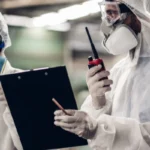
The Relation Between Water Testing and Ensuring Food Safety and Security
- Published:
- Updated: December 16, 2024
Listen to this article
Summary
Water testing is vital for ensuring food safety and security, as water quality directly affects crop and livestock health. Regular testing helps detect contaminants, preventing foodborne illnesses and ensuring safe, nutritious food.
- Regular testing identifies contaminants like chemicals and pathogens, safeguarding food production.
- Effective methods and best practices, along with government regulations, ensure accurate testing and timely response to risks.
- Corporate responsibility and individual awareness also contribute to maintaining water quality, protecting food supplies, and promoting sustainability.

How well water is used in food production determines the safety and security of food being made. That’s why water testing is so important to making sure that the water in food manufacturing is of safe and secure standards. By testing NYC water frequently, food manufacturers can catch contamination issues early before they jeopardize the food supply.
What is Food Safety and Security?
Food safety and security – this is the process by which the food that we eat is safe, without contaminants and pollution. That includes the preventative of foodborne disease and the effort to make sure that food is produced and served in sustainable and responsible ways. Food safety and security are fundamental to people’s health and wellbeing, and the stability and growth of societies.
Food safety and security are complicated problems spanning numerous dimensions, such as water, food production and storage systems, and distribution chains. Food safety and security involves government, business and public coordination, good science and good regulation.
The Importance of Water Testing in Ensuring Food Safety and Security

Food safety and security demands water testing. Water contaminants and contaminants may damage crops and animals, and the safety and wellbeing of our food supply. Water, in addition, is an essential part of food production and we need to be sure that the water in food production does not contain contaminants and contaminants.
Water testing can identify the contamination and contaminants present in the water like chemicals, pathogens and more. These contaminants and pollutants by detection will help ensure food poisoning is prevented and crops and livestock are not exposed to these toxic substances.
Water testing not only serves the purpose of preventing food poisoning, it is a part of food security as well. Food security is having access to enough, safe, nutritious food to satisfy individuals and populations. Water testing ensures that the water source does not have any contaminants and pollutants – making sure the food is safe and nutritious.
How Can We Ensure Effective Water Testing for Food Safety and Security?
There are several steps that can be taken to ensure effective water testing for food safety and security, including:
- Regular Testing: Regular water testing is essential to ensure that contaminants and pollutants are detected and addressed in a timely manner. Water testing should be conducted at regular intervals, and the frequency of testing should be determined based on the specific water source and the potential risks associated with that source.
- Use of Appropriate Testing Methods: The use of appropriate testing methods is crucial to ensure accurate and reliable results. This may include the use of chemical analysis, biological analysis, or physical analysis. The specific testing methods used should be determined based on the specific water source and the potential risks associated with that source.
- Implementation of Best Practices: Implementing best practices, such as following standard protocols and using appropriate equipment, can help to ensure accurate and reliable water testing results. Best practices for water testing should be based on the latest scientific research and industry standards, and should be updated regularly to ensure that they reflect the latest advances in water testing technology and methodologies.
By taking these steps, it is possible to ensure effective water testing and take steps to ensure the health and well-being of our food supply.
The Role of Governments in Ensuring Effective Water Testing for Food Safety and Security
Governments are key to water testing for food safety and security. State can also regulate water testing and do a good job of ensuring that it is done according to standard and in the right way. Governments could also support water testing programs and help fund them, and they could regulate to ensure contaminants and pollutants are identified and removed in a timely manner.
It’s also up to governments to educate and acquaint citizens about water testing and how it’s critical to food safety and security. Such can include putting together public information efforts, training and materials for water testing experts, and collaborating with industry and academia partners to promote the latest technology and processes for water testing.
The Role of Corporations in Ensuring Effective Water Testing for Food Safety and Security
Food and food security requires water testing on a consistent basis, too, from companies. We can do this by regularly testing the water, best practices and test equipment. Businesses could also support water testing programs and campaign for tighter regulations so that contaminants and pollutants can be identified and acted upon early.
Corporations can also help by advocating for sustainability and a sustainable water usage as this will help keep water available for generations to come. That could be by pursuing best practices for water conservation and waste reduction, or by investing in new technologies and approaches to reduce the ecological impact of water use.
The Role of Individuals in Ensuring Effective Water Testing for Food Safety and Security
People are also an important part of water testing for food safety and security. You can do that by helping water-testing efforts, calling for stricter laws, and making smart decisions about products and services they consume. There are also things we can do to be as less polluting as possible to water, such as using less water and disposed of hazardous materials.
People also need to learn about water testing and how vital it is for food safety and security. Such as, which tests to perform on water, how it’s performed, and even which water sources pose the greatest risk. By being engaged in water testing and food safety, people can make a positive difference to keep water available and sustainable for the long run.
Share this on social media:
Facebook
Twitter
LinkedIn

Related Posts