Improving Water Quality through Softening Technologies
- Published:
- Updated: November 15, 2024
Listen to this article
Summary
Water softening removes minerals like calcium and magnesium from hard water, improving water quality and offering benefits such as enhanced soap efficacy, reduced scaling and corrosion, improved taste, and health benefits. Various systems exist, including ion exchange, salt-free, and magnetic systems, each requiring regular maintenance for optimal performance. Choosing the right system involves considering water hardness, household size, budget, and maintenance needs. While water softening systems can impact the environment, proper disposal and maintenance can mitigate this. Economically, these systems reduce appliance damage, soap usage, and energy consumption, leading to cost savings for households and businesses.
- Water softening enhances water quality by removing minerals, benefiting soap efficacy, reducing scaling and corrosion, improving taste, and promoting health.
- Different systems like ion exchange, salt-free, and magnetic exist, each requiring regular maintenance for optimal performance.
- Despite potential environmental impacts, proper disposal and maintenance can mitigate them, while economically, water softening systems reduce appliance damage, soap usage, and energy consumption, resulting in cost savings.

Water softening is a process that removes minerals, such as calcium and magnesium, from hard water. Hard water can cause a range of problems, from scaling and corrosion to reduced soap efficacy and damage to appliances. By removing these minerals, water softening can help to improve water quality and provide a range of benefits for households and businesses.
What is Hard Water?
Hard water is water that is full of minerals like calcium and magnesium. These minerals may lead to anything from scaling and rust to soapiness and appliance corrosion. You can also struggle to foam soap and shampoo and leave a residue on dishes and laundry after you use hard water.
How Does Water Softening Improve Water Quality?

Water softening is a process that removes minerals, such as calcium and magnesium, from hard water. By doing so, it can help to improve water quality and provide a range of benefits, including:
- Improved soap and detergent efficacy: By removing the minerals that make it difficult to lather soap and shampoo, water softening can improve the efficacy of these products, making them more effective at cleaning clothes, dishes, and skin.
- Reduced scaling and corrosion: Minerals in hard water can cause scaling and corrosion in pipes and appliances, which can reduce their efficiency and lifespan. By removing these minerals, water softening can help to reduce scaling and corrosion and improve the efficiency and lifespan of pipes and appliances.
- Improved taste and odor: Hard water can have an unpleasant taste and odor, which can be due to high levels of minerals, chlorine, and other contaminants. Water softening can help to improve the taste and odor of water by removing these contaminants.
- Improved health and safety: Some minerals in hard water can have negative health effects, such as increased risk of cardiovascular disease and decreased bone density. Water softening can help to reduce the levels of these minerals in water, improving health and safety for households and businesses.
Different Types of Water Softening Systems
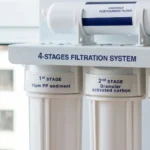
There are several different types of water softening systems, including ion exchange systems, salt-free systems, and magnetic systems. Ion exchange systems are the most common type of water softening system, and work by exchanging hard minerals for sodium ions. Salt-free systems work by changing the chemical structure of minerals, making them less likely to cause scaling and corrosion. Magnetic systems work by using magnetic fields to alter the properties of minerals, reducing their ability to cause scaling and corrosion.
The Importance of Regular Maintenance for Water Softening Systems
Regular maintenance is essential for ensuring the optimal performance and longevity of a water softening system. This can include cleaning the resin bed, checking the salt levels, and checking the system for leaks and other issues. Regular maintenance can help to extend the lifespan of the system, improve its efficiency, and reduce the risk of system failure.
Additionally, regular maintenance can help to ensure that the system is working correctly and providing the desired level of softness. For example, if the resin bed is not cleaned regularly, it can become clogged and reduce the system’s efficiency. If the salt levels are too low, the system may not be able to effectively soften the water. By having regular maintenance checks, you can ensure that your water softening system is functioning at its best.
How to Choose the Right Water Softening System?
Choosing the right water softening system can be a challenge, as there are many different types and brands to choose from. To help you choose the right system for your needs, consider the following factors:
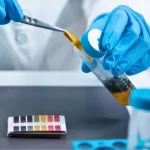
- Water hardness: The level of hardness in your water will determine the type and size of water softening system you need. You can have your water tested to determine its hardness level.
- Household size: The size of your household will determine the capacity of the water softening system you need. Larger households will need a larger capacity system than smaller households.
- Budget: The cost of a water softening system can vary, depending on the type and size of the system, as well as the brand and retailer. Consider your budget when choosing a water softening system.
- Maintenance: Some water softening systems require more maintenance than others. Consider the maintenance requirements of each system before making your final decision.
The Environmental Impact of Water Softening Systems
The environmental impacts of water softeners are varied based on the system and how the effluent is recycled. Ion exchange systems, for instance, remove minerals from water using salt and the salt itself is harmful to the environment if it’s not correctly removed. Other systems are non-salty, but still may pollute the environment by the generation and disposal of materials in the system.
When deciding on a water softening system that will be environmentally responsible, choose a system that is environmentally friendly and dispose of the wastewater from the system responsibly. Also, regular maintenance can reduce the system’s environmental footprint as it will prevent leaks and spills and the system will always work optimally.
The Economic Benefits of Water Softening Systems
Water softeners are also economic assets. As an example, scaling and corrosion reduction in water softeners can save the pipes and appliances from replacement and repairs over time. Additionally, water softeners can cut down on the amount of soap and detergent that you require to clean the house and save you money.
Besides that, water softeners can also make your pipes and appliances work smarter, which will save you a ton of energy in heating water and running appliances. That means cheaper energy costs which can make all the difference to the bottom line of home or business. By putting your money into a water softener you will reap the benefits of improved water quality as well as various financial benefits.
Share this on social media:
Facebook
Twitter
LinkedIn

Related Posts