Understanding the Shelf Life of Spring Water
Storing spring water correctly is essential to preserve its quality. Bottled water, when stored properly, can last indefinitely. Yet, several factors must be considered to ensure its longevity. The U.S. government’s Food Safety resources provide valuable insights into these considerations.
Storage temperature is a critical factor in spring water longevity. The Centers for Disease Control and Prevention (CDC) suggests keeping bottled water in a cool environment. This should be between 50 and 70 degrees Fahrenheit. Such a temperature range prevents harmful bacteria growth and keeps the water fresh and tasting good.
Factors Affecting Spring Water Longevity
Light exposure and packaging material also significantly impact spring water’s shelf life. Direct sunlight or heat can degrade the water’s quality over time. The packaging material used can also affect longevity, as some materials may leach chemicals into the water.
| Factor | Impact on Spring Water Longevity |
|---|---|
| Storage Temperature | Ideal temperature range: 50-70°F (10-21°C) |
| Light Exposure | Avoid direct sunlight and heat sources |
| Packaging Material | Some materials may lead to chemical leaching over time |
Ideal Storage Conditions for Spring Water
To ensure the best storage practices for spring water, follow these recommendations:
- Store bottled water in a cool, dark place
- Keep water away from direct sunlight and heat sources
- Consider the shelf life of the packaging material
- Replace stored water every six months for optimal freshness and taste, as suggested by the CDC
Adhering to these guidelines helps maintain the quality and extends the shelf life of your spring water. The CDC also advises storing a two-week supply of water per person daily. Additional storage is recommended for pets or in hot regions.
How Bottled Water Is Packaged and Stored

The packaging and storage of bottled water are critical for maintaining its quality and safety. Bottled water is often packaged in plastic or glass containers, each with unique characteristics. The choice of packaging material and proper storage techniques significantly affect the water’s longevity and purity.
Plastic vs Glass Bottles: Pros and Cons
Two primary materials are used for bottling water: plastic and glass. Plastic water bottles, mainly PET, are lightweight, durable, and cost-effective. They are widely used, with many manufacturers buying preforms from suppliers. Yet, plastic bottles can degrade, potentially leaching chemicals into the water if exposed to heat or stored for long periods.
Glass water bottles offer better protection against contamination. Glass is inert, ensuring the water’s taste and quality remain unchanged. For example, Saratoga Spring Water is available in 28oz and 12oz glass bottles, lasting up to 2 years. Glass bottles, though, are heavier and more fragile, affecting transportation and storage costs.
The Impact of Packaging on Water Quality
The choice of packaging materials greatly impacts water quality. Both plastic and glass bottles undergo quality control, but contamination risks differ. Plastic bottles, if not properly made or stored, can release chemicals like BPA or antimony into the water. These contaminants can pose health risks, mainly if the water is exposed to high temperatures or stored for long periods.
Glass bottles, on the other hand, provide a stable and inert environment for water. They do not leach chemicals and protect against external contaminants better. Yet, glass production and transportation have a higher environmental impact than plastic bottles.
Proper Storage Techniques for Bottled Water
Proper storage techniques are key to maintaining bottled water’s quality and safety. Important storage guidelines include:
- Store bottles in a cool, dry place away from direct sunlight and heat sources.
- Avoid storing bottles in areas with strong odors or chemicals, as these can permeate through the packaging and affect the water’s taste.
- Rotate stock using the first-in, first-out (FIFO) method to ensure that older bottles are consumed first.
- Keep bottles sealed until ready for consumption to prevent contamination.

By following these storage techniques, consumers can preserve the quality and freshness of their bottled water, regardless of whether it’s in plastic or glass containers.
| Packaging Material | Shelf Life | Advantages | Disadvantages |
|---|---|---|---|
| Saratoga Glass Bottles | 2 years | Superior protection against contamination | Heavier and more fragile |
| Saratoga Recycled PET Bottles | 9 months | Lightweight and cost-effective | Potential for chemical leaching over time |
Why Bottled Water Has an Expiration Date
As you explore the aisles of your local grocery store, you might wonder about the expiration dates on bottled water. It’s natural to question, given that water doesn’t spoil like food does. Yet, these dates are critical for ensuring the water’s safety and freshness.
The main reason for bottled water expiration dates is the bottled water regulations enforced by governing bodies. These expiration date requirements aim to uphold the highest standards of water freshness. They also protect consumers from health risks linked to compromised packaging.
Regulatory Requirements for Expiration Dates
In the United States, the Food and Drug Administration (FDA) treats bottled water as a packaged food product. This means manufacturers must follow strict guidelines, including labeling with a "best before date." This date is usually set two years after bottling, though unopened water can last up to five years under ideal storage conditions.
Ensuring Consumer Safety and Freshness
Even though water itself doesn’t spoil, the expiration date is about maintaining quality and taste. Over time, packaging can degrade, potentially affecting the water’s taste. Thicker, high-quality plastics are less likely to leach chemicals, but it’s wise to rotate stock every six months to a year for the best taste.

Consumer safety is another key factor. Once opened, bottled water should be consumed within one to two weeks if kept refrigerated. At room temperature, bacteria can grow inside an opened bottle in just a few days. Adhering to expiration dates and proper storage ensures consumers drink safe, fresh water.
| Storage Condition | Shelf Life |
|---|---|
| Unopened, optimal conditions | Up to 5 years |
| Opened, refrigerated | 1-2 weeks |
| Opened, room temperature | A few days |
Understanding the reasons behind bottled water expiration dates and following proper storage guidelines is key. This way, consumers can ensure they are drinking safe, fresh water that meets all quality and consumer safety standards.
The Role of Plastic in Bottled Water Longevity
The type of plastic used in bottled water packaging greatly affects its longevity and quality. PET plastic bottles, made from polyethylene terephthalate, are widely used. They are lightweight, durable, and cost-effective.
While PET is safe for single-use, prolonged storage and environmental exposure pose risks. Over time, PET can degrade, leading to chemical leaching. This can release substances like antimony and phthalates into the water, potentially compromising its purity and safety.
Types of Plastics Used in Water Bottles
In recent years, there’s been a shift towards BPA-free plastics in water bottle production. Bisphenol A (BPA) has been linked to health concerns, prompting manufacturers to seek alternatives. Common BPA-free plastics include:
- High-density polyethylene (HDPE)
- Low-density polyethylene (LDPE)
- Polypropylene (PP)
- Copolyester (Tritan)
These materials offer improved safety and help reduce chemical leaching risks.
Chemical Leaching and Its Effects on Water Quality
Chemical leaching occurs when compounds from the plastic bottle migrate into the water over time. This is accelerated by prolonged storage, heat, and sunlight. Some chemicals that may leach into bottled water include:
- Antimony: A metallic element used in PET production, which can cause gastrointestinal issues and other health problems when consumed in high quantities.
- Phthalates: Plasticizers added to enhance flexibility and durability, linked to endocrine disruption and developmental issues.
To minimize water contamination risks, it’s essential to store bottled water properly. Keep it away from direct sunlight and extreme temperatures. Choosing BPA-free plastics and regularly replacing old bottles can further reduce chemical leaching risks.
Understanding the role of plastic in bottled water longevity and taking proactive measures can ensure safe, high-quality drinking water. This approach minimizes health risks associated with chemical leaching.
How Long Does Bottled Water Last Unopened?
When it comes to storing water for emergencies, a common question is about the unopened bottled water shelf life. Most manufacturers label their products with a two-year expiration date. This is more about the bottle’s durability than the water’s freshness. In fact, unopened bottled water can stay safe to drink for many years if stored correctly. This makes it a great choice for long-term water storage.
To keep your emergency water supply fresh, store unopened bottled water in a cool, dark spot. The best temperature for water containers is between 50°F and 70°F. Under these conditions, unopened bottled water can last for years, ensuring a reliable hydration source during emergencies.
| Brand | Bottle Type | Shelf Life |
|---|---|---|
| Saratoga Spring Water | Glass Bottles | 2 years |
| Saratoga Spring Water | Recycled PET Bottles | 9 months |
Always inspect stored water for damage or contamination before drinking. If the bottle shows signs of damage, leaks, or has an unusual smell, it’s best to discard it. Use a fresh bottle from your emergency water supply instead.
"The risk of foodborne illness increases if spoiled coconut water is consumed, specially if past its expiration date."
When preparing your emergency water supply, aim to store at least 1 gallon of water per person, per day for 3 days. For better preparedness, aim for a 2-week supply. Always replace your stored water every 6 months to maintain its freshness and quality.
What Happens If Bottled Water Is Stored Past Its Best Before Date?
Storing bottled water beyond its best before date can lead to taste and odor changes. These alterations stem from the degradation of packaging materials over time. This degradation affects the water’s quality. Though these changes might be unpleasant, they don’t always signify a health risk.
Research indicates that bottled water can leach chemicals from plastic, more so when exposed to heat. Studies reveal that antimony levels, a potentially harmful chemical, can spike after just three months at high temperatures. This underlines the critical need for proper storage to preserve the quality and safety of bottled water.

Changes in Taste and Odor
Consuming expired bottled water may result in taste changes and odor changes. These shifts are due to the breakdown of plastic packaging, which can introduce chemicals into the water. Though these changes might not be harmful, they can detract from the water’s appeal.
A survey revealed that 75% of consumers discard bottled water once it reaches its best before date, despite it often being safe to consume. This highlights the need to educate consumers about the proper storage and shelf life of bottled water to minimize waste.
Potential Health Risks of Consuming Expired Water
While consuming expired water doesn’t always pose significant health risks, caution is advised in certain situations. If the bottle shows signs of damage or contamination, such as leaks, cracks, or cloudiness, it’s best to discard the water. This is to avoid health risks associated with compromised water quality.
The risk of microbial growth in bottled water increases after 1-2 years, mainly if the seal is broken or if the water has been exposed to contaminants. Drinking water with bacterial growth can lead to gastrointestinal issues and other health concerns.
| Storage Time | Potential Effects |
|---|---|
| 3 months at high temperatures | Increased levels of antimony |
| 1-2 years | Increased risk of microbial growth |
Approximately 60% of bottled water consumers are unaware that bottled water can remain safe to drink past its best before date if stored correctly. This emphasizes the need for consumer education on the shelf life and storage requirements of bottled water. This ensures safe consumption and reduces unnecessary waste.
Does Bottled Water Go Bad Once Opened?
Many believe bottled water lasts forever, but once opened, it’s more prone to bacterial growth and contamination. Proper storage and consumption guidelines are key to ensuring water consumption safety and maintaining quality.

Bacterial Growth in Opened Bottles
Opening a bottle of water exposes it to air and contaminants, leading to bacterial growth. Some statistics underscore the need for proper storage and consumption of opened bottled water:
- In 2024, Berkeley Club Beverages recalled its purified and distilled spring water due to coliform bacteria, affecting shipments across three states.
- Natural Waters of Viti Limited recalled nearly 1.9 million bottles of Fiji Natural Artesian Water in 2024 due to excessive manganese levels and three types of bacteria.
- In 2017, Kroger recalled Comforts for Baby Purified Water due to mold contamination, the Talaromyces penicillium strain, which can cause allergic reactions and is harmful to infants.
To reduce bacterial growth risk, store opened bottled water in the fridge and consume it within a few days. Leaving it at room temperature can cause bacteria to multiply quickly, making it unsafe to drink.
Proper Storage and Consumption Guidelines for Opened Bottles
To ensure the safety and quality of your opened bottled water, follow these guidelines:
- Store opened bottled water in the refrigerator, ideally at a temperature below 40°F (4°C).
- Consume opened bottled water within 3-5 days to minimize the risk of bacterial growth.
- Avoid drinking directly from the bottle to prevent the introduction of bacteria from your mouth.
- Always close the cap tightly after each use to reduce exposure to air and contaminants.
- If you notice any unusual odors, flavors, or discoloration, discard the water immediately.
By adhering to these guidelines, you can extend the opened bottled water shelf life and ensure it remains safe to drink.
"The U.S. Food and Drug Administration does not require a shelf life for bottled water. Most producers recommend not drinking bottled water that has been sitting for over two years."
While unopened bottled water can last long, it’s vital to be aware of the storage guidelines and risks of consuming water from opened bottles. Prioritizing proper storage and hygiene practices ensures safe enjoyment of bottled water, minimizing bacterial growth and contamination risks.
Tips for Proper Bottled Water Storage
Keeping bottled water fresh and ready for emergencies is key. To store water properly, follow these important guidelines:
- Store bottled water in a cool, dry place away from direct sunlight and heat sources, ideally between 50°F and 70°F.
- Avoid storing water near chemicals or strong odors, as the packaging can absorb these scents.
- Rotate your emergency water supply every six months to a year to maintain freshness.
- Regularly inspect stored water for signs of damage or contamination, and discard any compromised bottles.
- Use food-grade containers, such as plastics numbered 1, 2, 4, and 7, to prevent contamination.
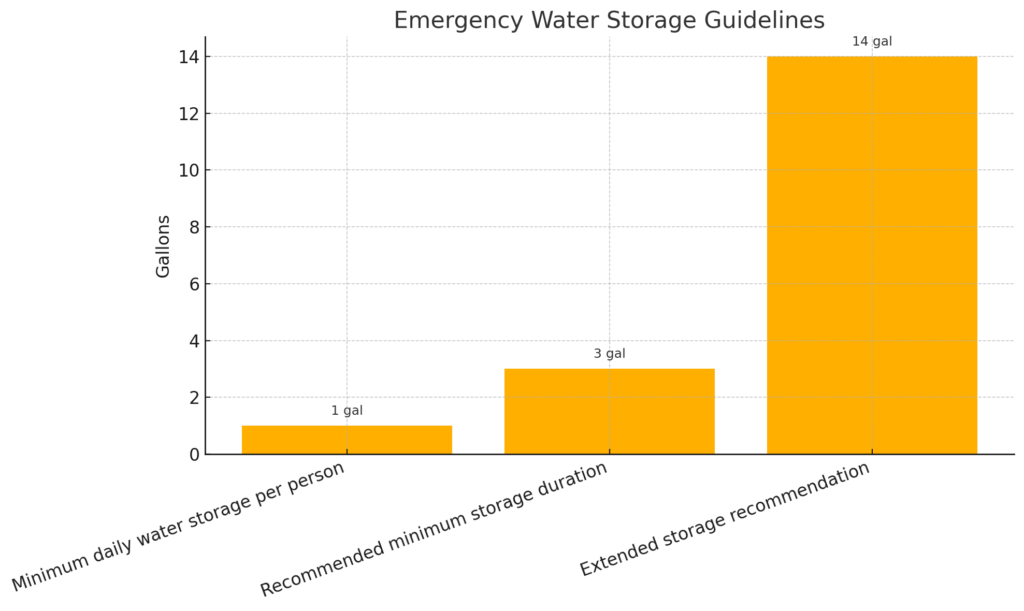
When preparing an emergency water supply, it’s essential to store enough for each household member. The CDC suggests at least one gallon of water per person per day, aiming for a three-day supply. But, it’s better to aim for a two-week supply if possible.
| Emergency Water Storage Guidelines | Quantity |
|---|---|
| Minimum daily water storage per person | 1 gallon |
| Recommended minimum storage duration | 3 days |
| Extended storage recommendation | 2 weeks |
| Additional storage for pregnant individuals or pets | As needed |
To keep your stored water safe, replace it every six months. Use a solution of 1 teaspoon of unscented liquid household chlorine bleach per 1 quart (4 cups) of water for sanitizing containers. Label containers as "drinking water" and include the storage date for tracking.
By following these bottled water storage tips and maintaining ideal storage conditions, you can ensure that your emergency water supply remains fresh and readily available when needed.
Can You Drink Expired Bottled Water Safely?
Drinking expired bottled water raises safety concerns. Generally, it’s safe to consume water past its expiration date if the bottle is intact and shows no signs of damage or contamination. Yet, it’s vital to recognize water spoilage signs and discard expired water to avoid health risks.
Signs of Spoilage in Bottled Water
Before consuming expired bottled water, inspect for spoilage signs. Common indicators include:
- Cloudy water: Hazy or cloudy water may indicate bacterial growth or contaminants.
- Strange odor: An unusual smell, like musty or chemical, suggests compromised water quality.
- Unusual taste: If the water tastes stale or metallic, it’s best to avoid it.
- Compromised packaging: Damaged bottles, such as cracks or leaks, mean the water is not safe.
When to Discard Expired Water
While expired bottled water is often safe, there are times to discard it:
- Signs of spoilage, like cloudiness, strange odors, or tastes, mean it’s best to avoid it.
- Exposure to high temperatures or direct sunlight can degrade water quality, making it safer to discard.
- Opened bottles, even if refrigerated, should be discarded after a week or two to prevent bacterial growth.
| Storage Condition | Shelf Life |
|---|---|
| Unopened, stored in a cool, dark place | Up to 5 years |
| Opened, stored in the refrigerator | 1-2 weeks |
| Opened, stored at room temperature | A few days |
Being aware of spoilage signs and following storage guidelines can minimize risks from expired bottled water. If in doubt, always discard the water and choose a fresh, unopened bottle.
Bottled Water Versus Tap Water Longevity
The shelf life of bottled water versus tap water reveals significant disparities. Bottled water, when stored correctly, can stay fresh and safe for up to two years or more. This is due to its protective packaging and rigorous quality control during bottling.

Tap water, in contrast, has a much shorter shelf life once collected and stored. It’s recommended to consume it within a week or two if kept refrigerated in a sealed container. Tap water’s shorter lifespan is mainly because it lacks the protective packaging that bottled water enjoys.
Storing tap water also increases the risk of contamination from external sources. Once removed from the municipal supply and exposed to air, tap water becomes more prone to bacterial growth and contamination. This highlights the need for proper storage, such as using clean, food-grade containers and refrigeration to slow bacterial growth.
| Water Type | Shelf Life | Key Factors |
|---|---|---|
| Bottled Water | Up to 2 years or more | Protective packaging, quality control |
| Tap Water | 1-2 weeks refrigerated | Lack of protective packaging, contamination risks |
For long-term storage and emergency preparedness, bottled water is often preferred. Its longer shelf life and lower contamination risk make it a top choice for many. Yet, it’s critical to store bottled water properly. Keep it in a cool, dark place, away from sunlight and heat, to preserve its quality.
In summary, while tap water is a cost-effective and convenient daily choice, its shorter shelf life and higher contamination risk favor bottled water for long-term storage and emergencies. Understanding these differences helps consumers make better choices, ensuring access to safe drinking water when needed.
How to Tell If Your Bottled Water Has Gone Bad
Bottled water generally lasts a long time, but knowing when it’s gone bad is key. A few simple tests can help you confirm if your water is fresh and safe to drink.
Visual Cues of Water Quality Deterioration
Start by visually inspecting the bottle. Look for any damage like cracks, leaks, or warping. If the bottle is damaged, it’s best to throw away the water. Also, check for cloudiness or particles, which could mean bacterial growth or contamination.
Exposure to heat can damage plastic, affecting water quality. Avoid bottles with discoloration or warping, as these signs indicate unsafe water.
Smell and Taste Tests for Water Freshness
After checking the bottle’s condition, perform a smell test. Open the cap and sniff the water. Any unusual odors, like musty or chemical smells, are a warning sign. Fresh water should have no scent.
If the water smells fine, taste it. An unusual taste, like metallic or stale, means it’s best to discard the bottle. Remember, while water doesn’t spoil, its taste and quality can degrade over time, depending on storage conditions.
| Test | Normal | Abnormal |
|---|---|---|
| Visual | Clear, no particles | Cloudy, floating particles, damaged bottle |
| Smell | No odor | Strange odor (musty, chemical) |
| Taste | Fresh, clean taste | Unusual taste (metallic, stale) |
By following these guidelines, you can ensure your bottled water is of the highest quality. Always discard water if you’re unsure about its safety. It’s better to be safe than sorry.
Does Spring Water Expire
Spring water is often seen as a pure, natural choice compared to tap water. Many believe it lasts forever. Yet, the truth about spring water expiration is more nuanced. While the water itself doesn’t expire, its packaging does have a limited life span. This can affect the water’s quality and safety over time.
Debunking Myths About Spring Water Expiration
One common spring water expiration myth is that it lasts forever. This belief comes from the idea that spring water is untouched by humans. It’s thought to remain pure indefinitely. But, this is not entirely true. Spring water, though naturally filtered and free from many contaminants, faces the same storage and packaging issues as other bottled waters.
The Truth About Spring Water Shelf Life
To grasp the spring water shelf life facts, we must look at what affects its longevity. The main concern is the container, not the water itself. Most spring water is in plastic, which can break down over time. This can lead to chemicals leaching into the water. Heat, light, and environmental factors speed up this process.
| Storage Factor | Effect on Spring Water |
|---|---|
| Heat | Accelerates plastic degradation and chemical leaching |
| Light | Promotes algae growth and alters taste |
| Air | Allows for bacterial growth once the bottle is opened |
| Time | Lengthens exposure to degrading factors |
To keep your spring water fresh for as long as possible, follow proper spring water storage guidelines. Keep bottles in a cool, dark place, away from sunlight and heat. Once opened, refrigerate the water and drink it within a few days to avoid bacterial growth. By following these steps, you can enjoy your spring water for a longer time.
Alternatives to Bottled Spring Water
As concerns about sustainability and plastic waste escalate, many seek alternatives to bottled spring water. By tweaking our daily water habits, we can lessen our environmental footprint. This way, we can enjoy clean, fresh water without harming the planet.

Reusable Water Bottles and Filtration Systems
Investing in a reusable water bottle is a key step towards reducing bottled water use. These bottles, crafted from materials like stainless steel or glass, can be refilled endlessly. Paired with a home filtration system, they offer quality water without the environmental toll of bottled water.
Consider these facts:
- Bottled water can cost up to 600 times more than tap water, with prices ranging from 50p to £2 per litre, compared to just £0.003 per litre for tap water in the UK.
- Producing bottled water requires three times the amount of water that actually ends up in the bottle, and the energy needed for production and transportation is 1,000 times higher than that of tap water.
Eco-Friendly Water Consumption Habits
Adopting eco-friendly water habits is another step towards reducing plastic waste. Simple actions, like recycling plastic containers and choosing tap water over bottled, can significantly impact our environment. These habits promote sustainable water consumption.
It’s also important to be aware of marketing tactics used by bottled water companies. For example:
- In 2019, bottled water companies spent an estimated $203 million on advertising.
- Dasani, owned by Coca-Cola, faced backlash in the late ’90s for sourcing water from municipal sources, which was then purified, leading to consumer dissatisfaction.
- The FDA tightened rules on labeling terms like "mineral," "purified," and "spring water" following consumer confusion from the bottled water industry.
By making informed choices and prioritizing sustainable water consumption, we can work together to reduce plastic waste and protect our planet’s resources.
The Environmental Impact of Bottled Water Consumption
The bottled water industry faces intense scrutiny over its environmental impact. Concerns include plastic pollution and the strain on water resources. BlueTriton Brands, formerly Nestle Waters North America, has been at the forefront of controversy. This is due to its water extraction practices in the San Bernardino National Forest.
Despite operating under special-use permits for nearly a century, the company has faced criticism. The low permit fees and alleged unlawful diversion of water without valid rights have been major points of contention.
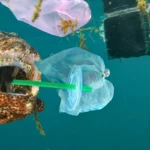
The environmental consequences of bottled water consumption go beyond extraction. The production and transportation of plastic water bottles contribute to greenhouse gas emissions. This exacerbates the climate crisis. Most of these bottles end up in landfills or as litter in natural habitats.
This leads to plastic pollution that can take centuries to decompose. Studies reveal that bottled water contains about 240,000 microscopic pieces of plastic per liter. Ninety percent of these are nanoplastics, which can potentially harm human health and the environment.
As consumers become more aware of the environmental impact, many are seeking sustainable alternatives. Reusable water bottles and filtration systems offer eco-friendly solutions. They reduce plastic waste while providing clean, safe drinking water. In addition to reusable water bottles, innovative companies are creating sustainable water options for consumption, such as biodegradable packaging for beverages and refill stations in public places. These initiatives not only promote responsible consumption but also encourage a shift towards more environmentally friendly choices. By prioritizing sustainability, consumers can play a vital role in reducing their carbon footprint and preserving natural resources for future generations.
By making informed choices and supporting policies that protect water resources, we can work towards a more sustainable future. This future balances the needs of our communities and the planet.
It’s worth noting that 90% of people in the U.S. receive their water through public systems regulated by the Environmental Protection Agency (EPA). Tap water may contain dissolved minerals like calcium and magnesium, causing floating particles. This is often a sign of hard water, not contamination.
Understanding the sources and quality of our drinking water helps us make informed decisions. These decisions prioritize both our health and the environment.