Why Water Safety Matters for Travelers
Travelers to Brazil often encounter drinking habits that differ from their home countries. The urban water treatment systems may seem advanced, but they can fail. Seasonal events, like major floods, have led to sudden outbreaks of illness. This highlights the importance of water safety in Brazil for travel planning.
Those not used to Brazilian tap water face a higher risk of infection. In 2022, unsafe water sources caused 9,463 deaths, with many being senior citizens. The floods in Rio Grande do Sul displaced over half a million people, exposing them to waterborne diseases. Choosing bottled or boiled water can significantly reduce health risks, ensuring travelers stay safe and active.
Year | Incident | Health Impact |
2024 | Rio Grande do Sul Floods | Leptospirosis outbreaks |
2022 | Nationwide Reports | 9,463 deaths from unsafe water |
Common Issues with Drinking Tap Water in Brazil
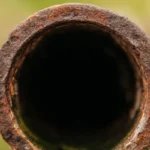
In cities, residents often face water that’s murky or tastes unpleasant, raising safety concerns. Corroded pipes and outdated facilities can let harmful substances into the water. Many travelers seek out reliable information on this topic to stay safe during their visit.
Health experts recommend using filtered water Brazil systems to lower contamination risks. There’s a growing interest in purification methods like chemical treatment or home filters. Despite efforts to combat pollution at treatment plants, leaks or runoff remain a worry for locals and visitors.
Potential Contaminants in Urban Areas
Urban growth brings industrial development but also increases the risk of contaminants in tap water. Metal particles, pesticides, and bacteria can enter the water supply. Poor waste disposal and failing drainage systems can lead to higher pathogen levels.
Rural Water Supply Challenges
In rural areas, many families depend on wells or streams without regular testing. This lack of oversight can compromise safe water practices. More households are turning to filtered water Brazil solutions to address these risks:
- Seepage of agricultural chemicals
- Limited sanitation facilities
- Excess sediment in water reservoirs
Tap Water in Brazil: Understanding Local Practices
Local households often turn to filtration systems or boiled water to ensure safety. Many Brazilians install brands like Brita to filter their kitchen taps. In cities, purified water is seen as essential for health. The debate over tap water in Brazil continues among residents.
Restaurants often serve bottled water from well-known labels such as Crystal, highlighting a focus on safety. Many places do not offer free tap water, prompting visitors to plan ahead. The quality of drinking water in Brazil varies by region, making it important for travelers to understand local practices. This approach helps protect families from contamination and enhances neighborhood security.
Some people trust filtered taps for cooking, while others boil water for extra safety. Many opt for a filter attachment for added protection at home. The use of tap water in Brazil is shaped by tradition and ongoing health concerns.
Health Risks and Possible Precautions
Drinking untreated water can cause stomach cramps, diarrhea, and dehydration. Travelers often face these issues due to local parasites or bacteria. The Centers for Disease Control and Prevention (CDC) advises against drinking from questionable sources. They recommend using sealed containers instead.
In December 2024, an accident at the Tocantins River raised concerns about chemical hazards. Trucks carrying sulfuric acid and pesticides were involved. Being vigilant is key to staying safe from water-related threats in Brazil.
Ensuring water safety in Brazil goes beyond just avoiding contaminated sources. Some hotels use filtration systems to combat harmful organisms. Tourists may also bring purification tablets or portable filters.
By taking these precautions, the risk of waterborne illnesses decreases. Following official guidelines is also important. This includes avoiding freshwater bodies that could harbor infections. With proper preparation and awareness, visitors can enjoy their stay without health concerns.
Bottled Water: Is It a Better Option?
Travelers often opt for sealed bottles from brands like Nestlé Pure Life or Evian for a quick fix. This choice limits contact with harmful contaminants, adding reassurance when exploring new places. Yet, there’s a cost, and many notice expenses rising with each thirst.
Comparing Costs
One bottle might seem affordable, but daily purchases quickly add up. Airports and tourist spots charge high prices, making hydration a significant budget concern. Local shops may offer cheaper options, but planning ahead can help save money.
Environmental Considerations
Discarded plastic is a growing problem for natural habitats. Opting for refillable containers can reduce waste without compromising safety. Some travelers use portable filters for a sense of security. These devices provide filtered water, reducing plastic use and minimizing contamination worries.
Filtration Methods and Household Solutions
In Brazil, many individuals seek to improve tap water quality before consumption. Filtration units are a popular choice for reducing sediment and chemical residues. Options range from countertop filters to under-sink systems and portable bottles, catering to different needs.

Those prioritizing safe drinking water often combine physical filtration with additional purification methods. Boiling or UV treatments can eliminate smaller pathogens, providing extra protection. This combination ensures both cleanliness and peace of mind, essential for travelers or long-term visitors.
- Countertop Filters – Quick to install
- Under-sink Filters – Less clutter in the kitchen
- Portable Filter Bottles – Convenient for short stays
Here’s a brief comparison of popular filtration methods:
Filter Type | Key Benefit | Limitation |
Countertop | Easy setup and user-friendly | May require frequent cartridge changes |
Under-sink | Space-saving design | Higher start-up cost |
Portable Bottles | Ideal for travel | Limited water volume |
Boiling Water for Safety
Boiling water is a time-tested approach for ensuring cleanliness in both urban and rural settings. It effectively kills viruses, bacteria, and parasites, making it critical for water safety in Brazil. By boiling water for at least one minute, travelers significantly lower the risk of ingesting harmful organisms.
In areas over 6,500 feet, the boiling time increases to three minutes. After boiling, letting the water cool before transferring it to a sanitized container helps preserve its freshness. This method, though it adds steps to a routine, is cost-effective and reliable. It’s a trusted backup when filters or bottled water options are not available.
What Tourists Should Know About Hotel Water
Hotels vary in their water service approach. Some chains have on-site filtration systems. Others indicate if tap water is safe in each room. Guests should ask the front desk upon arrival to ensure the water’s safety.
"We often remind guests to confirm if an in-room kettle is safe for tap water," stated a team member at Hilton São Paulo Morumbi.
Travelers should look for signs about boiled water and bottled options. Many hotels prioritize safe water practices. They might offer sealed bottles or state that filtered water is standard in certain rooms. Asking these questions early can prevent health issues.
Guidelines for Safe Consumption
Understanding if the hotel uses filtered water Brazil is beneficial. Guests should check posted notices near sinks to see if the system is effective. If no signs are present, checking local guidelines adds extra certainty.
When to Seek Local Advice
Neighbors or staff who live nearby often know the best precautions. They can guide travelers to reliable suppliers or warn them about risky local water sources. Heeding these insider tips promotes safe water practices, ensuring guests stay healthy during their visit.
Impact of Regional Differences
Water quality in Brazil’s metropolitan areas shows significant variations. In São Paulo, the public water network covers almost all residents, with each person consuming 221 liters daily. This exceeds the UN’s recommended 110 liters. Water loss is substantial, at 30.8%, and 11% to 12.8% of homes lack sewage systems.
Untreated sewage and industrial waste can pollute urban water sources. This makes tap water in Brazil safer in large cities but raises periodic concerns. The situation highlights the need for vigilance.
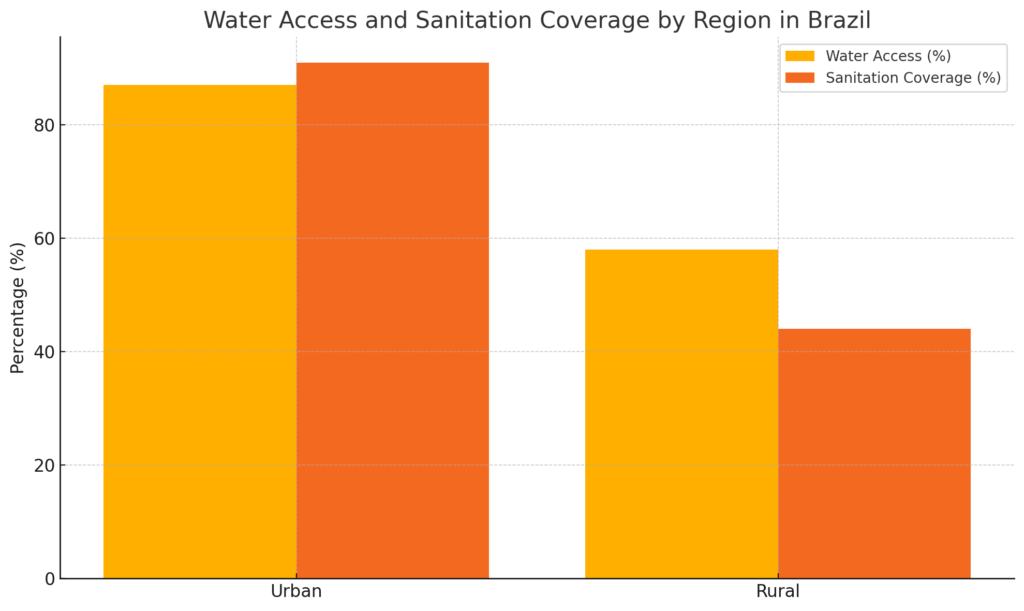
Rural communities face challenges due to limited infrastructure. They often depend on wells or rivers without adequate monitoring. Only 58% of these areas have access to basic water supplies, compared to 87% in urban zones.
This disparity poses health risks, making drinking water in Brazil a concern for those venturing off the beaten path. Portable filters and boiling water are effective measures for travelers seeking additional safety.
For more information, explore water initiatives in Brazil. These highlight ongoing efforts to enhance water and sanitation conditions.
- Review local conditions before relying on public water systems
- Check for signs of contamination near rural wells
- Seek professional guidance if uncertain about water quality
Location | Water Access (%) | Sanitation Coverage (%) |
Urban | 87 | 91 |
Rural | 58 | 44 |
Practical Tips During Your Stay
Being mindful of water safety in Brazil can prevent unnecessary issues. Simple steps can make your stay more comfortable, even when faced with unfamiliar tap water.
Making informed choices, like opting for trusted brands and focusing on hygiene, can ease your mind. These precautions ensure a pleasant and memorable journey.
Handwashing and Brushing Teeth
Keeping hands clean is key to avoiding germs. Many travelers feel secure washing with soap in cities. Others prefer travel-size sanitizers for extra peace of mind. For brushing teeth, bottled or filtered water is best.
Buying Water on the Go
Sealed bottles are a top choice for their convenience and cleanliness. Always check the cap to ensure the water is genuine. Supermarkets and authorized sellers provide a safer option while traveling.
Here are some easy tips to enhance your experience:
Action | Reason |
Use Filtration | Helps remove contaminants |
Check Bottle Seal | Confirms authenticity |
Addressing Myths and Misconceptions
The variety of stories about water in Brazil can leave newcomers uncertain. Some believe every water source is unsafe, while others think city supplies are always pure. The truth is more nuanced. Major cities often monitor water quality rigorously, whereas smaller towns may face challenges with outdated systems.
Myths spread when visitors rely on outdated information or hearsay. Seeking current facts can alleviate confusion. Using filtered water Brazil options at restaurants or hotels can offer peace of mind. This approach to safe water practices strikes a balance without instilling unnecessary fear.
“Collecting facts from trusted health authorities helps travelers see where water is considered safe and where extra steps are wise.”
Many myths dissipate when people access accurate data from local experts. Understanding where tap water might be risky helps visitors stay cautious. These steps eliminate guesswork, empowering visitors to explore Brazil’s rich culture with confidence.
Making Informed Choices About Drinking Water in Brazil
Travelers who understand local water sources can make better health and comfort choices. Some opt for bottled water for ease, while others use filtration tablets or portable purifiers. These methods help mitigate waterborne risks. It’s essential to observe local practices and adhere to official guidelines when necessary.
For those considering drinking water in Brazil, using tap water after boiling or with a tested filter is an option. This approach can save money and reduce plastic waste. Trusted brands are widely available, making it a popular choice for many visitors. Each method depends on individual needs. Yet, being aware of the infrastructure and local conditions ensures safe and memorable experiences.
FAQ
Is tap water in Brazil safe to drink throughout the entire country?
Tap water in Brazil is treated with chlorine and other methods in many urban areas. Yet, aging pipes and outdated infrastructure can introduce contaminants. This includes heavy metals and antibiotic-resistant bacteria. In rural areas, the risk is higher due to untreated river sources and wells. It’s wise for travelers to purify or filter water before drinking.
What are some possible health risks from drinking contaminated water in Brazil?
Waterborne illnesses like gastrointestinal infections can occur from parasites or harmful chemicals in water. Exposure to pharmaceutical residues, heavy metals, and antibiotic-resistant bacteria also poses health risks. Visitors with less-adapted immune systems are more vulnerable, making reliable filtration and safe water practices critical.
How do local communities address water safety concerns?
Brazilians often boil water in kettles or use filtration units at home when tap water quality is suspect. These methods help mitigate pathogens and chemicals. They are endorsed by Brazilian authorities to reduce waterborne diseases in areas with sanitation disparities.
Does boiling water eliminate all contaminants in Brazil’s tap supply?
Boiling water for at least one minute can kill most bacteria, viruses, and parasites. This significantly lowers infection risk. Yet, it doesn’t remove certain chemicals or heavy metals. Using boiling with additional filtration methods, like activated carbon filters or UV light purification, offers broader protection.
Where can travelers find reliable guidance on regional water quality?
Hotel staff and local residents often know the safest sources for drinking water. Regional news outlets or public health updates also provide information on contamination issues and infrastructure improvements. This affects tap water safety.
Are bottled water and refillable filter bottles recommended options?
Bottled water offers security but can be expensive, contributing to plastic pollution. Refillable water bottles with built-in filters balance cost, convenience, and environmental responsibility.
How do filtration methods help address contamination from agricultural runoff or pharmaceutical residues?
High-quality filters, such as reverse osmosis or specialized activated carbon systems, can reduce pesticides and pharmaceutical residues. These contaminants are often introduced by agricultural runoff. While not eliminating every contaminant, these filters minimize a wide range of pollutants, making water safer for drinking and cooking.
What precautions should travelers take when brushing teeth or washing produce in Brazil?
Using bottled or filtered water is safest for brushing teeth in areas with questionable water quality. Washing produce with filtered water and a mild sanitizing solution can further decrease pathogen and chemical residue ingestion. This is important in regions with older infrastructure or limited sanitation resources.
Why do some restaurants in Brazil charge for bottled water instead of serving tap water?
Restaurants often serve bottled water due to caution about tap water contamination. Outdated infrastructure, regional sanitation disparities, and varying treatment standards lead to this choice. It ensures customer peace of mind but can increase drink costs.
How can visitors stay informed about water advisories during their trip?
Travelers should monitor local media, consult with hotel staff, or check updates from public health authorities. Temporary contamination alerts can arise from extreme weather, water treatment facility breakdowns, or policy changes. Staying informed helps visitors adjust their water consumption practices.