Does NYC Have Hard Water? Find Out Now
- Published:
- Updated: March 20, 2025
Listen to this article
Summary
Did you know New York City’s water is very soft? It has low levels of calcium and magnesium. This makes it one of the softest in the country. Many people wonder, does nyc have hard water? The unique geology of the region surrounding the city’s reservoirs contributes to this softness, helping to filter out these hard minerals. New York water hardness levels are significantly lower than those found in many other urban areas, which can lead to benefits such as reduced soap scum and less wear on plumbing. This high-quality water is a point of pride for New Yorkers and plays a crucial role in the city’s culinary scene, particularly in the making of iconic pizzas and bagels.
Homeowners, businesses, and schools often notice mineral residue on fixtures. They might see minor scale buildup, which can clog pipes. This makes them question the city’s water hardness. We aim to clear up any doubts about your drinking water.
- New York City water is classified as soft due to low calcium and magnesium levels.
- We measure hardness in milligrams per liter (mg/L) or grains per gallon (gpg).
- Water softness reduces problems like scale buildup that damage appliances.
- Our team focuses on certified testing and clear reporting for full transparency.
- Understanding water hardness helps residents make informed decisions about their home systems.
New York City’s water quality has long been a subject of speculation and myth. However, it’s time to debunk some of the most common misconceptions surrounding the city’s water supply. Despite popular belief, NYC’s tap water is not only safe to drink but is also hailed as some of the best-tasting water in the country. Furthermore, the city has implemented rigorous filtration and testing processes to ensure the cleanliness and purity of its water, debunking the notion that it is contaminated or unclean. By shedding light on these myths, we can appreciate the efforts taken to maintain the high quality of New York City’s water supply.
A Quick Look at NYC Water Quality
New York City has the biggest unfiltered drinking water system in the U.S. It uses huge reservoirs and aqueducts, like the 85-mile Delaware Aqueduct. Our team checks these to make sure soft water gets to homes, offices, and schools.
NYC’s soft water makes cleaning easier and tastes better. The Croton watershed, covering many counties north of the city, is a key backup. Even with tunnel repairs, the city promises safe tap water.
Why Water Quality Matters
We put trust in solid data on water purity and safety. Certified tests find contaminants early, keeping neighborhoods and businesses safe. Our detailed analysis supports every recommendation we make.
Key Factors Influencing NYC’s Water
Several things affect local water:
- Changes in rain patterns
- Work on aqueducts and repairs
- Efforts to protect watersheds and fight invasive species
Does NYC Have Hard Water?
People often ask about the mineral content in water. Our team knows that even in cities with great drinking water, some areas can have high mineral levels. These minerals can affect how well water works for cleaning dishes, washing clothes, and caring for hair. That’s why it’s important to check the water regularly.
Understanding the Term “Hard Water”
Hard water has more minerals than regular water. When calcium and magnesium levels go over 3.5 gpg, water can look cloudy or leave spots on faucets. To know for sure, it’s best to get a professional test, as some plumbing systems react differently to minerals.
Typical Hardness Levels in Urban Areas
Most cities have water that’s moderately hard, between 3.5 and 7 gpg. New York’s water is usually soft, but some places can have higher levels. We aim to give clear answers about hard water in NYC. This way, everyone can be sure their water is safe and good to drink.
Where NYC’s Water Supply Comes From

We get our water from the Delaware and Catskill watersheds. These areas cover protected forests and rural communities. The natural filtration here keeps contaminants low, unlike many other cities.
The system supplies nearly half of New York State’s population. It gives out about 1.2 billion gallons of drinking water every day.
The 1997 Watershed Agreement brought stronger protections. It included better wastewater treatment and ways to reduce runoff. These steps help keep our water clean and avoid the need for expensive filtration.
Riverkeeper plays a big role in overseeing these efforts. They make sure we meet the agreed-upon standards.
We work with local authorities to fund repairs and protect forests. This keeps our reservoirs healthy. Supporting conservation is key to ensuring water security for New York’s communities.
Hard Water NYC: Key Indicators in Your Home
Many people ask about signs of changing water in their homes. They want to know if their water meets standards and how it affects their home. A few signs can point to high mineral levels, which might mean trouble with nyc water quality.
Spotting hard water is easier than you think. Look for residue, discoloration, and less efficient tasks. Finding these signs helps keep your home looking good and ensures safe water.
Spotting Soap Scum or Residue
Soap scum can show up on your shower door or tub. It happens when soap mixes with calcium or magnesium, leaving a cloudy film. At first, it might seem small, but it can become hard to clean and make surfaces look dull.
Examining Household Fixtures
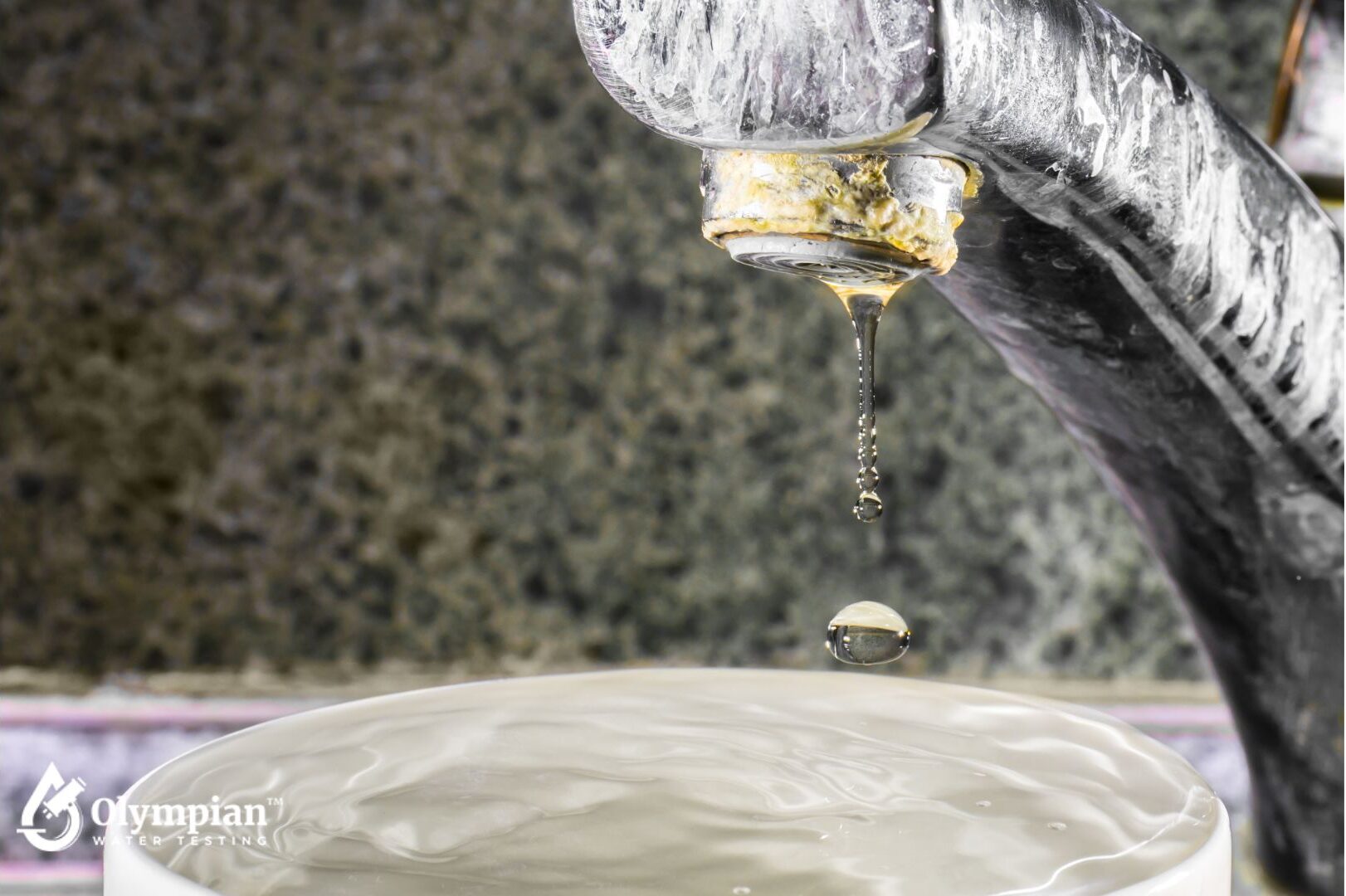
White or chalky patches on faucets often mean high mineral levels. These deposits, or limescale, can block water flow and make hot drinks take longer. They also affect nyc water quality, which can be bad for older pipes. Fixing these issues can save you money on appliances in the long run.
| Hard Water Effects | Potential Impact |
|---|---|
| 24% drop in water heater efficiency | Increased utility and maintenance expenses |
| Tankless heater clogs in 1.6 years | Early part replacements and service calls |
| Higher detergent use | Up to 70% more needed for dishwashing |
| Scale buildup | Strains appliances and raises energy demands |
NYC Water Hardness Levels Explained
We measure water hardness by looking at dissolved minerals in milligrams per liter (mg/L) and grains per gallon (gpg). New York City’s water is about 4 gpg, which is soft to moderate. This level keeps the water taste mild but adds calcium and magnesium, important minerals, in different amounts. It’s important to know these levels before deciding on water treatment or home care.
How to Interpret Water Hardness Measurements
Water is categorized based on certain levels. Soft water is 0 to 50 PPM, moderate is up to 200 PPM, and hard is over 200 PPM. The same goes for gpg: below 7 is soft, and above 7 means more mineral buildup. Knowing these helps families and businesses spot plumbing and product issues.
Geographic Variation in NYC
The city gets most of its water from the Catskill and Delaware Watersheds, which have low minerals. The Croton Watershed sometimes adds more minerals, but it’s not very hard. Each borough gets water from these sources in different ways, leading to slight differences in tap water quality. We suggest regular checks to see if hard water affects certain areas.
| Hardness Category | Parts Per Million (PPM) | Grains per Gallon (GPG) | Example Cities | Household Impact |
|---|---|---|---|---|
| Soft | 0‒50 | 0‒3 | Seattle, WA | Little residue, efficient soap lather |
| Moderate | 51‒200 | 3‒7 | New York City | Mild scaling, moderate soap usage |
| Hard | 200+ | 7+ | Las Vegas, NV | Increased buildup, higher soap needs |
| Very Hard | 300+ | Over 14 | Phoenix, AZ | Frequent clogging, appliance strain |
Health Impacts of Hard Water in New York City
Minerals in our water can make some people wonder about dryness or minor irritation. But, scientific studies say these levels are safe for most people. Our tests show that small amounts of calcium and magnesium might even be good for you.
Some folks might choose to use softened water, even if it’s not necessary. We’ve talked to the Department of Environmental Protection. They say the minerals in our water are well below what’s considered hard.
Our team’s analysis agrees with them. Skin and hair dryness is usually mild. It can be handled with simple care routines. We’re here to help schools, businesses, and homes with the right info and tests.
| Hardness Level (mg/L) | Potential Impact |
|---|---|
| 0 – 50 (Typical NYC) | Minimal residue; safe for drinking |
| 50 – 120 | Occasional dryness for some users |
| 120+ | Increased scale buildup; stronger taste |
Impact on Home Appliances and Plumbing
Hard water can build up in dishwashers and washing machines. This makes them less effective at cleaning and can make clothes stiff. Scale, a thick residue from minerals, can also harm appliances and increase electricity bills. It’s key to monitor nyc water hardness levels.
There are ways to fight these issues. Flushing the water heater can help remove mineral buildup. Regular maintenance keeps pipes clear and water flowing well. Our team helps clients manage nyc water hardness levels through testing and advice.
Preventing Scale Buildup
Regular checks and treatments can stop mineral buildup. Using mild chemicals or in-line filters helps. A water softener system can also replace minerals with sodium, reducing residue and improving performance.
Maximizing Appliance Lifespan
Preventative methods and expert advice can extend appliance life. Installing a softening unit can help keep plumbing lines clear. We aim to educate everyone on protecting their systems, ensuring they work efficiently.
NYC Tap Water Analysis: Is It Safe to Drink?
We check our water often and use advanced methods to find harmful stuff. We look for germs, chemicals, and how clear it is. New York City’s water meets high health standards.
We keep an eye on new rules, like those about PFAS. These chemicals are getting a lot of attention from the government.
Our tests show PFAS levels are very low in our reservoirs. But, almost half of the country’s water has PFAS. We use strong filters and check places that might pollute our water. If you’re worried, you can get your water tested or use a filter at home.
We want to help you make smart choices about your water. If you want to know more, you can get your water tested. This will give you peace of mind about the water you drink.

NYC Water Testing Procedures
We take strict steps to ensure our water is safe for everyone. The city gets about 1.1 billion gallons from the Catskill and Delaware watersheds. But, old pipes can corrode, leading to concerns about lead and copper.
We aim to give every home and business accurate test results. These results must meet recognized standards.
Guidelines and Standards
We stick to federal and state rules. These rules limit harmful chemicals like arsenic and nitrate. Municipal facilities use chlorine to kill bacteria, but this can create harmful byproducts.
Our teams collect samples and test them in certified labs. For more information, check out the official NYC water FAQ page.
How Residents Can Request Tests
City residents can ask for official tests through local agencies. Or, they can get private tests from our licensed pros. If your pipes are old or your water looks different, it’s a good idea to test it often.
Also, watch for any changes in smell or taste. A simple call or online form can get you a detailed analysis.
| Test Type | Parameter | Concern |
|---|---|---|
| Lead & Copper | 0-15 ppb (parts per billion) | Corrosion in aging pipes |
| Nitrate | Below 10 mg/L | Risk for infants (blue baby syndrome) |
| Arsenic | Below 10 ppb | Long-term exposure hazards |
Comparing NYC’s Water Quality Report to Other Cities
We compare the nyc water quality report to other cities. New York State leads in water quality violations, with 53.3% of people possibly drinking contaminated water. This includes 365,865 acute issues and over 10 million broader violations. Our tests show some contaminants are above safe levels.
We check over 250 possible threats in NYC’s water. Looking at the nyc water quality report next to other areas, we see older systems face more problems. New Jersey, for example, deals with lead and PFAS. This is because older systems increase the risk of contamination.
New Jersey’s suburban areas use modern filters to fight nitrate from farms. NYC, with its vast watershed, has softer water and fewer scaling issues.
Differences in Hardness Levels
Older cities might have harder water, but NYC’s is generally softer. Newark, for instance, has higher hardness and also deals with metal contamination.
Consumer Perceptions of Taste and Safety
Some people think softer water tastes cleaner. Others worry about the smell of disinfectants. Our detailed guide offers more insights into these standards.
- NYC’s water is softer than many urban supplies
- New Jersey sees varied outcomes based on aquifer conditions
- Outdated pipes heighten metal leaching
| Location | Hardness Range | Key Concern |
|---|---|---|
| NYC | Soft (Low mineral content) | Disinfection Byproducts |
| Newark, NJ | Moderate | Lead Contamination |
| Suburban NJ | Variable | Agricultural Runoff |
How Climate Influences Hard Water in NYC
New York’s weather changes a lot, with heavy rain and sometimes drought. Heavy storms can quickly raise water levels in reservoirs, making the water softer. But when it doesn’t rain, minerals in the water can build up, making it harder.
Our team looks at these changes when planning for the future. We know about 14 climate hazards in New York State. Flooding alone costs the city about $129.9 million each year. With 1.1 billion gallons of water used daily, we must be ready for changes in water quality.
We work on solutions like upgrading reservoirs and improving how water flows. This helps keep water safe for everyone. Changes in weather can affect water quality, but we can track these changes closely.
| Climate Factor | Effect on Water Hardness | Notable Observations |
|---|---|---|
| Heavy Rain | Less Mineral Concentration | Dilution occurs in reservoirs |
| Drought | Increased Mineral Density | Reduced flow boosts hardness |
| Temperature Shifts | Fluctuating Mineral Levels | Alters water chemistry stabilization |
Tips for Maintaining Your Water Quality at Home
We’re proud to help schools, businesses, and families keep their water safe. The Institute of Medicine says women need over 11 glasses of water a day. Men should drink 15. Testing is key to ensure every drink is safe.

Filtration Options to Consider
Installing an activated carbon filter can help remove chlorine and bad tastes. Reverse osmosis systems block most dissolved solids, including lead and nitrates. Always check product certifications before buying brands like Brita or Aquasana.
Basics of Water Softening Systems
Water softeners use ion-exchange resin to reduce scale buildup. This can make fixtures last longer and appliances work better. Before setting up a system in schools or big buildings, talk to a certified expert.
Simple DIY Solutions
Rinsing faucet aerators or showerheads with white vinegar can improve water flow. Even small steps can help keep water quality good, like for those relying on private wells. Regular care ensures cleaner water.
Noteworthy News on NYC Water Regulations
There’s been a lot of action at the state level to improve water systems. Governor Kathy Hochul wants to spend $500 million on new projects. These projects aim to meet modern safety standards, like replacing old lead lines.
Environmental groups want to increase this amount to $600 million. They believe this could help smaller communities with high repair costs.
Our team is committed to sharing important updates on policy changes and campaigns. There are new rules on lead levels and deadlines for replacing old pipes. This effort includes public funding, thanks to the Bipartisan Infrastructure Law (BIL).
Recent Legislative Updates
Lawmakers are tackling health risks in older neighborhoods with old pipes. Now, public water systems must find and replace bad service lines within ten years. This could impact up to nine million homes across the country.
Public Health Campaigns
There’s ongoing outreach to schools, property owners, and businesses. Sessions are helping people understand water testing and how to replace lead parts. These efforts show the city’s dedication to clean water.
| Program | Allocation | Focus |
|---|---|---|
| Governor Hochul’s Budget | $500M | Water infrastructure improvements |
| Advocates’ Proposal | $600M | Expanded upgrades statewide |
| BIL Funding | $15B over five years | Lead line replacement grants |
Addressing Common Misconceptions About Hard Water
Many believe that any minerals in water make it unsafe. But, our experience shows that’s not always true. Mineral levels, or hardness, don’t always mean danger. Even areas with small amounts of calcium and magnesium can be safe, according to the NYC Department of Environmental Protection (DEP).
We aim to separate fact from fiction. This helps people make better choices about their water use and how to filter it.
Some think that just by controlling hardness, water becomes pure. But, many things can affect water quality. For example, in 2005, an E. coli outbreak from raw milk led to serious health issues. This shows that contamination can come from many sources, not just minerals.
Also, energy issues in the U.S. affect nearly 30% of homes, including 28% in New York City. This makes keeping appliances and water heaters in good shape harder.
We work to clear up these misunderstandings with detailed testing and clear reports. Water chemistry is important, but minerals alone don’t tell the whole story. We believe in talking with experts to understand the small differences in water content. This keeps us healthy and at peace.
Future Outlook: Rethinking NYC’s Water Infrastructure
We see a big change coming in how we handle water in New York City. The city has 7,500 miles of sewer pipes that mix stormwater and sewage in 60% of the system. With flooding expected to get worse, we’re looking at new ways to protect our communities and resources.
Our sewer system is a big problem, but we’re exploring new solutions. We’re excited about the future of green technologies and how they can help us. These technologies include advanced filters and energy-saving units.
Emerging Green Technologies will help tackle rising challenges by introducing advanced filtration (systems that remove microscopic contaminants) and renewable energy-driven units. We anticipate a continued emphasis on nature-based infrastructure, with wetlands and bioswales designed to absorb storm surges. Field tests show these projects could cut overflow significantly when integrated with existing treatment plants.
Public-Private Partnerships are also on the rise. We’re seeing more teamwork between the Department of Environmental Protection and engineering firms. This partnership is helping to fund upgrades and bring new ideas to the table.
For example, we’re exploring decentralized treatment pods in crowded areas. This approach is moving forward thanks to the collaboration between city agencies and innovative companies.
| Initiative | Target Completion | Key Impact |
|---|---|---|
| Long-Term Control Plans | Mid-2030s | Reduces annual combined sewer overflows |
| Nature-Based Solutions | Ongoing | Boosts flood absorption and water quality |
| Desalination Pilots | 2026–2028 | Expands sustainable drinking water options |
Staying Informed and Keeping Your Water Safe
We urge every New York City resident or organization to stay updated on NYC water news. It’s important to review annual water quality reports. These reports are required for systems with 15 or more connections.
They detail contaminants, water hardness, and state guidelines on contaminant levels. This information is key to understanding your water’s safety.
Keep an eye out for building notices and local bulletins on water advisories. Winter storms and old pipes can cause sudden pressure drops. This might lead to short-term boil alerts.
Corrosion in fixtures can also lead to lead leaching into tap water, more so in older homes. To prevent this, chemicals like zinc orthophosphate are used. But, it’s always good to be extra careful.
We’re here to help with precise, certified testing and advice. Our goal is to keep plumbing systems free from scale buildup and hard water effects. Together, we can protect the city’s water supply for the future.
FAQ
Does NYC have hard water?
New York City’s tap water is often soft, thanks to its upstate reservoirs. But, some neighborhoods have moderate mineral levels, making water hard. It’s good to check water hardness levels in NYC sometimes.
What does “hard water” mean?
Hard water has a lot of calcium and magnesium. These minerals can cause buildup in pipes. Even a little bit can leave deposits on fixtures and appliances.
Why is New York City water commonly described as soft?
NYC’s water comes from surface reservoirs with low minerals. Groundwater sources have more minerals. So, while most NYC water is soft, some areas have harder water. It’s important to know about NYC water quality.
How can I tell if I have hard water in my home?
Look for chalky residue around faucets or showerheads. Also, check for soap scum on bathroom surfaces. These signs are more common in areas with higher water temperatures or slower evaporation.
Is it safe to drink NYC tap water if it’s slightly harder?
NYC tap water is safe to drink, even with some minerals. The Department of Environmental Protection and other agencies confirm this. But, if you’re worried, you might want to test your water or use a filter.
Will hard water damage home appliances or plumbing?
Minerals can build up in pipes and appliances over time. This can make them less efficient and even shorten their life. Even though NYC water is generally softer, some areas may need preventative measures.
Can I reduce water hardness in my household?
Yes, you can. Use water softening systems or in-line filters to remove minerals. You can also try DIY methods like soaking fixtures with vinegar. We can help you find the best solution for your water quality concerns.
How do I get my NYC water tested for hardness?
You can get certified water testing from organizations like ours. Or, ask for a free sampling kit from local agencies. This will help you understand your water hardness and make informed decisions.
Shedule Your Test Now!
Share this on social media:
Facebook
Twitter
LinkedIn

Related Posts