Understanding Wyoming’s Water Sources
Wyoming’s water sources are vital for communities and daily life. They come from rivers, reservoirs, and underground aquifers. The mix of surface and groundwater is key to maintaining drinking water quality. It relies on careful management and oversight.
Small towns and big cities alike benefit from these diverse supplies. This ensures a steady supply for all.
Municipal Water Infrastructure
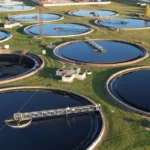
Public systems often tap into local rivers or man-made lakes. They store water in treatment facilities. These facilities protect against contamination and control mineral levels.
Operators use various methods like filtration and chlorination. This helps address common water quality concerns. Residents rely on these systems for consistent water supply and peace of mind.
Some municipalities also use wells to supplement their surface water. These wells draw from local aquifers. This strategy helps maintain a steady water supply, even during dry seasons.
Private Wells Across the Region
In rural areas, many homes rely on private wells. These wells tap into deep aquifers. The quality of drinking water can vary due to lack of regulation.
Well owners must regularly test and maintain their wells. This is to detect bacteria or other hazards. While private wells offer independence, they require extra care and diligence.
Tap Water in Wyoming: Key Factors to Consider
Many residents in Wyoming look for safe drinking water, but local geology affects tap water quality. The Wyoming Department of Environmental Quality (DEQ) works with the U.S. Environmental Protection Agency (EPA). Together, they set standards to protect health and safety.
Regulatory Standards
The Safe Drinking Water Act (SDWA) allows agencies to control contaminants in tap water. Wyoming’s DEQ can enforce stricter guidelines than federal rules. This ensures surface waters are safe for various uses. People interested in water quality often check this water safety resource for more information.
Common Minerals and Sediments
Wyoming’s groundwater often has calcium and magnesium. The state’s water hardness averages 120 parts per million (ppm). Casper’s water is the hardest at 208 ppm, while Gillette’s is the softest at 10 ppm.
Cheyenne’s water is 110 ppm, causing some scale buildup but rarely health risks. Knowing these mineral levels helps keep Wyoming’s drinking water safe. It also protects household systems over time.
Potential Contaminants to Watch For
Water samples in this region may show traces of chemicals linked to industrial operations and farm runoff. Substances like nitrate and chromium appear when nearby facilities discharge waste into local watersheds. TTHMs can form during chlorine-based treatments, raising concerns about long-term consumption.
Public interest in emerging pollutants continues to grow. PFOS and PFOA, categorized as PFAS compounds, resist breaking down in the environment. This persistence prompts experts in Wyoming water treatment to study their impact on health. Haloacetic acids surface when disinfectants react with organic matter, underscoring the value of consistent monitoring and maintenance.
Cautious households stay informed by checking reliable resources that detail contaminants in Wyoming tap water. Routine reviews of Consumer Confidence Reports offer insights on water quality trends. Healthy lifestyle choices begin with knowledge about these risks. This is why gathering data on these contaminants matters for families across the state.
Impact of Population Density on Water Quality
Population distribution significantly influences the availability of resources for water treatment and monitoring. In densely populated areas, systematic checks are essential to adhere to safety standards. In contrast, sparsely populated regions face challenges in maintaining consistent oversight.
The growing concern over rural water quality has highlighted the need for regular inspections and upgrades. Wyoming’s water regulations offer guidance for both well owners and city officials to ensure safe water practices. Yet, the approach varies based on the geographic density.
Rural Challenges
Rural communities often struggle due to limited infrastructure. Well owners bear the cost of testing and treatment, and small water districts operate on tight budgets. This reliance on personal initiative introduces uncertainty when contaminants threaten household water supplies.
Urban Considerations
In larger cities like Cheyenne and Casper, centralized systems undergo regular evaluations. Despite this, pipes and storage facilities require ongoing maintenance. The cost of chlorination and filtration techniques is a recurring expense, and aging equipment can lead to unexpected maintenance costs.
Below is a snapshot of how population density often correlates with water source choices and oversight plans.
Location | Population Density | Primary Water Source | System Type |
Cheyenne | High | Municipal Reservoir | Centralized Testing |
Casper | Moderate-High | Surface Water + Wells | Regular System Checks |
Rural Counties | Low | Private Wells | Owner-Funded Testing |
Health Risks and Warning Signs
Elevated nitrate levels and harmful bacteria like E. coli have been found in Wyoming, causing concern. Infants are at risk of nitrate-related conditions, including methemoglobinemia, which affects blood oxygen levels. Industrial facilities releasing wastewater into waterways can lead to skin irritations, respiratory issues, or increased cancer risks. These findings highlight the need to stay informed about Wyoming tap water health risks.
Unusual tastes and foul odors can indicate contamination. Water that appears cloudy or has a strange smell requires immediate attention. Those who receive Wyoming drinking water alerts are advised to seek professional testing or guidance from local environmental agencies. Awareness is key to preventing illness, so residents should track regional bulletins and watch for any changes in their water supply.
Testing and Treating Your Home Drinking Water
Pure water at home can significantly reduce health concerns and enhance overall well-being. Regular tap water quality checks inform families about possible risks. Detailed analysis uncovers issues like pH imbalances and high nitrate levels.
home water testing Wyoming is a practical method to identify problems early. Basic kits detect common issues and help homeowners choose the right Wyoming water treatment solutions. Test strips and vials guide users through measuring clarity, mineral traces, and other key factors.
DIY Test Kits
DIY methods detect typical contaminants and provide quick results. Some brands offer color-coded charts to simplify pH and nitrate readings. For deeper evaluations, families may opt for advanced testing for lead or heavy metals.
Professional Water Treatment Options
Experts from companies like Culligan or other reputable firms design custom filtration and reverse osmosis setups. They often recommend UV systems for bacterial threats. Wyoming water treatment solutions address hardness and other issues, improving taste and safety at home.
Wyoming’s Water Regulations and Policies
The Environmental Protection Agency sets nationwide standards for water quality. The Wyoming Department of Environmental Quality oversees these standards within the state. Public systems conduct frequent assessments and inform residents if health benchmarks are not met. This aligns with the Safe Drinking Water Act in Wyoming, safeguarding local communities from hidden dangers.
Recent efforts highlight the need for lead service line tracking. Reports show aging pipes in certain areas, leading to quicker replacements and early warnings. State officials stress that Wyoming DEQ regulations guide water providers to reliable testing and clear reporting. Experts monitor chemical use in industrial settings, protecting water sources from pollution. These actions help households stay informed and reduce risks.
Regulation or Policy | Oversight Agency | Key Focus |
Safe Drinking Water Act | Environmental Protection Agency | Foundation of water safety standards |
Lead Service Line Inventory | Wyoming DEQ | Identification and replacement of outdated pipelines |
Influence of Environmental Factors
Statewide, unique conditions emerge from local weather patterns and geology. Residents closely monitor these changes, which can impact their drinking water. Experts stress the importance of addressing these shifts to ensure safe hydration.
Seasonal Variations
Snowmelt and rainfall can significantly alter the mineral and sediment balance in streams. This change often affects water clarity, taste, and sediment buildup in household taps. Regular seasonal water testing is essential to catch these changes early and implement effective treatment.
Climatic and Geological Impact
Temperature fluctuations, precipitation, and bedrock composition can influence mineral levels underground. Some wells reveal distinct mineral profiles, such as calcium or magnesium. These elements contribute to Wyoming water quality changes, underscoring the necessity for continuous monitoring.
Factor | Potential Effect | Suggested Action |
Heavy Snowmelt | Higher Sediment Levels | Install Extra Filtration |
Drought | Concentrated Mineral Content | Use Regular Testing Kits |
Proactive Measures for Safe Drinking Water
Wyoming residents can protect their tap water by staying informed and supporting local initiatives. The U.S. Environmental Protection Agency has allocated over $42 million to upgrade infrastructure through the Bipartisan Infrastructure Law. Almost half of these funds are grants or principal forgiveness loans.
Funds are directed to the EPA’s WIFIA program, improving water treatment facilities that protect public health in Wyoming. Community members can advocate for regular testing and participate in public events that focus on water conservation in Wyoming. This collective effort aims to ensure quality water supplies, even during low rainfall periods.
- Support local facility upgrades for cleaner water
- Conserve household water usage
- Promote community testing initiatives
Implementing water-saving measures and home filtration systems can enhance trust in municipal water systems. Each action contributes to healthier homes and encourages discussions on improvements for future generations.
Action | Advantage |
Attend public forums | Influence policy decisions |
Install efficient fixtures | Reduce water bills |
Ensuring Peace of Mind for Wyoming Residents
Across the state, people can stay informed and confident by reviewing annual water quality reports from local utilities. The City of Casper exemplifies accountability with its Drinking Water Quality Report each year. Other towns in Wyoming also release Consumer Confidence Reports, promoting Wyoming water safety.
Frequent updates on water treatment methods and emerging contaminants are essential. They help households use safe tap water practices. Simple steps like testing private wells and tracking state regulations reduce risks. Staying connected with local agencies boosts trust in water sources.
By working with experts and supporting ongoing improvements, Wyoming communities maintain healthy living conditions. This effort strengthens public health, community morale, and long-term resource management across the region.
FAQ
Is Wyoming tap water generally safe to drink?
Wyoming’s tap water is considered safe, thanks to the Safe Drinking Water Act and the EPA’s oversight. Public water systems test regularly, using methods like chlorination and filtration. Private wells, though, require frequent testing by owners to ensure safety.
Which water sources does Wyoming mainly rely on?
Wyoming’s public water systems draw from both surface water and groundwater. Municipal facilities use corrosion control and filtration to remove minerals and sediments. In contrast, rural areas often rely on private wells, necessitating individual testing and maintenance.
What are the main contaminants found in Wyoming’s water?
Wyoming’s water may contain nitrates, haloacetic acids, E. coli, and industrial pollutants like PFOS and PFOA. Disinfection byproducts can also form, mainly in systems with heavy chlorination. Checking local Consumer Confidence Reports (CCRs) helps stay updated on contaminant levels.
How does water hardness affect households?
High water hardness, caused by calcium and magnesium, can lead to scale buildup in pipes and appliances. Though not harmful to health, it can reduce water heater efficiency and cause deposits. Regular testing and a water softener can help manage these issues.
Why is nitrate contamination in private wells a concern?
Nitrates in private wells can come from agricultural runoff and geological conditions. High levels pose health risks, including methemoglobinemia in infants. Regular testing and professional treatment are essential if nitrate levels exceed safe standards.
Are lead service lines an issue in Wyoming?
Wyoming must inventory lead service lines by federal mandate. While many have been replaced, some may remain in smaller systems. Residents can check reports or consult plumbers to identify and address lead line risks.
What steps can rural communities take to maintain water quality?
Rural areas and private well owners should test regularly for E. coli, nitrates, and other pollutants. Investing in filtration systems or reverse osmosis units can eliminate bacterial threats. Community efforts and local support are vital for funding improvements.
How do seasonal changes affect tap water in Wyoming?
Spring snowmelt can increase sediment loads, requiring stronger filtration. Droughts can concentrate minerals in groundwater. Regular testing and coordination with local systems ensure water quality remains consistent.
Why are Consumer Confidence Reports important?
These reports detail the quality and safety of drinking water, including details on disinfection byproducts and compliance with EPA standards. Municipalities share this information to keep residents informed about water quality and any necessary actions.
What are some effective water treatment options for Wyoming households?
DIY test kits provide a quick overview of contaminants, while professional testing detects emerging chemicals. Whole-house filtration, reverse osmosis, and UV units address various issues. Choosing the right treatment depends on the water source and test results.