Top Water Filters for Lead Removal
- Published:
- Updated: January 17, 2025
Listen to this article
Summary
Lead contamination in water is a serious health risk, and effective filtration is crucial to mitigate its impact. This article discusses the top water filters for lead removal and the importance of choosing the right one to protect health and improve water quality.
Key Points:
- Health Risks of Lead Exposure: Even low levels of lead can cause serious health problems, particularly in children, making effective filtration essential.
- Types of Filters: Reverse osmosis, activated carbon, and ion exchange filters are effective for lead removal, each with distinct advantages and maintenance needs.
- Cost and Maintenance: High-quality systems may require a higher initial investment but offer long-term benefits, including health savings and improved water quality.

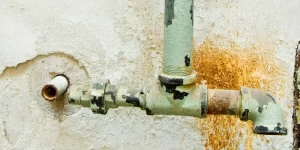
Lead contamination in water primarily stems from plumbing materials, including pipes, faucets, and fixtures. These materials, often used in older homes and buildings, can gradually break down over time, releasing lead particles into the water supply. The corrosion of these materials, often exacerbated by acidic or low-mineral water, leads to lead leaching into the water supply. This process is further accelerated by changes in water chemistry, such as pH and temperature fluctuations, which can destabilize the protective coatings inside pipes and fixtures, increasing the risk of lead exposure.
Long-term exposure to lead can result in severe health complications, particularly in children, affecting neurological development and causing cognitive impairments. Studies have shown that even low levels of lead exposure can lead to behavioral problems, learning disabilities, and decreased IQ in children. In adults, lead exposure is associated with hypertension, cardiovascular issues, and reduced kidney function. Understanding the sources and effects of lead contamination is crucial in developing effective strategies for prevention and remediation.
Health Impacts of Lead Exposure
The Centers for Disease Control and Prevention (CDC) asserts that there is no safe level of lead exposure. This zero-tolerance stance is based on extensive research indicating that any amount of lead in the bloodstream can be harmful. Chronic ingestion of lead-contaminated water can result in anemia, kidney damage, and reproductive issues, emphasizing the necessity of mitigating this risk through reliable filtration systems. Pregnant women are particularly vulnerable, as lead exposure can lead to complications such as miscarriage, premature birth, and developmental issues in infants.
Furthermore, communities with aging infrastructure and limited access to modern plumbing systems are often disproportionately affected by lead contamination. Addressing these health disparities requires a multi-faceted approach that includes public education, infrastructure investment, and the implementation of effective water filtration solutions. By prioritizing lead removal from drinking water, we can significantly reduce the associated health risks and improve the quality of life for affected populations.
Criteria for Selecting Water Filters

When selecting a water filter specifically for lead removal, it is essential to consider the following criteria:
- Certification: Filters should be certified by reputable organizations such as NSF International, which evaluates the efficacy of water treatment products. Certification ensures that the filter has been rigorously tested and proven to meet established safety and performance standards. Consumers should look for filters that specifically state their effectiveness in reducing lead levels, as not all filters are designed to target this contaminant.
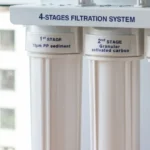
- Filtration Technology: The filter should employ effective technologies such as activated carbon, reverse osmosis, or ion exchange, known for their lead removal capabilities. Each technology has its own strengths and weaknesses, making it important to understand how they work and which is best suited for specific water quality issues. Advanced filtration systems often combine multiple technologies to maximize contaminant removal and provide comprehensive water purification.
- Capacity and Maintenance: Consider the filter’s capacity to handle your household’s water usage and the maintenance requirements for optimal performance. Filters with higher capacity are better suited for larger households or those with high water consumption needs. Regular maintenance, including timely filter replacements, is crucial to ensure the system continues to operate efficiently and effectively over time. Understanding the long-term maintenance needs and costs associated with each system can help in selecting the most cost-effective and reliable option.
Top Water Filters for Lead Removal
1. Reverse Osmosis Systems
Reverse osmosis (RO) systems are renowned for their comprehensive filtration capabilities, effectively removing up to 99% of contaminants, including lead. These systems utilize a semipermeable membrane to separate lead particles from water, providing an additional carbon filter for enhanced purification. The multi-stage process ensures that not only lead but also other harmful substances such as arsenic, fluoride, and nitrates are effectively removed, making RO systems a popular choice for whole-house water filtration.
Advantages of Reverse Osmosis:
- Comprehensive Filtration: Removes a broad spectrum of contaminants, including heavy metals, bacteria, and viruses. This makes RO systems ideal for areas with multiple water quality issues, providing peace of mind for homeowners concerned about various pollutants in their drinking water.
- Improved Taste and Odor: Eliminates chlorine and other impurities affecting water taste and odor. By removing these substances, RO systems enhance the overall quality and palatability of drinking water, encouraging higher water consumption and better hydration.
While RO systems are highly effective, they do require significant water pressure and can result in water waste due to the flushing process. It’s important to consider these factors and assess whether your home’s plumbing system can accommodate an RO unit.
2. Activated Carbon Filters
Activated carbon filters, available in various forms such as pitcher filters, faucet attachments, and under-sink units, are widely used for lead removal. These filters utilize adsorption, where lead particles adhere to the porous carbon surface, effectively reducing lead content. The versatility and affordability of activated carbon filters make them an accessible option for many households, particularly those looking for a simple and cost-effective solution.
Advantages of Activated Carbon:
- Cost-Effective: Generally more affordable compared to other filtration systems. This makes activated carbon filters an attractive option for budget-conscious consumers who still want reliable lead removal capabilities.
- Ease of Installation: Can be easily installed and replaced without professional assistance. The user-friendly design of many activated carbon filters means that homeowners can quickly and easily implement them without the need for specialized tools or training.
It’s important to note that while activated carbon filters are effective at reducing lead, they may not remove all types of contaminants. Therefore, they are best used in conjunction with other filtration methods for comprehensive water treatment.
3. Ion Exchange Filters
Ion exchange filters operate by exchanging lead ions in the water with harmless ions, such as sodium or potassium. This method is particularly effective for lead removal and is often integrated into multi-stage filtration systems. Ion exchange technology is widely used in both residential and industrial applications due to its precision and scalability.
Advantages of Ion Exchange:
- Targeted Contaminant Removal: Highly effective at removing specific contaminants, including lead. By focusing on exchanging harmful ions with benign ones, ion exchange filters can offer targeted and efficient water purification.
- Scalability: Suitable for both residential and industrial applications. The ability to scale ion exchange systems makes them an ideal choice for larger facilities or communities seeking to address widespread lead contamination issues.
However, ion exchange filters require regular maintenance to regenerate the resin bed and ensure continued effectiveness. Understanding the maintenance requirements and associated costs is essential when considering this option.
Considerations for Implementation
Installation and Maintenance
When implementing a water filtration system for lead removal, it is crucial to follow the manufacturer’s installation guidelines and adhere to maintenance schedules. Proper installation is key to ensuring the system operates as intended and provides maximum contaminant removal. Regular filter replacements are necessary to ensure continued efficacy and to prevent potential clogging or reduced filtration capacity. By adhering to recommended maintenance schedules, homeowners can extend the lifespan of their filtration system and maintain optimal water quality.
It’s also beneficial to periodically test the water quality to ensure the filtration system is functioning correctly. This can help identify any issues early on and ensure that corrective measures are taken to address any deficiencies.
Cost Analysis
While initial costs for systems like reverse osmosis may be higher, their long-term benefits in providing safe drinking water and reducing health risks are invaluable. Conduct a cost-benefit analysis to determine the most suitable system for your needs, factoring in replacement costs and maintenance requirements. Investing in a high-quality water filtration system can lead to significant savings on healthcare costs and potential property damage caused by lead contamination.
Additionally, some municipalities and organizations offer rebates or incentives for installing water filtration systems, which can help offset initial expenses. Exploring these options can make implementing a reliable water filtration solution more financially feasible.
Conclusion
Ensuring access to safe drinking water is a fundamental human right, and selecting the appropriate water filter for lead removal is a pivotal step in achieving this goal. By understanding the intricacies of lead contamination and the capabilities of various filtration systems, individuals and communities can make informed decisions to protect their health and well-being. Knowledge of water quality issues and filtration technologies empowers consumers to take proactive steps in safeguarding their water supply.
Through the implementation of certified, effective water filters, we can collectively mitigate the risks associated with lead exposure, fostering a healthier environment for current and future generations. As an expert in the field, I am committed to providing reliable information and practical solutions to address water quality challenges, empowering readers to take actionable steps towards safe and sustainable water consumption. By prioritizing clean water initiatives and supporting the development of advanced filtration technologies, we can ensure that everyone has access to safe, lead-free drinking water. By raising public awareness about the importance of regular lab test water assessments, we can identify contamination issues before they become critical health hazards. Additionally, collaborating with community organizations and local governments can enhance outreach efforts, promoting the availability of resources for families to obtain these crucial tests. Together, we can create a proactive approach to water safety, ensuring that households are informed and equipped to protect themselves from harmful contaminants like lead.
Share this on social media:
Facebook
Twitter
LinkedIn