How to Conserve Water 5 Practical Tips
- Published:
- Updated: December 24, 2024
Listen to this article
Summary
Water conservation is essential to addressing the global water scarcity crisis. This article provides five practical tips to help individuals reduce water usage, improve efficiency, and contribute to sustainability. Simple actions, such as fixing leaks, installing water-efficient fixtures, and using rainwater harvesting, can significantly reduce consumption. The integration of smart technologies and efficient water management strategies ensures lasting conservation results.
- Fix Household Leaks: Prevent significant water loss and reduce utility bills by addressing leaks promptly.
- Install Water-Efficient Fixtures: Upgrade to low-flow toilets, showerheads, and energy-efficient appliances to cut water usage.
- Embrace Water-Smart Landscaping: Use drought-resistant plants and efficient irrigation methods to reduce outdoor water consumption.
- Reduce Water Usage in Daily Activities: Practice water-saving habits like turning off taps when not in use and using water-efficient appliances.
- Collect and Reuse Rainwater: Harvest rainwater for non-potable uses to reduce dependence on municipal water systems.

Water is a precious resource. Yet, it’s often taken for granted.
Our daily routines involve numerous activities that consume water. From brushing our teeth to washing our clothes, water is integral to our lives.
However, the world is facing a water scarcity crisis. This crisis is not just about having less water. It’s also about the quality of the water we do have.
Water conservation is a crucial part of addressing this crisis. It’s about using water more efficiently and reducing wastage. It’s also about ensuring that our water remains clean and safe.
In this article, we’ll explore five practical tips on how to conserve water. These tips are easy to implement and can make a significant difference.
So, whether you’re a homeowner, a business owner, or simply someone who cares about the environment, read on. Let’s dive into the world of water conservation.
Understanding the Importance of Water Conservation
Water scarcity is a global issue. It’s driven by increased demand, climate change, and pollution. Many regions experience water shortages, affecting millions of people daily.
In this context, every drop counts. Individuals and communities play crucial roles in promoting water sustainability. Simple actions like reducing usage and fixing leaks can make a significant difference.
Water conservation also offers financial benefits. By using less water, households and businesses can save on their utility bills. These savings accumulate over time, making conservation an economically sound choice.
Moreover, conserving water leads to improved water quality. Less water waste means less strain on treatment facilities. This enhances the safety of the water supply and reduces pollution.
Regulatory standards further emphasize conservation’s importance. Many regions now enforce guidelines to ensure sustainable water use. Meeting these standards helps preserve resources for future generations.
Consider these key reasons to prioritize water conservation:
- Mitigating the effects of water scarcity.
- Encouraging community involvement in sustainability.
- Achieving cost savings through reduced water use.
- Enhancing overall water quality.
- Complying with regulatory standards for environmental protection.
This collective effort ensures a more sustainable future for all. Contributing to water conservation is both a responsibility and an opportunity.
Practical Tip #1: Fix Household Leaks Promptly
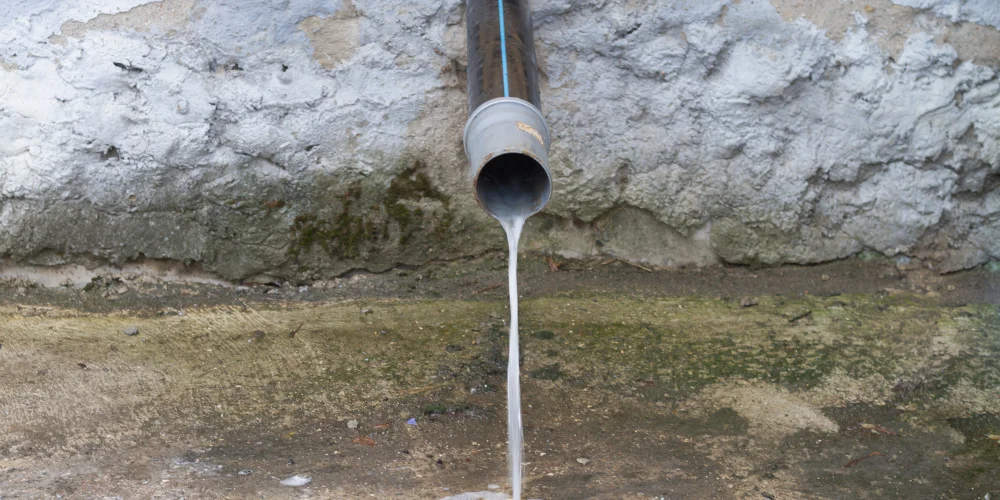
Leaks are a hidden enemy of water conservation. They’re a major source of wastage, often unnoticed until the bill arrives. An average household can lose up to 10,000 gallons a year due to leaks.
Detecting leaks is straightforward. Listen for dripping taps and check your water meter regularly. A spike in usage suggests a problem.
To address common leaks, start with visible plumbing. Inspect faucets, toilets, and showerheads for drips. Replace faulty components promptly to prevent further loss.
Some leaks require professional help. For instance, a leaky hot water system might need a plumber. Early detection can prevent extensive damage and expense.
Regular maintenance is crucial. Schedule routine inspections of fixtures and pipes. A simple tightening or sealant application may be all that’s needed.
Fixing leaks has several benefits:
- Reduces water waste significantly.
- Cuts down utility bills over time.
- Protects your home from water damage.
- Contributes to environmental preservation.
- Helps meet regulatory water conservation standards.
Pay attention to leaks to save water and protect your property. Prompt action not only conserves resources but also prevents larger issues. This small step impacts water conservation positively on many levels.
Practical Tip #2: Install Water-Efficient Fixtures and Appliances
Swapping out old fixtures for water-efficient ones is an effective conservation strategy. This change can significantly reduce household water use without compromising comfort. Low-flow toilets and showerheads stand out as simple but impactful solutions.
Low-flow toilets and showerheads are engineered to reduce water usage. They function by lowering the water flow rate while maintaining performance. This means you can conserve water with every flush and shower.
Modern appliances also play a crucial role in boosting water efficiency. Dishwashers and washing machines now come with eco-settings. These options use less water and energy, maximizing resource savings. Such features make newer appliances an excellent investment.
In addition to the environmental benefits, financial incentives often accompany these upgrades. Many municipalities offer rebates to encourage water-efficient installations. These programs can help offset the initial cost of purchasing efficient models.
Consider these benefits when upgrading:
- Cut overall water usage by up to 50%.
- Reduce monthly water and energy bills.
- Enhance the value and sustainability of your property.
- Qualify for rebates and reduce initial expenditure.
- Contribute to a collective effort toward sustainable water management.
Taking these measures brings immediate and long-term benefits. Efficient fixtures and appliances are easy to incorporate yet deliver significant savings. Prioritize water-efficient installations in your home to conserve and save. Your efforts contribute greatly to sustainable water use in your community.
Practical Tip #3: Embrace Water-Smart Landscaping
Water-smart landscaping is an excellent way to conserve water outdoors. This involves designing gardens that require minimal irrigation. Using drought-resistant plants is a key strategy in this approach.
Drought-resistant plants are naturally adapted to arid conditions. They thrive with little water, making them ideal for sustainable gardening. Incorporating these plants can significantly reduce your garden’s water needs.
Efficient irrigation systems further optimize water usage. Drip irrigation, for instance, delivers water directly to the plant roots. This method minimizes evaporation and ensures plants receive only the necessary amount.
Timing your irrigation can also enhance water conservation. Watering during the early morning or late evening reduces evaporation. Additionally, installing timers allows for precise and consistent watering schedules.
Aesthetically, sustainable gardening offers diverse opportunities. Native plants not only conserve water but also provide vibrant landscapes. They enhance biodiversity, attracting beneficial insects and wildlife.
Adopting water-smart landscaping has multiple advantages:
- Decrease outdoor water usage considerably.
- Foster habitats for local wildlife and enhance ecosystem health.
- Reduce yard maintenance time and effort.
- Lower water bills through decreased usage.
- Create resilient landscapes that adapt to climate fluctuations.
The beauty of sustainable gardening lies in its harmony with nature. By integrating these practices, you contribute to water conservation while crafting a scenic, thriving garden space. Your actions make a positive impact on both your immediate environment and the broader ecosystem.
Practical Tip #4: Reduce Water Usage in Daily Activities
Every day offers opportunities to save water with minor changes. Simple actions can have a significant impact on overall water consumption. Turning off the tap while brushing teeth or shaving can save gallons each day.
Educating family members is essential for consistent water-saving efforts. Discussing the benefits of conserving water can motivate everyone in the household. Encourage children to develop good habits, such as taking shorter showers.
Awareness in water usage should be part of everyday routines. Remind everyone to fully load dishwashers and washing machines. This ensures efficient water use and prevents unnecessary waste.
The true power of water conservation lies in habit. Small, mindful adjustments collectively contribute to significant water savings. Each person’s commitment to daily water efficiency helps sustain precious resources.
Actions to implement in daily routines:
- Turn off the water when not actively using it.
- Use a broom instead of a hose to clean driveways.
- Opt for quick showers instead of baths.
- Reuse leftover water from drinking glasses for plants.
- Regularly check for drips or leaks in faucets and fix promptly.
By making water conservation a regular part of life, you foster a culture of sustainability. These small daily changes play a vital role in long-term water management and environmental preservation.
Practical Tip #5: Collect and Reuse Rainwater
Rainwater harvesting is an ancient practice that is both simple and effective. It involves collecting and storing rainwater for later use. This can help supplement water needs and reduce demand on municipal water systems.
Before setting up a rainwater collection system, it’s important to research local regulations. Some regions have restrictions or guidelines on rainwater harvesting. It’s crucial to ensure your setup complies with local laws and safety standards.
Rainwater can be used creatively around the home. For non-potable purposes, such as watering plants or washing cars, it is ideal. It can also be used to fill fountains or outdoor water features, promoting sustainable living.
Consider these uses for harvested rainwater:
- Watering lawns and gardens during dry periods.
- Flushing toilets, reducing freshwater consumption.
- Cleaning household items like tools and patio furniture.
- Feeding pets in backyard habitats, supporting local wildlife.
- Refilling ponds to maintain ecosystem health.
By integrating rainwater into your household routine, you conserve water and decrease reliance on treated water supplies. This practice supports a sustainable lifestyle and contributes to environmental preservation. Adopting rainwater harvesting is a straightforward step toward efficient water management.
Leveraging Technology for Water Management
Technology is revolutionizing how we manage our water usage. Smart water meters are an innovative tool that provides real-time data on household consumption. These devices can detect leaks and track usage patterns, allowing homeowners to make informed decisions to conserve water.
In addition to smart meters, there are a plethora of apps and devices designed to monitor water usage. They can help you set goals and receive alerts when consumption exceeds targets. By leveraging these technologies, individuals can effectively manage their water use, leading to significant conservation efforts and cost savings in the long run.
Conclusion: The Ripple Effect of Water Conservation
Individual efforts in water conservation create a ripple effect that benefits entire communities. By implementing simple yet effective strategies, each person plays a crucial role in maintaining the health of our precious water resources. The collective impact of these actions leads to reduced strain on water systems and improved water quality.
Continued commitment to water conservation is essential for sustaining these positive outcomes. As we adapt to changing climates and growing populations, our dedication to efficient water use becomes even more critical. By fostering a culture of conservation, we ensure a sustainable future for generations to come.
Additional Resources and Further Reading
To expand your knowledge of water conservation, consider exploring resources from reputable water conservation organizations. These entities provide valuable insights and updates on the latest conservation strategies and technologies. Organizations such as the Environmental Protection Agency (EPA) offer detailed guides and information on sustainable water practices.
Conducting a home water audit is another effective way to enhance water efficiency. Numerous online guides are available to walk you through assessing your household’s water usage. By identifying areas for improvement, you can take actionable steps to further reduce water waste and optimize your water management efforts.
Share this on social media:
Facebook
Twitter
LinkedIn

Related Posts