How to reduce water usage in manufacturing
- Published:
- Updated: November 25, 2024
Listen to this article
Summary
It is important to have water in manufacturing, but we overuse it for environmental and economic reasons.
– Knowledge on the necessity of water efficiency in manufacturing process.
– Practical water efficiency tips and tricks.
– To learn how water efficiency is sustainable and economic.
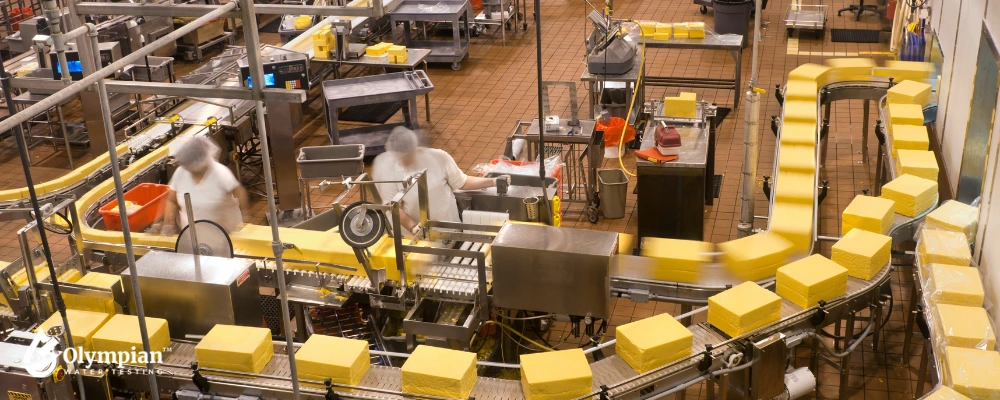
Water consumption can be cut by first doing a water audit. It finds out how the facility is utilizing water, where wastage occurs, and areas of improvement. With the consumption of water, manufacturers can see the inefficiencies and focus areas for improvement.
Water audits also track water usage cost, so organizations can see how much water reduction can save them. With visibility from an audit, manufacturers can make realistic expectations and follow on the way to sustainable water use.
Recycling and Reusing Water
Reusing and recycling water are the best means to save water. Process water is treated and reused so that manufacturers don’t need to use fresh water as much. There are technologies for reuse in the water – reverse osmosis, ultrafiltration, sedimentation, and so on.
Cooling water, for instance, can be reused several times, and waste water from one plant can be treated and recycled in another. Closed-loop systems saves the most water and reduces the overall carbon footprint of production lines.
Installing Water-Efficient Equipment
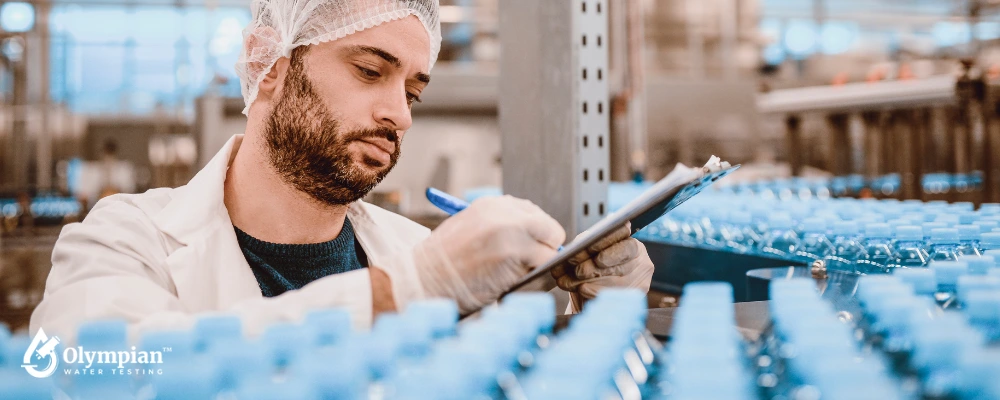
Adapting to water-saving machines is another easy way to save water in manufacturing. New machines consume less water than old models but have equal or greater productivity. High efficiency cooling towers, nozzles and water-saving pumps for instance cut water consumption without sacrificing performance.
Automating water systems is also more efficient since it can regulate flow and spot leaks in real-time. If you’re going to invest in more modern equipment, it may cost more in the beginning, but the savings on your water bill and green quotient is well worth the investment.
Optimizing Cooling Systems
A cooling system is among the biggest water consumers in the production process. The conversion to air-cooled systems, higher cooling tower efficiency or other cooling strategies can all save water. The systems also get regularly maintained, cleaning cooling towers and repairing worn components to keep them in proper working condition.
Reducing freshwater demand further by using non-potable or recycled water for cooling. The better the cooling, the less water used by the manufacturer while allowing the correct temperature in the plant.
Implementing Dry Cleaning Techniques
For those applications where cleaning is necessary, manufacturers can opt for dry cleaning methods that conserve water. Air knives, for example, or vacuums, or dry ice blasting, can be used in place of water-based cleaning in some cases. These methods use little or no water, so they save on water use.
High-pressure, low-volume systems for water-based cleaning: High-pressure, low-volume systems save water but don’t compromise cleaning power. Manufacturers will save water, keep the hygiene and safety at their peak, with cutting edge cleaning technologies.
Monitoring and Preventing Leaks
Leaking pipes and equipment is usually ignored but will end up costing you a lot of water in the long run. Maintenance on plumbing, machines and water tanks can help stop leaks and waste water by inspecting and checking them on a regular basis.
Adding sensors and monitoring devices to detect leaks earlier can also help water save money. Leak detection is faster and water is not only saved, but equipment and facilities are less damaged, which helps make things run more smoothly.
Teaching Employees about Water Saving Tips
It is important to develop in the organization a culture of water conservation to make sure the company will succeed. This kind of proactive water management is promoted by teaching workers how to save water and motivating them to spot inefficiencies.
Simple things such as shutting off water sources when not in use or calling leaks on an immediate basis can add up. Manufacturers can make water conservation a continual feature of every operation through participation by their employees.
With Water-Saving Chemicals and Additives.
Water-saving chemicals or additives can save water in some manufacturing processes. Anti-foaming agents or water purification chemicals, for example, can make the process more efficient, since you don’t need as much water to cool or wash it.
These additives save water by not having to change the water a lot or undergo additional treatment. Manufacturers can reach out to water treatment professionals for products that are right for their processes and water saving objectives.
Conclusion
The lowering of manufacturing water consumption is both sustainable and cost effective. Manufacturers can effectively conserve water without losing productivity by performing audits, reusing water, upgrading equipment and establishing a conservation culture. All of this makes the world a greener place and makes operations more efficient, making water savings for business and the environment win-win.
Share this on social media:
Facebook
Twitter
LinkedIn

Related Posts