Blue Tints in Your Brooklyn Tap Water: Causes and Solutions
- Published:
- Updated: January 18, 2025
Listen to this article
Summary
The blue tint in Brooklyn’s tap water is often due to copper corrosion in plumbing or algae presence. While it’s not always harmful, prolonged exposure to contaminated water can cause health issues. Identifying the cause and testing the water are key steps in addressing the problem. Residents experiencing discolored tap water should prioritize Brooklyn water testing to determine the specific contaminants present. By conducting thorough tests, homeowners can better understand whether the blue tint is linked to copper levels or other factors. Additionally, engaging local water quality services can help implement necessary measures to resolve any underlying plumbing issues and ensure safe drinking water for the community.
- High copper levels are the most common cause of blue water.
- Health risks include stomach issues, liver, and kidney damage with prolonged exposure.
- At-home solutions include flushing pipes and installing water filters.

The bright life of Brooklyn might be irresistible to the eye, but another hue captivates residents: a bewildering blue streak in their tap water. You might see it on first sight and immediately think that this is just a trick of the light or a glitch in your glasses, but we have observed it in several homes. It is a growing phenomenon, and this has caused us some fear and fascination, so we decided to get down to the root of the problem.
Understanding Water Sources in Brooklyn
The water in Brooklyn comes largely from an ensconced system in a 125-mile watershed outside the city. It is drawn from 19 reservoirs and three controlled lakes in 1,000 square miles. Water is carried down tunnels and aqueducts, then to municipal water treatment plants, where it is thoroughly cleaned before it is ready for consumption. In the last phase, the water runs down a giant pipe to Brooklyn residences and businesses.
From the reservoirs to your faucet, the lengthy route is a lot of variables, some of which could impact the color of the water. There could be some other factor such as the water source, or the treatment procedure, or even the distribution network. But the blue tints we’re interested in are often a sign of something wrong with your plumbing.
Identifying the Blue Tint: What It Looks Like

Water doesn’t always seem to have a blue tint on it. It’s faint, in small quantities anyway, and might appear only when water is poured into a white sink or bathtub, or light passes through a glass of water. Sometimes, the water becomes blue and leaves blue streaks on the fixtures – it is because of the water having something in it that is harmful.
What’s critical is seeing water at different times in order to pinpoint the problem. Grab some water in a clear glass and look at it with and without lights. If the blue color is not inconsistent under different lighting, it is probably partially contaminated water in your home. And notice if there is any shift in the water’s taste or smell as these could be more hints of dirt.
Why Is My Water Blue? Potential Causes
The most common reason for blue water is excess copper. Copper may seep into your water via your copper plumbing in your house if it is corrosioned. : The rust happens with time and tends to be prevalent in older houses.
The other reason could be a problem with the water treatment plant. If disinfection is not done properly or the process of treatment is altered, water’s color will change. And sometimes water turns blue-green from algae. Not generally harmful, but certain kinds of algae do turn the water blue.
Health Implications of Blue Tinted Water
It’s scary to see blue water, but not always dangerous. But the copper concentration in the water can be harmful — giving you stomach cramps, nausea, liver or kidney failure if severe. Blue-green algae water, meanwhile, can sometimes indicate the presence of toxic algal blooms, which can release toxins toxic to humans and pets.
Note that such health threats are normally linked to long-term or chronic exposure. It isn’t a major health problem to have just consumed a few glasses of slightly blue water and not have found the root of the problem and fixed it quickly.
Testing Your Tap Water
If you’re concerned about the quality of your tap water, it’s recommended to get it professionally tested. In Brooklyn, there are several water testing labs that can identify the levels of different contaminants in your water. You should request a comprehensive water test that checks for common impurities like heavy metals, bacteria, and certain chemical compounds.
Once you receive the results, it can be overwhelming to interpret all the technical terms and numbers. To understand the results:
- Look for parameters marked as ‘exceeded’ – this means the levels of certain contaminants in your water are above the recommended limits.
- Search for the specific contaminants causing the blue tint, likely copper or possibly algae.
- Consult a professional if you’re unsure about the results. They can help you understand the findings and recommend solutions.
At-Home Solutions to Address Blue Tinted Water
Addressing blue tinted water often begins at home. Here are some steps you can take:
- Flushing your plumbing system can sometimes alleviate the problem. Run your taps for a few minutes to flush out the pipes. This is especially effective if the blue tint is due to a short-term change in water supply.
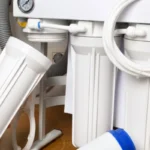
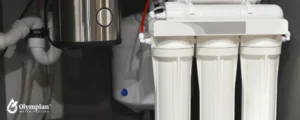
- Installing a water filter on your taps can also help. These filters can remove many types of impurities, including copper. Make sure to select a filter designed to remove the specific contaminants identified in your water test.
If the problem persists after trying these solutions, it may be time to seek professional help.
Professional Help for Blue Tinted Water
For when home remedies can’t solve the problem or the water test is displaying too much contaminants, professional help might be required. The plumbers will check your home plumbing for corrosion and repair defective areas.
Water treatment professionals, however, can advise and set up whole-house water treatment systems. They disinfect all the water that flows into your house, filtering out many contaminants and giving you pristine, safe water from each tap.
Preventing Blue Tinted Water in the Future
Prevention is always better than cure. Make sure that you keep your plumbing system properly maintained to stop corrosion and the copper from leaching into your water. If your blue water was caused by copper corrosion, swap out your old copper pipes with better-corrosive ones.
Even investing in a whole-house water treatment system is a good idea. These systems don’t just guard against copper and algae – they also filter out an entire host of other contaminants.
We can reduce the risk of blue water, which is why we have a lot of work to do on the cause and solution of blue water so everyone in Brooklyn will have healthier water.
Conclusion
Brooklyn tap water that’s blue can indicate other, more serious issues – mostly copper leaking out of rusted pipes or algae. The health impact is not likely to be that severe, but chronic copper use can lead to health problems like gastroenteritis, liver or kidney damage. It’s advisable to hire a water testing company to detect specific contaminants and homeowners can then tackle the problem with pipe flushing, water filters or full-blown whole-house water treatment. There are steps you can take to prevent such as having a plumbing check-up every few years and swapping copper pipes if needed. These are the things Brooklyn residents can do to ensure they have clean water, without risking their health.
Share this on social media:
Facebook
Twitter
LinkedIn

Related Posts