
Rain Renewal: The Positive Impact of Rainwater Harvesting on the Environment
- Published:
- Updated: January 17, 2025
Listen to this article
Summary
Rainwater harvesting emerges as a sustainable solution amid increasing water demand and climate change impacts. By collecting and utilizing rainwater, this practice conserves groundwater, reduces water pollution, and offers financial savings. Simple systems, like catchment areas and storage tanks, can be designed to efficiently harvest rainwater, but regular maintenance and adherence to regulations are crucial for optimal functionality.
- Environmental benefits include groundwater conservation and reduced water pollution.
- Financial savings stem from decreased reliance on expensive public water supplies.
- Technical aspects involve catchment areas, storage tanks, pumps, and filtration systems for efficient rainwater harvesting systems.
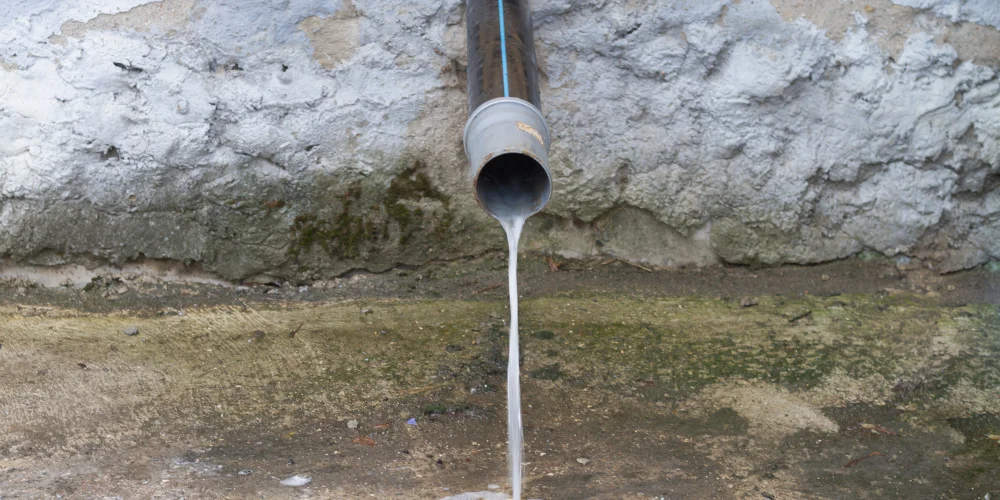
Rainwater collection is a low-cost solution for both people and nature in an age of ever growing water consumption and climate change. Having less dependence on ground and surface water, rainwater harvesting not only saves water but reduces flooding and drought. This method could effect good change in the way we handle and use water and is a critical component of environmental sustainability.
What is Rainwater Harvesting?
Rainwater harvesting means harvesting, storing and using rain water for irrigation, home use, and commercial usage. The purpose of rainwater harvesting is to save and use rainwater which is a clean, renewable source, as opposed to the finite and costly water available from the public supply. It’s a practice that goes back millennia and is employed by early humans to water crops and for other domestic uses.
Environmental Benefits of Rainwater Harvesting

Rainwater harvesting saves the groundwater that’s being squeezed too much by over-extraction. Harvesting rainwater reduces the water that runs off or evaporates, and saves this limited resource. Water pollution can also be mitigated by using rainwater harvesting to lower runoff entering streams, rivers and oceans. Runoff can contain contaminants — pesticides and fertilisers, for example — that harm aquatic species and contaminate drinking water. When we capture rainwater, we cut back on runoff, and therefore pollution in our waterways.
The Financial Benefits of Rainwater
Retention Rainwater collection will save the money you need on water bills at home and workplace. This is because rainwater is largely free and not priced like public water systems, which are getting more expensive as they pay for treatment and distribution. By irrigation and other non-potable use of rainwater, individuals and companies could be saving a lot of water in the hands of public sources, thus protecting that precious resource for those who need it most. Secondly, people can reduce their water usage saving money on water bills especially in areas where there are water restrictions and households are subjected to higher prices for water use.
Technical Aspects of Rainwater Harvesting
Rainwater harvesting systems are relatively simple and consist of several components, including:
- The catchment area: This is typically the roof of a building, but can also be a paved area, such as a driveway or patio. The catchment area is designed to collect rainwater and direct it into a storage tank.
- The storage tank: This is typically a large container that is used to store the harvested rainwater. The size of the storage tank will depend on the amount of rainwater that is expected to be collected and the intended use of the water.
- Pumps: In some cases, pumps are used to move the harvested rainwater from the storage tank to where it is needed.
- Filtration systems: To ensure that the harvested rainwater is safe to use, filtration systems are used to remove any contaminants that may be present in the water.
Designing a Rainwater Harvesting System
When designing a rainwater harvesting system, several factors should be considered to ensure that it is efficient and effective. These include:
- The size of the catchment area: This will determine the amount of rainwater that can be harvested, so it’s important to choose a catchment area that is large enough to meet your needs.
- The type of roofing material: The type of roofing material used will affect the quality of the harvested rainwater, so it’s important to choose a material that is suitable for rainwater harvesting. For example, asphalt shingles are not recommended as they can release pollutants into the harvested rainwater.
- The water storage capacity needed: The size of the storage tank will depend on the amount of rainwater that is expected to be collected and the intended use of the water. It’s important to choose a storage tank that is large enough to meet your needs, but not so large that it takes up too much space.
Maintenance of a Rainwater Harvesting System
You have to keep a rainwater harvesting system in proper working order to give the benefits you want. Cleaning the catchment area and storing tank, preheat pumps and filtration system, and verifying system performance. In addition, preventative maintenance will prolong the service life of the system and save you money in repair later on.
Rainwater Harvesting Regulations
Before buying rainwater harvesting system, be informed of laws and regulations that govern the use of rainwater harvesting. : Building regulations, water rights, zoning. You may need to apply for a permit if you want to put in a rainwater harvesting system, so check with the municipality to find out. These rules will guarantee that the rainwater collection system is put in place and operated in an eco-friendly manner.
Share this on social media:
Facebook
Twitter
LinkedIn

Related Posts