Are PFAS a Concern for Brooklyn's Tap Water?
- Published:
- Updated: December 27, 2024
Listen to this article
Summary
Concerns about PFAS (Per- and Polyfluoroalkyl Substances) in Brooklyn’s tap water have emerged due to their harmful health effects and widespread presence. Here’s what you need to know:
- PFAS Background: These persistent chemicals, found in common household items, pose health risks and accumulate in the body over time.
- Health Risks: PFAS exposure has been linked to various health issues, prompting concerns about tap water safety.
- Nationwide Presence: PFAS contamination affects millions of Americans, highlighting the urgent need for regulatory action.

You tap on a glass of water and believe that what’s spilt out is pure. What if the water you’re drinking is actually made up of "ever chemicals" called PFAS, compounds linked to all sorts of diseases? Recent national interest has been the topic of PFAS (Per- and Polyfluoroalkyl Substances) in water.
What are PFAS?
Synthetic PFAS first appeared in the 1940s and have been used since then in everything from non-stick cookware to fire-fighting foam. They’re insensitive to water, grease and heat, so they’re extremely useful but also exceedingly persistent in the environment. They can stick for years once they’re in the water, hence the label "forever chemicals".
Most everyday household products – stain-resistant clothing, cleaning products, and food containers – often contain PFAS. The ease of life these products bring may be convenient but it is also enabling PFAS to leach into soil and water resources, a menace that is not fully understood yet, but it is becoming an ever-present concern.
The Health Concerns Associated with PFAS

There are health effects that PFAS have caused ranging from cancers to liver and kidney disease. The chemicals, they’ve found, can upset the hormonal balance, weaken the immune system, and even impair child development. It’s the worst kind of worry, for something as ubiquitous as drinking water.
Most disturbing of all, PFAS become degraded in the body. The longer-term effects of PFAS use are still being researched, but one thing is for sure, we should avoid PFAS use whenever possible. The Centers for Disease Control and Prevention (CDC) and other health agencies are continually updating their protocols as more research emerges.
PFAS in America’s Water Systems
The Environmental Working Group has PFAS-infested tap water in homes of over 200 million Americans. Strata such as Flint, Michigan and Hoosick Falls, New York have demonstrated that contaminated water is no theoretical problem, it is a public health emergency.
Federal rules regarding PFAS are in the works. The EPA does not yet have a contaminant level for PFAS; that is left to the states. But the federal government has not moved, so municipalities are generally under-prepared to confront PFAS contamination.
Is Brooklyn at Risk?
PFAS has been detected in several drinking water systems in New York State, and Brooklyn is no different. DeP tests water regularly, and has found different levels of PFAS, although they say they are within safe limits.
But “acceptable” is a loose ball. The amount safe to be applied to PFAS could shift as more studies come in. New Yorkers should not rely on the water in their tap, and stay up-to-date with city water quality reports and standards.
Testing for PFAS: What Brooklyn Residents Should Know
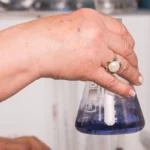
Test it if you have concerns about your tap water containing PFAS. They have home test kits but if you send the samples to a Brooklyn water testing lab they will come back more exact.
Here are some local labs where you can get your water tested for PFAS with confidence:
Olympian Water Testing
New York Water Testing Labs
Hudson Valley Environmental Solutions
Treatment Options for Contaminated Water
If your water tested positive for PFAS, there are several water treatment solutions. Activated carbon filters and reverse osmosis are among the best ways to filter your water for PFAS. These devices can be used at point-of-entry or point-of-use — it’s up to you.
Make sure you research the filter you invest in. There are filters, not all filters work the same, and some filter your water only up to a certain amount of PFAS. Always speak with experts and read testimonials before you buy.
Actionable Steps for Concerned Citizens
- Advocate for stricter regulations: Contact your local and state officials to voice your concern.
- Engage with community boards: Attend meetings or engage online to stay informed and influence policy.
- Stay updated: Follow news and reports to keep abreast of any changes or updates on PFAS regulations.
By taking these steps, you not only protect yourself but also contribute to broader community awareness and action.
What is the Government Doing About It?
On the federal and state level, there is a movement for more regulation of PFAS. EPA has a PFAS Action Plan in place, to improve PFAS knowledge and oversight. There are also a few bills being offered to curtail PFAS in consumer products.
But a criticism is that the regulators are doing too little, too late. With every emerging study illuminated about the dangers of PFAS, more urgent, whole-of-life measures are being demanded to regulate their release into the environment and our bodies.
The Future of Brooklyn’s Tap Water
The work is now underway to get a better understanding and approach the problem of PFAS in Brooklyn’s water. Even projects such as the New York Clean Water Initiative are exploring how to better get rid of PFAS in our water supply.
The resident should know and act. It’s never quite as it used to be, and what is safe today might not be tomorrow. So keep up the fight for good water in Brooklyn and beyond.
How PFAS Enter Brooklyn’s Water Supply
PFAS contamination of Brooklyn’s water system can come from multiple places. From factories to fire suppression foam and from the home, PFAS can leach into groundwater and surface water. Age and status of water infrastructure are also factors, with pipes and other facilities getting older and no longer removing these long-term chemicals effectively. PFAS’s sources need to be recognized in order to control their presence in water supplies.
Conclusion: Addressing PFAS Concerns in Brooklyn’s Tap Water
PFAS contamination is already extremely dangerous for the health of Brooklyn residents, although we still don’t know how long it will stay. Levels are now considered safe, but PFAS research is constantly changing, so we need to stay alert and take action. Having water tested regularly, having efficient filtration, and calling for stronger laws are all things that residents can do to make sure their tap water is safe. The more informed and active the population is, the better able to defend its health from these lingering pollutants.
Share this on social media:
Facebook
Twitter
LinkedIn
Next Article: