What You Need to Know About Conductivity in Brooklyn’s Drinking Water
- Published:
- Updated: December 16, 2024
Listen to this article
Summary
Understanding the conductivity of Brooklyn’s drinking water is essential for ensuring its safety and quality. Conductivity measures the presence of dissolved ions, which can originate from natural minerals or contaminants. Monitoring this metric helps detect potential pollutants and maintain water quality standards.

And drinking water is key to wellbeing, especially in a big city like Brooklyn. As such, understanding conductivity, one of the main metrics, has a lot to tell us about our water’s safety and purity. This is a parameter which indicates dissolved ions that can be found in different forms, from mineral substances to potentially contaminants.
Understanding Conductivity
Electrical conductivity, at its core, measures a solution’s ability to conduct an electrical current. It does so by evaluating the concentration of ions present in the water—more ions mean higher conductivity. Naturally, not all ions are harmful; minerals like calcium and magnesium, commonly found in drinking water, contribute to its conductivity.
However, the role of conductivity in assessing water quality cannot be understated. While some dissolved ions are beneficial or neutral for health, a sudden spike in conductivity can be a tell-tale sign of pollutant intrusion. Heavy metals, agricultural runoff, or industrial waste can drastically affect conductivity levels, highlighting the importance of regular monitoring.
Brooklyn’s Water Source

Brooklyn’s primary water sources are a blend of reservoirs and lakes, nestled within the protected Catskill and Delaware watersheds. This natural setting, rich in minerals and organic materials, ensures a base level of conductivity due to the natural processes of the ecosystem.
Yet, even these pristine sources aren’t immune to the challenges of urbanization. As Brooklyn has grown, so has the potential for factors like infrastructure decay, sewage overflows, and runoff from roads to affect the water. Each of these can introduce contaminants into the water, thereby affecting its conductivity and signaling potential water quality issues.
The Connection Between Conductivity and Water Contaminants
Some common contaminants in urban water include heavy metals, chlorides, and phosphates. Each of these can significantly influence conductivity. For instance, road salts, commonly used during Brooklyn’s winter months, can lead to increased levels of chlorides in the water.
Increased conductivity, thus, can act as an early warning system. If conductivity levels start rising inexplicably, it might indicate the infiltration of pollutants into our drinking water. This is crucial, as certain contaminants, when consumed over time, can lead to health complications.
Safe Levels of Conductivity
So, what constitutes a "safe" range for drinking water conductivity? Generally, for freshwater, the acceptable range lies between 50 to 1500 µS/cm. This range ensures the water’s mineral content is beneficial without indicating the presence of harmful contaminants.
In comparison with global standards, the World Health Organization doesn’t set a strict conductivity limit but emphasizes its role in detecting changes in water quality. It’s vital that cities like Brooklyn have stringent monitoring systems in place to ensure that any deviation from the norm is promptly addressed.
Testing Conductivity in Brooklyn’s Drinking Water
Currently, Brooklyn has measures in place that monitor various water quality parameters, including conductivity. Regular tests are conducted, the results of which are made available to the public, ensuring transparency and accountability.
How frequently is the water tested?
- Daily: At the source, to gauge overall reservoir health.
- Weekly: At various points within the distribution system.
- Annually: Comprehensive reports that assess the overall quality, including conductivity and potential contaminants.
Factors Affecting the Conductivity of Brooklyn’s Drinking Water
There are environmental problems to the busyness of the cities. When the streets get dirty, runoff (and especially run-off after storms) will carry contaminants like oils, heavy metals, etc that interfere with conductivity.
But more than that, even industrial processes that are not inevitably associated with water can affect conductivity indirectly. Abwastage, emissions, and accidental leaks can put unwanted chemicals in the water supply. That’s why it’s so important that industries make the transition sustainable and there is frequent surveillance.
How Brooklyn Compares: A Look at Other Major Cities
Conductivity in water to drink varies widely, even in the biggest cities around the world. Things such as location, industrial production, and regional policy all factor in. For example, heavily industrialised cities could have a higher base conductivity than mainly residential ones.
It is because of this initiative, and because of its natural location, that Brooklyn’s water has been maintained to safe conductivity levels until recently. But vigilant monitoring is a constant need, particularly with the rise of urban hazards, to ensure that water is always available to the people.
What You Can Do to Ensure Safe Drinking Water
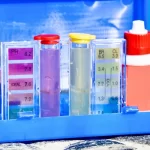
Now people can get personal water-testing kits so they can check for their own water. These kits are often handy and can give you peace of mind as a back-up against unwanted chemicals.
And if they’re concerned that conductivity is too high, residents can take some measures to lower it:
Water filter: Get a good water filter.
Maintenance: Keep home plumbing running properly, so metal leaks aren’t happening.
Keep Up-to-Date: Staying current with local water quality data and taking action if things go awry.
Factors Affecting Conductivity
Conductivity of water is a function of:
Natural minerals from water sources.
Urban runoff and road salts.
Industrial activities introducing contaminants.
Measurement of conductivity can be used to detect changes in water quality and dangers.
Conclusion: Ensuring Safe Drinking Water in Brooklyn
In short, periodic tracking and knowledge of conductivity are necessary to keep Brooklyn’s water safe and quality. Residents can be proactive by taking personal water testing kits and keeping up to date on water quality reports. Communities and local governments must work together to supply safe drinking water for everyone.
Share this on social media:
Facebook
Twitter
LinkedIn

Related Posts