Exploring the Secrets of Maintaining Optimal Water Quality
- Published:
- Updated: December 31, 2024
Listen to this article
Summary
Water quality maintenance is crucial for health and environment. Learn its secrets:
- Importance: Clean water is vital for health and enhances quality of life.
- Monitoring techniques: Chemical, physical, microbiological, and remote sensing methods.
- Common contaminants: Agricultural runoff, industrial discharge, and wastewater plants.

Water quality is one of the most important issues that influence the health and sustainability of both people and the world. Water quality is difficult to keep at a level that’s perfect without figuring out the factors that go into water quality and how they are related to each other. To figure out the sources of contamination, to devise the best treatment, uncovering the secrets of good water quality requires a multifaceted solution that is scientifically sound as well as pragmatically sound. If we better understand the way that water can be kept as clean and safe as possible, then we can work to ensure that we all have access to fresh, safe water.
Why is it important to maintain optimal water quality?
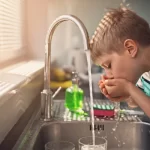
Water must be available and clean to keep you healthy and nourished. Drinking polluted water causes gastrointestinal diseases, skin infections, even advanced cancer. So you need to know how important it is to have the best water quality and to do our bit to ensure that the water we drink is not contaminated with harmful contaminants.
Another way in which having clean water can improve quality of life is by making you healthier. For instance, clean water can cut down on waterborne diseases that reduce healthcare expenses and make a community healthier. Also, clean water can be used to irrigation which can increase crop productivity and food security.
Understanding Water Quality Parameters

Water quality is measured by various parameters, such as pH, total dissolved solids, chlorine levels, and others. The pH level of water is an indicator of its acidity or alkalinity, with a neutral pH being 7.0. Water that is too acidic or alkaline can be harmful to aquatic life and may also affect the taste and appearance of the water.
Total dissolved solids (TDS) refer to the amount of inorganic and organic substances present in water. High TDS levels can indicate the presence of pollutants and may affect the taste, appearance, and overall quality of the water. Chlorine levels are also an important water quality parameter, as chlorine is used to disinfect water and kill harmful bacteria and viruses. However, high levels of chlorine can also be harmful and may cause skin irritation, eye irritation, and other health problems.
What are the techniques for monitoring water quality?
Monitoring water quality is important for ensuring the safety and quality of drinking water and for protecting aquatic ecosystems. There are several techniques for monitoring water quality, including:
- Chemical testing: Chemical testing involves analyzing water samples for specific contaminants, such as heavy metals, pesticides, and other chemicals. This can be done using a variety of techniques, including spectrophotometry, gas chromatography, and mass spectrometry.
- Physical testing: Physical testing involves measuring physical characteristics of water, such as temperature, pH, and conductivity. This can provide important information about the water’s overall quality and suitability for various uses.
- Microbiological testing: Microbiological testing involves analyzing water samples for the presence of microorganisms, such as bacteria, viruses, and parasites, that can cause disease.
- Remote sensing: Remote sensing techniques, such as satellite imagery and aerial photography, can be used to monitor water quality by measuring physical characteristics, such as water temperature and color, that can indicate the presence of pollutants.
- Continuous monitoring: Continuous monitoring systems can be installed to provide real-time data on water quality, allowing for early detection of any changes in water quality and rapid response to potential problems.
The specific techniques used for monitoring water quality will depend on the water source, the intended use of the water, and local regulations. It’s important to regularly monitor water quality to ensure that it is safe and suitable for its intended use and to take action to address any problems that are identified.
Common Sources of Water Contamination
There are several possible causes for water pollution: farm run-off, industrial discharge, and wastewater treatment facilities. Farm runoff is a common pollutant of water, as it can be loaded with pesticides, fertilisers and other toxins that can get into our drinking water.
The second type of water contamination is from industrial discharge — most industries dump contaminants into the water table, including heavy metals, chemicals, and other toxins. Then there are water pollution caused by water treated by wastewater treatment facilities which, if not cleaned, discharge toxic chemicals and contaminants into the waterways.
Water Treatment Methods
Water Treatment: Water is treated to remove impurities and to make it suitable for drinking or other applications. Water treatments are filtering, disinfection, and reverse osmosis to name just a few. Filtration – Filtration removes particles and impurities from water including sediment, sand, dirt etc. Infection consists of eliminating bacterium or virus from water, normally using chlorine or ultraviolet light. Reverse osmosis – an enzyme process that neutralizes dissolved solids and pollutants – is one of the best water treatment systems.
Best Practices for Maintaining Optimal Water Quality
There are several best practices for water quality — regular testing, storage, contamination prevention. Water quality should be monitored regularly to ensure that water is clean and free of contaminants. You can do this with test strips, water analysis, or in a lab.
Water must be stored appropriately, too, because polluted water can be easily re-polluted if it is not stored correctly. Water must be stored in dry containers and should not be contaminated. Then there is contamination prevention by avoiding contaminants (from agricultural discharge and industrial waste).
Understanding Water Hardness
Water hardness: This refers to how much calcium and magnesium are in water. Hard water is water with a high level of these minerals, whereas soft water has a low level. Water hardness is portrayed in either milligrams per liter (mg/L) or grains per gallon (gpg).
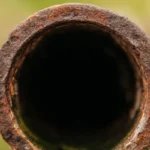
Water hardness affects everything from water tastes, soap and detergent performance, to the efficiency of appliances and plumbing. Hard water can make soap create a gross residue on the skin and clothes, that is difficult to lather and rinse off. It can also accumulate in pipes and appliances and diminish their performance and lifespan.
The Role of Governments and Communities in Maintaining Water Quality
Water quality is regulated, enforced and educated by governments and localities. Governments can regulate the release of pollutants into rivers and lakes to prevent contamination. They can also enforcing these policies so companies and individuals are enforcing the policies and not pouring toxic chemicals into the water.
Public education can also help to keep water quality in check as they are able to educate citizens on the value of clean water and best practices for maintaining good water quality. Governments and communities can do a lot of this work to educate people about the risks associated with polluted water and what can be done to prevent it, so that we all have access to clean, safe water.
Share this on social media:
Facebook
Twitter
LinkedIn