
Comparing Commercial Water Softener Brands
- Published:
- Updated: January 13, 2025
Listen to this article
Summary
Choosing the right commercial water softener requires understanding water hardness, capacity, and operational needs. Here’s a breakdown of popular brands and essential features:
- Culligan: Known for efficiency and wide-ranging systems, but with higher initial costs.
- Kinetico: Offers non-electric, dual-tank systems for continuous soft water and reduced energy costs, but complex installation.
- EcoWater Systems: Focuses on eco-friendly solutions, including salt-free options with advanced monitoring, but may require time to master.
- Fleck: Affordable and user-friendly, ideal for businesses with simpler needs, though lacks advanced features.
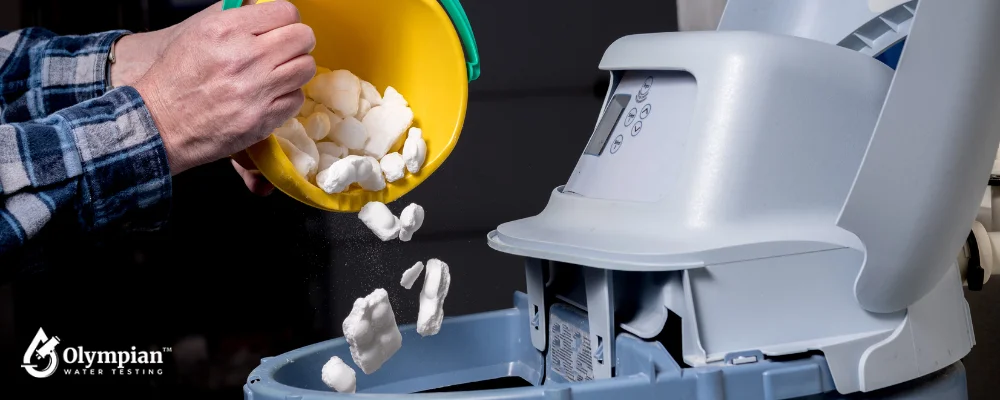
In the realm of water treatment, selecting the right commercial water softener is crucial for ensuring high water quality standards. As businesses increasingly seek efficient solutions to mitigate the adverse effects of hard water, understanding the nuances of various water softener brands becomes essential. This article explore the intricacies of commercial water softeners, providing a comparative analysis of leading brands in the market.
Our goal is to equip you with the knowledge necessary to make an informed decision, whether you are an environmental science student or a business grappling with water quality issues.
Understanding Water Softening
Water softening is a process that removes calcium, magnesium, and other metal cations from hard water, thereby enhancing its quality. These minerals, while not harmful to human health, can cause significant damage to plumbing systems, increase energy costs, and lead to inefficient operation of water-dependent appliances.
The efficacy of a water softener is measured by its ability to reduce water hardness, which is quantified in grains per gallon (GPG). A reliable commercial water softener should effectively address these concerns, promoting both operational efficiency and compliance with regulatory water quality standards.
The Importance of Tap Water Testing

Before diving into specific brands, it’s imperative to conduct comprehensive tap water testing to ascertain the hardness level and identify any additional contaminants present. This foundational step aids in selecting a water softener that aligns with the specific needs of your establishment. In-depth water testing not only highlights the necessity for a water softener but also guides the customization of water treatment systems.
Key Features to Consider in Commercial Water Softeners
When evaluating the best commercial water softeners, several critical features should be considered:
- Capacity and Flow Rate: The system’s capacity should match your business’s water usage, ensuring that the flow rate meets operational demands without compromising water quality.
- Regeneration Process: Opt for systems that offer efficient regeneration processes, as these impact both the water softener’s performance and operational costs.
- Salt-Based vs. Salt-Free Systems: Salt-based systems are traditional and highly effective in ion exchange, whereas salt-free systems are considered more environmentally friendly, as they do not add sodium to the water.
- Certification and Compliance: Ensure that the water softener complies with industry standards and certifications, such as NSF/ANSI certification, which guarantees product safety and performance.
Top Commercial Water Softener Brands
Here, we provide an overview of some of the leading brands in the commercial water softener industry, analyzing their key offerings and benefits.
1. Culligan
Culligan is renowned for its comprehensive water treatment solutions, boasting a wide range of commercial water softeners tailored to different business needs. Their systems are equipped with advanced technology that ensures efficient ion exchange and minimal maintenance requirements.
Pros:
- High efficiency with customizable settings.
- Robust customer support and maintenance services.
- Extensive range of systems suitable for varying capacities.
Cons:
- Higher initial investment compared to some other brands.
2. Kinetico
Kinetico offers non-electric, dual-tank systems that ensure seamless operation, even during regeneration cycles. Their innovative design minimizes downtime and enhances water softening efficiency.
Pros:
- Non-electric operation reduces energy costs.
- Continuous soft water supply due to dual-tank design.
- Low maintenance requirements.
Cons:
- Installation can be complex and may require professional assistance.
3. EcoWater Systems
EcoWater Systems is celebrated for its eco-friendly approach, providing both salt-based and salt-free water softeners. Their systems are designed with cutting-edge technology that emphasizes sustainability.
Pros:
- Eco-friendly options available.
- Advanced monitoring features for efficient operation.
- Strong focus on reducing environmental impact.
Cons:
- May require a longer learning curve to utilize all features effectively.
4. Fleck
Fleck is a trusted name in the water treatment industry, known for its durable and reliable water softeners. Their systems are particularly favored for their ease of use and cost-effectiveness.
Pros:
- Affordable pricing with robust performance.
- Easy installation and user-friendly interface.
- Long-lasting with minimal maintenance needs.
Cons:
- Limited advanced features compared to higher-end models.
Practical Considerations
When selecting a commercial water softener, it’s critical to consider not only the brand but also the specific needs of your establishment. Factors such as water hardness levels, budget constraints, and environmental considerations should all play a role in your decision-making process.
Installation and Maintenance
Installation can vary in complexity depending on the system chosen. It is advisable to consult with water treatment professionals to ensure proper installation, which can greatly influence the system’s performance and longevity. Regular maintenance, including periodic checks and timely regeneration, is essential to maintain optimal functionality.
Cost Analysis
While initial costs are an important factor, it is crucial to evaluate the long-term operational costs, including energy consumption, maintenance, and potential savings from reduced equipment damage and energy bills.
Conclusion
Choosing the right commercial water softener involves a careful balance of technical specifications, budget considerations, and environmental impact. By conducting thorough tap water testing and understanding the specific requirements of your operation, you can select a system that not only meets your immediate needs but also contributes to long-term sustainability goals.
In the evolving landscape of water treatment systems, staying informed about the latest advancements and industry standards is vital. With brands like Culligan, Kinetico, EcoWater Systems, and Fleck leading the charge, businesses have access to a diverse array of solutions tailored to enhance water quality and operational efficiency.
For those navigating the complexities of water softening, whether for academic pursuits or practical applications, this guide aims to provide a comprehensive overview that facilitates informed decision-making.
By leveraging the insights provided here, you can ensure that your choice in water softening technology aligns with both your environmental responsibilities and operational objectives.
Share this on social media:
Facebook
Twitter
LinkedIn

Related Posts