Types of Drinking Water
There are various types of drinking water, each with unique characteristics and benefits. From tap water to bottled varieties, understanding these differences is key to making informed hydration choices.
Tap Water

Tap water is widely available and affordable. In the U.S., over 150,000 public water systems supply it to homes and businesses. Despite 85% of adults trusting its safety, 15% have quality concerns. Municipalities are boosting monitoring of tap water to ensure its safety.
Bottled Water

Bottled water’s popularity stems from its perceived safety over tap water. Yet, nearly 65% of U.S. bottled water comes from tap water sources. The FDA regulates bottled water, but its standards are less strict than EPA’s for public water supplies.
Water Type | Source | Regulation |
Tap Water | Public water systems | EPA (Safe Drinking Water Act) |
Bottled Water | Often municipal tap water | FDA (less stringent than EPA) |
Mineral Water

Mineral water comes from underground sources, containing at least 250 parts per million of dissolved solids. It naturally includes minerals like calcium, magnesium, and sodium, which may offer health benefits. Yet, its sodium content is something to consider, as it can exceed daily intake levels.
Spring Water
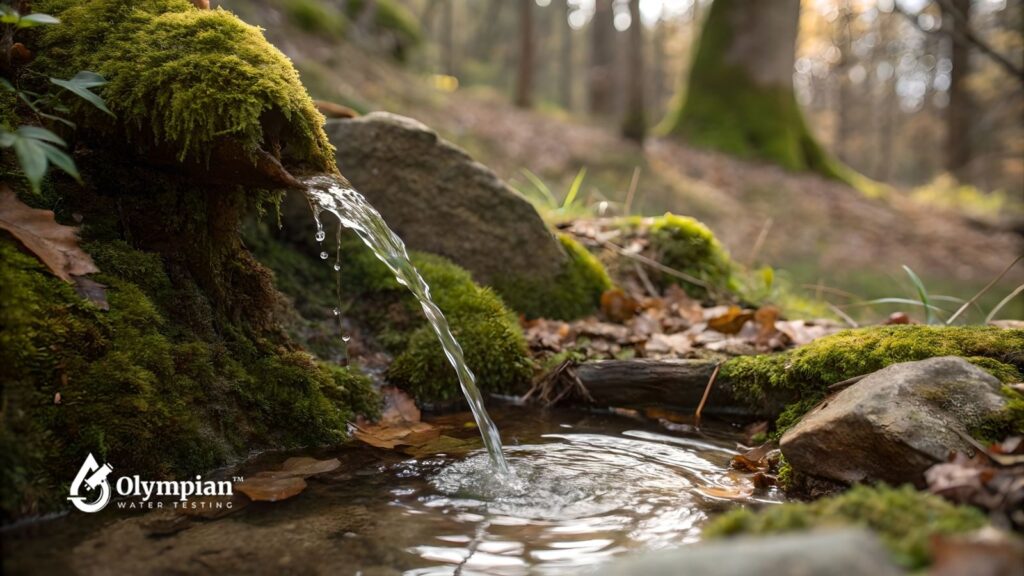
Spring water originates from underground formations that naturally surface. It must be collected directly at the spring or through a borehole. Spring water often contains naturally occurring minerals and is bottled at the source.
Distilled Water

Distilled water is made by boiling water and collecting the steam, then cooling and condensing it. This process removes impurities, minerals, and chemicals, resulting in pure water. While it lacks contaminants, it also lacks beneficial minerals found in other waters.
Purified Water

Purified water undergoes various treatments like distillation, deionization, or reverse osmosis to remove impurities. The International Bottled Water Association states it must have less than 10 parts per million of total dissolved solids. This water is often used in bottled water production and can come from tap water or other sources.
Safety and Regulation of Drinking Water in the United States
The safety of drinking water in the United States is of utmost importance. Millions rely on public water systems for their daily needs. To ensure water is safe and free from harmful contaminants, regulations have been established by the Environmental Protection Agency (EPA) and the Food and Drug Administration (FDA).

Recent data shows over 143 million people in the U.S. are exposed to PFAS in their drinking water. EWG’s Tap Water Database identified 324 contaminants across nearly 50,000 water systems from 2021 to 2023. These statistics highlight the need for strict regulations and oversight.
Environmental Protection Agency (EPA) Regulations
The EPA regulates public water systems and sets standards for drinking water quality. Currently, the agency oversees 90 contaminants, including microorganisms and chemicals. Yet, in the last 30 years, the EPA has only set one new maximum contaminant limit for hazardous chemicals in tap water. This limit targets six PFAS compounds.

Despite these efforts, contaminants like arsenic and hexavalent chromium are found in drinking water nationwide. A 2019 study linked more than 100,000 cancer cases to the toxic mixture in U.S. drinking water.
Food and Drug Administration (FDA) Regulations
The FDA regulates bottled water, seen as a safer alternative to tap water. Yet, studies reveal bottled water is not always cleaner or safer than tap water, despite its higher price.

The FDA has set standards for bottled water, including limits on contaminants and labeling requirements. These standards are not as detailed as the EPA’s for public water systems. This can result in inconsistent quality and safety in bottled water.
To address these concerns, it’s essential for the EPA and FDA to update and strengthen their regulations. Increasing oversight and enforcement is also critical. Investing in infrastructure upgrades and supporting underfunded water treatment facilities, mainly in rural and low-income communities, can ensure safe drinking water for all Americans.
Comparing the Health Benefits of Different Types of Water
The mineral content in water significantly impacts its health benefits. Most water types are healthy, but slight taste and mineral differences exist. These naturally occurring minerals add to water’s unique qualities, though they don’t significantly affect health.
Hard water, with its higher mineral content, can stain surfaces and have a distinct taste or smell. In contrast, spring water is naturally alkaline, with a pH above 7. It contains essential minerals like potassium, calcium, and sodium. Mineral water, as defined by the U.S. FDA, must have at least 250 parts per million of mineral solvents. This makes it rich in magnesium, sulfate, bicarbonate, and calcium, all vital for hydration.

Alkaline water, with a pH between 8 and 9.5, may help neutralize metabolic acidosis caused by diet, aging, and kidney decline. Research suggests it could improve oxygen and blood distribution, benefiting those with high cholesterol, blood sugar, or blood pressure. Yet, drinking too much alkaline water can lower body pH, potentially weakening bones and the immune system.
Water Type | pH Level | Key Minerals | Potential Benefits |
Tap Water | Around 7 | Varies by source | Safe and accessible |
Spring Water | Greater than 7 | Potassium, calcium, sodium | Naturally alkaline |
Mineral Water | Varies | Magnesium, sulfate, bicarbonate, calcium | Essential for hydration |
Alkaline Water | 8 to 9.5 | Varies | May neutralize acidosis |
Research indicates that hydration from any water source, including alkaline water, is vital for athletes to avoid dehydration and maintain performance. The effectiveness of alkaline water in detoxifying the body or protecting against cancer is not proven. Further studies are necessary to confirm its benefits over regular water for hydration and other health claims.
The Role of pH in Water Quality and Health
The pH level of water is a critical factor in assessing its quality and health impacts. pH ranges from 0 to 14, with 7 being neutral. Values below 7 are acidic, and above 7 are alkaline. The World Health Organization (WHO) and Environmental Protection Agency (EPA) suggest a drinking water pH of 6.5 to 8.5 for optimal health.

Understanding the pH Scale
The pH scale is logarithmic, meaning each unit change represents a tenfold difference in acidity or alkalinity. For instance, water with a pH of 6 is ten times more acidic than water with a pH of 7. Typically, surface water has a pH between 6.5 and 8.5, while groundwater ranges from 6.0 to 8.5.
Optimal pH Range for Drinking Water
Water with a pH below 6.5 is acidic, potentially leaching toxic metals from pipes. On the other hand, water with a pH above 8.5 is alkaline, causing pipe scaling and reducing water flow. The EPA advises keeping drinking water pH between 6.5 and 8.5 to ensure safety and prevent health issues.
Water Source | Typical pH Range |
Surface water | 6.5 – 8.5 |
Groundwater | 6.0 – 8.5 |
Optimal drinking water (WHO & EPA) | 6.5 – 8.5 |
Debunking Myths About Alkaline Water
Alkaline water, with a pH of 8 or 9, has gained popularity for its supposed health benefits. Proponents claim it can neutralize stomach acid, improve hydration, and slow aging. Yet, the human body naturally regulates its pH, making significant changes through drinking alkaline water unlikely.
Some studies suggest alkaline water may improve bone density in postmenopausal women and enhance hydration in athletes. Yet, more research is needed to confirm these benefits. Excessive consumption of highly alkaline water (pH greater than 9.8) can lead to health issues like hyperkalemia, posing risks for those with kidney disease or impaired function.
Mineral Content in Water: Does it Matter?
The mineral content in water is a key factor in determining the healthiest water to drink. Water naturally contains minerals like calcium, magnesium, and trace amounts of other essential elements. These minerals can affect the taste, appearance, and health benefits of the water, even if they don’t impact its safety.
Essential Minerals Found in Water
The U.S. Food and Drug Administration (FDA) states that mineral water must have at least 250 parts per million (ppm) of dissolved solids. These minerals cannot be added during bottling. The main minerals in water include:
- Calcium: Essential for strong bones and teeth
- Magnesium: Supports muscle and nerve function
- Potassium: Helps regulate blood pressure and supports heart health
- Sodium: Maintains fluid balance in the body
While the amounts of these minerals in water are generally not significant enough to meet daily nutritional requirements, they can contribute to overall intake. They also provide some health benefits.
Hard Water vs. Soft Water

The terms "hard water" and "soft water" refer to the mineral content of the water. Hard water contains higher levels of calcium and magnesium, causing deposits or stains in sinks, toilets, and appliances. It may also have a slightly discolored appearance. On the other hand, soft water has lower levels of these minerals, often due to the use of softening agents by water companies.
Water Type | Calcium (ppm) | Magnesium (ppm) |
Soft Water | 0-60 | 0-3.5 |
Moderately Hard Water | 61-120 | 3.6-7.1 |
Hard Water | 121-180 | 7.2-10.7 |
Very Hard Water | Over 180 | Over 10.7 |
While the mineral content of water can affect its taste and appearance, both hard water and soft water are generally safe to drink. The healthiest water to drink is one that is free from harmful contaminants and provides a balance of essential minerals.
Contaminants and Impurities to Avoid in Drinking Water
Drinking water quality is a critical concern, as it can harbor harmful contaminants. In the U.S., tap water is generally safe due to EPA regulations. Yet, knowing about common water contaminants is essential.
Pathogens and Microorganisms
Pathogens like bacteria, viruses, and parasites are major concerns in drinking water. They can range from mild stomach issues to severe infections. Common pathogens include:
- Cryptosporidium
- Giardia
- E. coli
- Legionella
- Norovirus
To avoid pathogens, it’s vital to not drink from untreated sources. Ensure your tap water comes from a regulated system or a well-maintained private well.
Chemical Pollutants
Drinking water can also contain chemical pollutants harmful to health. These pollutants come from various sources, including agricultural runoff and industrial waste. Common contaminants include:
- Arsenic
- Lead
- Mercury
- Pesticides
- Nitrates
The EPA sets limits for these contaminants in public water systems. Yet, it’s important to be aware of their presence. Consider using a water filtration system or alternative sources if you’re concerned about your tap water.
Lead and Other Heavy Metals
Lead is a significant concern in drinking water, posing serious health risks, mainly to children. It can enter the water supply through corroded pipes, as seen in the Flint, Michigan water crisis of 2014. Other heavy metals, like copper and mercury, also pose health risks at high levels.
To reduce exposure to lead and other heavy metals, regular water testing is key. This is critical in older homes with lead pipes or if you have water quality concerns. If high levels are found, use a water filtration system or an alternative source until the issue is fixed.
Contaminant Type | Examples | Potential Health Effects |
Pathogens | Cryptosporidium, Giardia, E. coli | Gastrointestinal illness, infections |
Chemical Pollutants | Arsenic, Pesticides, Nitrates | Cancer, developmental issues, other chronic health problems |
Heavy Metals | Lead, Copper, Mercury | Developmental delays, kidney damage, neurological issues |
Tap Water vs. Bottled Water: Which is Better?
Choosing between tap water and bottled water involves considering cost, convenience, and environmental impact. Tap water is generally more economical and eco-friendly for most Americans. It offers a cost-effective and environmentally responsible option.
Cost Comparison
The cost difference between tap water and bottled water is significant. A study found tap water in the U.S. is healthier and cheaper. While 96% of Americans buy bottled water, nearly 20% drink it exclusively, leading to high costs. In contrast, tap water is affordable and accessible, making it a better choice for many.
Water Source | Average Cost per Gallon |
Tap Water | $0.004 |
Bottled Water | $1.22 |
Environmental Impact

The environmental impact of tap water versus bottled water is another critical factor. Bottled water production and disposal lead to substantial plastic waste. Research shows bottled water can contain up to 240,000 detectable plastic fragments per liter, 90% of which are nanoplastics. Tap water, on the other hand, is more eco-friendly, avoiding the need for plastic bottle production, transportation, and disposal.
"The average person is estimated to ingest approximately 5 grams of plastic per week, equivalent to the weight of a credit card."
Tap water may contain contaminants like arsenic, lead, and PFAS. Yet, public water systems must adhere to EPA standards and provide annual water quality reports. If you’re concerned about tap water quality, consider using a water filter or contacting your local water utility for more information.
Situations Where Bottled Water May Be Necessary
Tap water is generally safe in the United States. Yet, there are times when bottled water is essential. If your water comes from a private well, regular testing by a certified agency is vital. The FDA will recall bottled water if it’s contaminated to safeguard public health.
Uncertainty about tap water safety? Use the Environmental Protection Agency’s (EPA’s) Local Drinking Water Information database. Your water company also provides an annual report on water quality, including contaminants and their levels.
Traveling to areas with unsafe tap water means knowing when to drink bottled water. Choose sealed, reputable brands to reduce illness risks. But remember, not all bottled water is the same. Here are some facts:
- About 25% of bottled water sold is just tap water.
- A study of 47 bottled water brands found arsenic, cadmium, lead, mercury, and 30 PFAs in samples.
- Columbia University and Rutgers University found at least 240,000 plastic particles in the average liter of bottled water.
- 10 of the most popular bottled water brands in the U.S. contain mixtures of 38 different pollutants, including industrial chemicals, Tylenol, and fertilizer.
To ensure your bottled water’s safety and quality, stay updated on recalls. Choose brands that are transparent and conduct rigorous testing. This way, you can safeguard your health and well-being when tap water is not safe.
Identifying Safe and Unsafe Sources of Drinking Water
Accessing clean, safe drinking water is essential for maintaining good health. With various water sources available, it’s vital to understand which ones are safe and which ones may pose risks. We’ll explore the safety of municipal water sources, private wells, and natural bodies of water.
Municipal Water Sources
In the United States, 90% of people receive their tap water from a public water system. These systems are regulated by the U.S. Environmental Protection Agency (EPA). The EPA sets stringent rules to ensure that drinking water is free from pollutants and harmful chemicals such as lead and arsenic. Public water utilities are required to meet these safe water standards and provide customers with an annual water quality report by July 1 each year.

While tap water from municipal sources is generally considered safe, it can contain contaminants like lead and chlorine. Lead can leach into drinking water through old lead pipes, with even "lead-free" pipes containing up to 8% lead. Consuming lead-tainted water for years may result in kidney problems and high blood pressure in adults. It can be harmful to infants, young children, and pregnant women, affecting brain development and increasing miscarriage risks.
Private Wells
Almost 1 out of every 7 Americans relies on a private well as their primary source of drinking water. Unlike municipal water sources, private wells are not regulated by the EPA. It’s the responsibility of the well owner to ensure their water is safe to drink. Individuals with private wells are advised to test their water at least once a year for harmful germs and chemicals. The Safe Drinking Water Hotline can be contacted at (800) 426-4791 for assistance in finding state-certified laboratories for water testing.
Natural Bodies of Water
Natural bodies of water, such as lakes, rivers, and streams, are generally considered unsafe drinking water sources. These water sources can be contaminated with disease-causing pathogens, such as Cryptosporidium. This can cause gastrointestinal disease that could be fatal if it contaminates water supplies. These waters may also contain harmful chemicals, such as nitrates, which can pose an immediate threat to infants, preventing blood from transporting oxygen.
If you find yourself in a situation where you must drink from a natural body of water, it’s vital to take steps to make the water safe to drink. Boiling water for 1 minute is recommended, or 3 minutes if at an elevation above 6,500 feet, to kill harmful microbes. An alternative is solar sterilization of water, which requires leaving it in bright sunlight for at least 6 hours to kill microbes.
Access to Safe Drinking Water: A Global Perspective
Access to safe drinking water is a fundamental human right, yet it remains a pressing global issue. A recent study in Science found that 4.4 billion people, more than half of the world’s population, lack access to safely managed drinking water. This figure is more than double the estimates made by the World Health Organization (WHO) in 2022, highlighting the severity of the problem.
The study, which incorporated data from over 64,000 households across 27 countries between 2016 and 2020, revealed that two-thirds of the 4.4 billion people without access to safe drinking water reside in low and middle-income countries. In South Asia alone, an estimated 1.2 billion people, more than half of the region’s population, do not use safely managed drinking water. Over 80% of the population in Sub-Saharan Africa, with over 1.1 billion people, also cannot access safe managed water.
Region | Population Affected by Unsafe Drinking Water |
South Asia | 1.2 billion (more than half of the region’s population) |
Sub-Saharan Africa | Over 80% of the population (more than 1.1 billion people) |
Oceania (excluding Australia and New Zealand) | Approximately 75% of the population |
Southeast Asia | Approximately 75% of the population |
The consequences of unsafe drinking water are dire. Over 1,000 young children die daily from diarrheal diseases linked to contaminated drinking water, mainly in South Asia and sub-Saharan Africa. A 2023 study also found that around 100 countries are affected by fluoride contamination in groundwater, exceeding 1.5 mg/L. Approximately 230 million people, mainly in Asia, are at risk of arsenic-contaminated groundwater.
Global trust in water safety is alarmingly low. A study found that 1 in 2 people believe their drinking water sources could cause serious harm if consumed. The study analyzed data from 148,585 adults across 141 countries. It found that the overall mean percentage of individuals anticipating harm from their drinking water is 52.3%. Factors such as corruption perception, education levels, and financial struggles were found to be strong predictors of anticipated harm from drinking water.
To address this global crisis, concerted efforts from governments, international organizations, and local communities are essential. Investing in infrastructure, improving water management practices, and promoting education and awareness about safe drinking water are key steps. By prioritizing the provision of safe drinking water, we can save lives, improve health outcomes, and contribute to the overall well-being of communities worldwide.
Hidden Sugars and Calories in Some Bottled Water Beverages

Many turn to bottled water as a healthier choice over sugary drinks. Yet, some bottled waters contain hidden sugars and calories. It’s vital to recognize these additives, as they can lead to excessive sugar intake and health problems.
Research shows about 20% of consumers are unaware of sugar content in flavored waters. Some flavored waters have up to 30 grams of sugar per serving, with 60 calories per bottle. Plain water, on the other hand, has zero calories. About 50% of flavored water drinkers ignore nutrition labels, leading to unintended sugar and calorie intake.
Tonic Water
Tonic water, used in mixed drinks, contains hidden sugars. A 12-ounce can has around 32 grams of sugar. While occasional and moderate consumption is okay, excessive sugary bottled water intake is linked to obesity and Type 2 diabetes.
Vitaminwater
Vitaminwater, marketed as water beverages, often includes added sugars. Some flavors have as much sugar as sugary soft drinks. It’s critical to check nutrition labels to understand the calories in bottled water products like Vitaminwater.
Flavored Water
Flavored water has become popular, with about 70% of people choosing it over sugary drinks and juices. Yet, some flavored waters contain caffeine levels similar to a cup of coffee, up to 95 mg per serving. Sugar alcohols in flavored waters have been linked to health risks, including blood clots and stroke.
To make informed choices, it’s key to read nutrition labels and be aware of hidden sugars and calories in bottled water. Choosing plain or sparkling water without added sugars supports hydration while reducing unnecessary calorie and sugar intake.
Making an Informed Choice: Factors to Consider When Selecting Drinking Water
Choosing drinking water involves several key factors. Tap water is often the most affordable and accessible choice. Yet, it’s vital to assess the quality and safety of your local tap water. The U.S. Geological Survey found nearly half of the nation’s tap water contains harmful chemicals. Consumer Reports detected PFAS in 117 out of 120 water samples, with over a third exceeding safe levels.
If tap water quality concerns you, there are steps to ensure safe, healthy drinking water:
- Test your water: Home testing kits can quickly detect contaminants like chlorine, lead, and bacteria. Professional services test for more contaminants but vary in cost.
- Invest in a filtration system: Activated carbon filters can significantly improve taste and odor by reducing chlorine levels. Reverse osmosis systems remove up to 95% of dissolved solids. UV purifiers kill 99.99% of bacteria and viruses but don’t remove chemicals.
- Regularly maintain your filtration system: Replacing filters every 6 to 12 months is essential for system effectiveness. Maintenance frequency depends on usage.
When choosing a filtration system, consider these factors:
Factor | Considerations |
Contaminants targeted | Ensure the system effectively removes the specific contaminants present in your water supply. |
Filtration capacity | Choose a system with a filtration capacity that meets your household’s daily water consumption needs. |
Maintenance requirements | Consider the frequency and cost of filter replacements, as well as the ease of maintaining the system. |
Cost | Weigh the initial investment and ongoing maintenance costs against the long-term savings on bottled water expenses. |
Investing in a water filtration system ensures safe, healthy drinking water and saves money. It also reduces plastic waste, as over 1 million plastic bottles are bought every minute worldwide.
Healthiest Water to Drink: The Verdict
Tap and bottled water are generally safe, thanks to government regulations. Yet, tap water is often the better choice. It’s more affordable and reduces plastic waste. These factors make tap water a more sustainable option.
While pH levels and mineral content can differ, they don’t greatly impact water’s healthfulness. The key is to drink enough water daily. The National Academy of Medicine suggests 13 cups for men and nine for women. Include water from fruits and vegetables too.
Water Source | Pros | Cons |
Tap Water |
- Cost-effective
- Environmentally friendly
- Regulated for safety
- May contain trace contaminants
- Taste and mineral content varies by location
Bottled Water |
- Convenient for on-the-go hydration
- Consistent taste and mineral content
- More expensive than tap water
- Contributes to plastic waste
Optimal hydration means urinating every two to three hours. Your urine should be light, like lemonade. Drinking enough water offers many benefits. It aids in weight loss and reduces the risk of kidney stones and urinary tract infections.
In some cases, bottled water might be necessary due to tap water concerns. Yet, for most, tap water is the healthier, more sustainable choice. Making informed water choices ensures your body gets the hydration it needs.
Tips for Ensuring You’re Drinking Safe, Healthy Water
Access to safe, healthy drinking water is vital for our health and well-being. Over 2 billion people globally lack access to safe drinking water, leading to 485,000 diarrheal deaths annually. It’s critical to ensure your drinking water is safe. Start by checking the Environmental Protection Agency’s (EPA) Local Drinking Water Information. This will help you understand the quality and safety of your tap water. If your water company sends an annual water quality report, review it for any concerns.
If your tap water appears discolored, has a foul odor, or if there’s official communication about safety issues, consider using bottled water. To reduce plastic waste, choose refillable water cans or 5-gallon jugs. Remember, cold water is safer for cooking and drinking, as hot water can contain more lead and metals. Boiling water for at least one minute (or three minutes at high elevations) can kill 99.9% of bacteria and viruses, making it a reliable decontamination method.
For those using private wells, testing the water annually for contaminants is essential. About 15% of private wells in the U.S. contain harmful substances. UV water purifiers and solar disinfection (SODIS) can eliminate up to 99.99% of microorganisms without changing the water’s taste or smell. By staying informed, using proper purification methods, and maintaining a safe emergency water supply, you can ensure your drinking water safety and protect your health.