Federal Agencies Setting Benchmarks
Different parts of the government guide drinking water safety through federal water laws that define limits on contaminants. They work together to ensure the safety of pipes, wells, and bottled products for people across the country.
The Environmental Protection Agency (EPA)
EPA regulations focus on pollutants named under the Safe Drinking Water Act. This agency monitors chemicals and pathogens, then sets maximum levels for each. It shares guidelines with local communities, and each state authority can choose to adopt stricter requirements when needed.
The Role of the FDA
FDA oversight aims to protect consumers who prefer bottled options. Inspectors track production sites that package spring or purified water. They watch for any issues with processing or transport while ensuring those standards align with broader federal water laws.
The Impact of State-Level Agencies
Regional departments often introduce tighter limits on hazards to address unique environmental concerns. They may test local waterways or reservoirs and propose additions to existing EPA regulations. This cooperation helps each community maintain solid safeguards based on what their surroundings demand.
Historical Context of U.S. Water Regulations
Major pollution concerns across industrial sites drove the early water legislation history. In the mid-20th century, contamination events such as the Cuyahoga River fire prompted a national call for safer aquatic standards. This shift in public demand highlighted the need for policy development aimed at preventing further harm to rivers, lakes, and coastal areas.
Key federal and state roles began aligning when Congress created the Environmental Protection Agency in 1970. This move set a framework for monitoring pollutants and enforcing guidelines. Over time, the Clean Water Act evolution introduced stricter rules for businesses and municipalities. Additional amendments emerged as science uncovered new hazards. Each reform contributed to a more efficient oversight system designed to protect both the environment and human health.
Why Water Quality Matters for Public Health
Water is essential for our daily lives, yet its quality has significant impacts on communities. The effects range from mild discomfort to severe health issues, affecting various areas. Clean water sources protect residents from immediate dangers and promote long-term health.
Common Contaminants to Watch
Heavy metals and nitrates pose significant threats in both urban and rural settings. These contaminants often come from old pipes or industrial waste, leading to waterborne diseases. Such diseases can harm families and overwhelm healthcare systems. Testing and advanced filtration are essential to mitigate these risks.
Effects on Vulnerable Populations
Children, the elderly, and those with chronic conditions are at higher risk. Even small amounts of contaminants can cause serious health problems. Without targeted care, recovery can be challenging. Monitoring, public education, and regulatory updates are vital to protect everyone’s water.
The Centers for Disease Control and Prevention monitor outbreaks linked to contaminated water. Their guidelines highlight the importance of proactive testing in preventing outbreaks. Investing in local water projects, like updating treatment plants, improves conditions for entire communities.
Recent state initiatives show the importance of data-sharing programs. Authorities work with universities to collect accurate data on pollutants. Advanced mapping tools help identify high-risk areas, allowing for targeted interventions. This collaboration leads to quicker responses and fewer emergencies.
Research and community involvement are key for all areas. By working together, people can regain confidence in their water supply. This builds trust in the systems designed to keep them safe.
Key Parameters Monitored in Drinking Water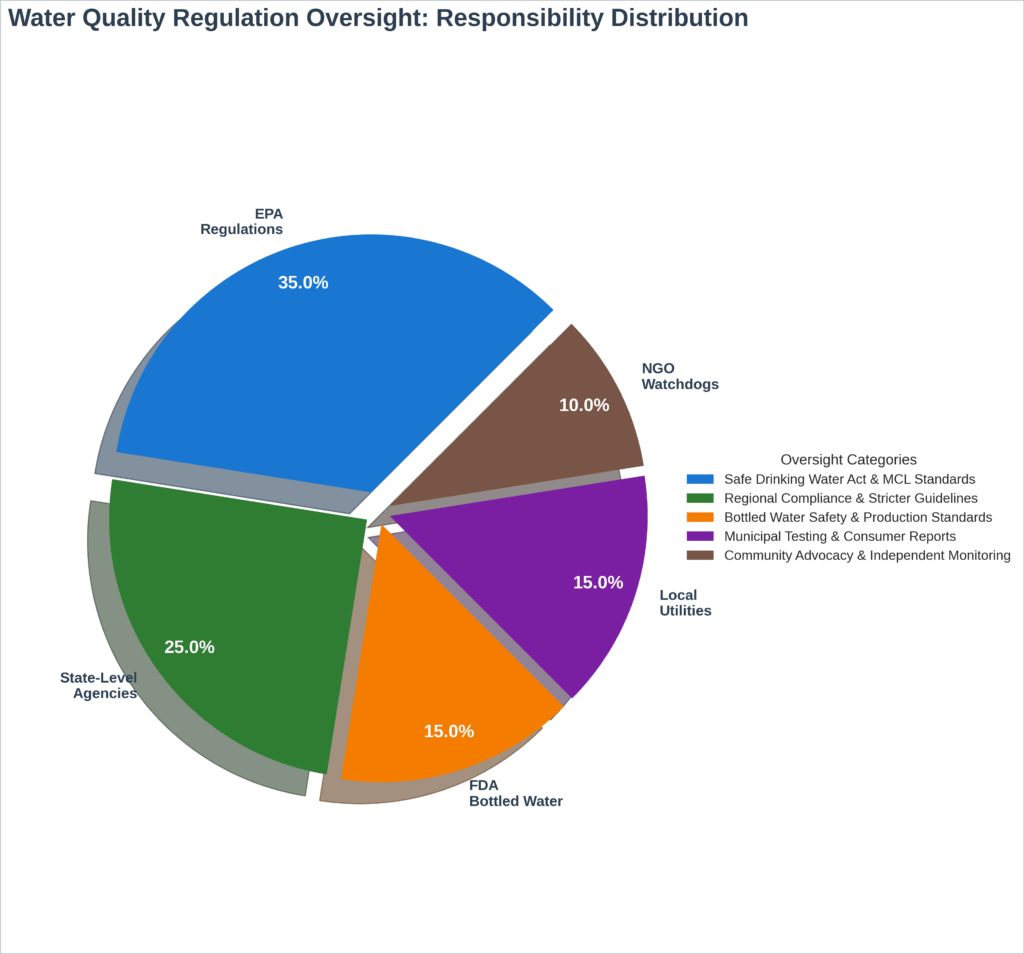
Utilities closely monitor drinking water parameters to protect public health. They check pH levels to ensure water remains balanced, preventing corrosion and bad taste. Turbidity is also a focus, as high levels can indicate microbes or particles that cloud the water.
Chlorine is a common disinfectant, but its levels must be kept safe to kill harmful organisms without causing odors. Federal guidelines set pollutant thresholds for chemicals like nitrates and heavy metals. These limits help ensure water is safe for households.
“Safe drinking water remains a top priority for protecting human health,” states the Environmental Protection Agency.
Public utilities test water frequently to ensure it meets EPA maximum contaminant levels, or MCLs. This commitment includes monitoring contamination sources, analyzing trends, and acting quickly if limits are exceeded.
Parameter | Recommended Range or Limit |
pH Levels | 6.5–8.5 |
Turbidity | |
Residual Chlorine | Below 4.0 mg/L |
Pollutant Thresholds (e.g., heavy metals) | Varies by EPA MCL |
Spotlight on the Safe Drinking Water Act
The Safe Drinking Water Act is a cornerstone of federal legislation, ensuring the nation’s public drinking water is safe. It mandates compliance from water facilities to shield families from harmful pollutants. This act has reshaped community priorities, highlighting the importance of cleanliness and public health. It was enacted in response to growing concerns about contaminated water and the need for consistent oversight.
“Clean water is the foundation for healthy communities and a thriving economy.” — Gina McCarthy
Origins and Evolution
Concerns over contaminated water prompted policymakers to act. The initial versions of this legislation set the stage for how utilities monitor water quality. It also led to enforcement when violations occurred. Over the years, state agencies and the Environmental Protection Agency refined guidelines based on scientific advancements. This led to increased collaboration among communities to address various contaminants.
Ongoing Amendments
Subsequent amendments to the SDWA were prompted by studies revealing new hazards. Each revision broadened the scope, improved testing methods, and clarified responsibilities for both urban and rural systems. Recent updates address threats from previously considered safe toxins. For more information on this, visit this resource. It delves into the balance between strict regulations and shared goals in maintaining water safety. Today, stronger enforcement ensures health standards keep pace with environmental challenges.
Comparing State-by-State Water Guidelines
Diverse approaches to state water guidelines are evident across the United States. Each region considers environmental priorities, population demands, and financial capabilities. This leads to the creation of unique policies. Local autonomy plays a key role in how communities handle contaminants and allocate resources.
Some states adopt stricter standards than federal guidelines. This is often due to higher pollution levels or public pressure. There are notable inter-state differences in testing frequencies, allowed chemical levels, and treatment requirements for public water systems. This patchwork of regulations poses compliance challenges for municipalities aiming for uniformity across borders.
Cost and infrastructure development significantly influence water quality laws. Wealthier areas can afford advanced purification systems and regular inspections. In contrast, financially strained states must focus on the most critical threats, potentially overlooking lesser-known pollutants.
State | Focus | Unique Mandate |
California | Nutrient Levels | Strict nitrate monitoring for agricultural areas |
Michigan | Infrastructure Upgrades | Enhanced lead-pipe replacement programs |
New York | Disinfection Processes | Mandatory corrosion-control for aging systems |
Industrial Influences on Water Standards
Factories and processing sites set the standards for water safety across the nation. They release compounds linked to human activities, prompting scrutiny from regulatory bodies. These efforts ensure public resources remain suitable for daily use.
Manufacturing Discharges
Major facilities in the United States release industrial wastewater into adjacent rivers or lakes. Certain guidelines require ongoing checks to curb dangerous chemical outputs. When factories follow strict guidelines, they limit threats to aquatic life and lessen health concerns for nearby communities.
Agricultural Runoff
Farms contribute nutrient-laden flows into local streams and reservoirs. Runoff often carries fertilizers and pesticides that trigger harmful algae blooms. Crops need proper nourishment, yet unchecked practices can jeopardize aquatic habitats and drinking supplies.
According to the U.S. Geological Survey, farmland runoff remains a leading source of nutrient-related pollution nationwide.
Mitigation Efforts
Regulatory groups collaborate with industries to enhance pollution control strategies. Environmental permits outline specific limits for waste disposal, promoting corporate responsibility across diverse sectors. Advanced filtration systems, improved storage of chemicals, and updated equipment illustrate how proactive changes can guard water from harmful byproducts.
Analyzing Different Treatment Technologies
Global water treatment strategies vary based on local resources and demands. Some systems use simpler filtration methods to remove visible particles. Others require more complex disinfection steps to neutralize pathogens. Each method aims to maintain health standards while addressing chemical byproducts.
Decision-makers consider cost, infrastructure, and water source when choosing the right method. This ensures the most effective solution for each region.
Modern water treatment facilities often incorporate advanced oxidation to degrade stubborn contaminants. This process reduces trace pollutants that standard filters overlook. Quicker reaction rates can streamline operations, but implementing and maintaining this technology demands trained personnel.
Adoption of reverse osmosis has expanded in regions with high salt content. It offers a powerful barrier against dissolved chemicals.
Municipalities evaluate water composition before selecting filtration methods, disinfection protocols, or other tools. Many rely on equipment from 3M or Evoqua for dependable performance. Careful planning involves monitoring environmental impact.
Long-term solutions must address waste disposal, energy use, and ongoing safety checks. These measures protect neighborhoods from emerging hazards.
Technology | Primary Function | Example Brand |
Filtration methods | Remove particulates from raw sources | Pall Corporation |
Disinfection | Eliminate harmful microbes | Siemens Water |
Advanced oxidation | Target persistent contaminants | Trojan Technologies |
Reverse osmosis | Reduce dissolved salts and metals | Dow Water Solutions |
Marine and Recreational Water Regulations
Shorelines provide a haven for families and tourists seeking leisure. Agencies meticulously measure coastal water quality, focusing on bacterial levels and chemical pollutants. This effort significantly reduces the risk of illness for swimmers and safeguards fish stocks. Healthy waters boost local tourism and encourage ongoing stewardship among residents.
Beach Monitoring Programs
States establish recreational standards to guide testing for contaminants at public beaches. Water samples are analyzed for bacteria or harmful algal blooms, which can pose health risks. When levels exceed approved limits, officials post advisories, guiding visitors to safer choices.
Some areas collaborate with the National Oceanic and Atmospheric Administration to study water patterns over time. This data helps refine enforcement methods and improve beach health for both locals and tourists.
Protecting Marine Animals
Marine ecosystem protection is essential for balancing tourism with ecological integrity. Pollution and climate shifts impact coral reefs, seabird nesting sites, and aquatic habitats. Specific rules are in place to safeguard biodiversity and preserve primary food sources for many species.
Programs led by the U.S. Fish and Wildlife Service study migration patterns to address emerging threats. Enhanced awareness supports wildlife conservation, ensuring healthy ecosystems for future generations.
Encouraging Public Awareness
Community outreach educates families on evaluating water conditions before beach trips. Local information boards share updates from environmental agencies, enabling individuals to track water quality changes. This fosters a sense of personal responsibility.
Workshops and clean-up days focus on reducing plastic waste and nutrient runoff. These events increase public understanding of safe swimming rules and encourage a deeper commitment to beach health.
Bottled Water Versus Tap Water Considerations
Bottled water is often viewed as a convenient hydration option. Labels claim purity, leading many to believe in rigorous scrutiny. Bottled water safety is regulated by the FDA, setting contamination standards. In contrast, public utilities follow different guidelines, making some trust bottled water more. Yet, tap water undergoes regular checks by local authorities, suggesting a comparison between the two is necessary.
Water bottles offer portability and consistent taste. Cost factors include the price per gallon and home filtration expenses for tap users. The environmental impact of plastic production and disposal is significant. Reusable bottles and recycling programs aim to reduce waste, but the industry’s footprint remains a concern. Families must weigh factors like flavor, convenience, and resource use to choose the best option.
Choosing between bottled and tap water requires thorough research. Reading Consumer Confidence Reports provides insights into tap water quality. Checking a brand’s disclosures helps determine if its purification steps meet personal preferences. Each choice affects household budgets, safety, and the environment. Examining product labels reveals details on source origins and added minerals, aiding in informed decisions for families.
Planning and examining water testing data lead to safe, refreshing solutions. These meet personal and environmental goals effectively.
Emerging Contaminants and Future Regulation Trends
Water supplies across the nation face rising concerns from emerging pollutants. These substances challenge established safety standards. Forever chemicals, known for their persistence in environments, are a major concern.
Scientists and government bodies are exploring stricter PFAS regulations. This includes managing disposal and treatment procedures. Public input is growing, and research points to the need for swift policy discussions. New guidelines are necessary to address the complexity of these issues.
PFAS Substances
Perfluoroalkyl and polyfluoroalkyl compounds have garnered attention due to their possible link to health effects. The Environmental Protection Agency is evaluating thresholds for these compounds. This approach aims to limit their spread while assuring public trust in water quality.
Microplastics
Some studies suggest tiny fragments of plastic may enter drinking water sources. Filtration systems are improving, and experts continue to assess how microplastics travel through watersheds. Tracking these particles could inform future rules and remediation strategies.
Nano-Contaminants
Scientists are examining nano-scale contaminants that move easily through standard treatment processes. Ongoing projects investigate their properties and possible health outcomes. Findings could shape additional regulations designed to keep pace with rapid technological developments.
How Local Communities Can Drive Change
Local residents hold the key to elevating water standards in their neighborhoods. Often, people underestimate the impact of their collective actions. A unified voice can sway policy changes and prompt infrastructure enhancements. This collective effort is a cornerstone for effective watershed management.
Engaging with local stakeholders fosters a collaborative environment. It empowers individuals to propose impactful projects. Grassroots initiatives, such as streamlining resources or organizing cleanups, invite community participation. Awareness campaigns underscore the critical role of clean water for both homes and businesses.
Many groups advocate for water conservation by hosting free seminars on efficient practices. Others focus on neighborhood outreach, educating residents on reducing stormwater runoff. Some even organize volunteer groups to collect samples and identify contamination.
- Join existing water committees or boards
- Attend public forums on treatment proposals
- Support funding initiatives for new filtration systems
- Encourage schools to include ecology topics in their curriculum
Initiative | Description | Potential Outcome |
Infrastructure Petitions | Request upgraded pipelines and facilities | Improved water quality |
Volunteer Networks | Gather local feedback and conduct testing | Faster contamination alerts |
Educational Workshops | Highlight ways to cut pollution at home | Cleaner rivers and lakes |
Evaluating Water Tests and Quality Reports
Municipal systems provide annual updates to the public, allowing residents to compare their water quality against benchmarks. These summaries, known as Consumer Confidence Reports, detail findings on chemicals, bacteria, and contaminants. They help residents understand their water quality and guide them on staying informed.
Results from lab analysis often include technical details. Figures related to allowable thresholds are provided, aiding in comparisons to federal standards. Checking for elements like lead or nitrates can indicate if extra precautions are needed.
Private wells and specific community setups benefit from regular water testing. Sudden changes in taste or odor may signal an issue, prompting a closer look. Some districts suggest clarifying reports with local officials who specialize in data transparency to address doubts or plan next steps. The frequency of evaluations varies, so it pays to stay prepared.
Understanding Annual Reports
The EPA mandates that every municipality distribute these reports annually. Each report explains contaminants found, health implications, and any actions taken. Readers can spot trends that might need attention.
Interpreting Lab Results
Numbers within safe ranges usually indicate no immediate concern. Elevated figures, though, can point to conditions that deserve more investigation or follow-up treatment.
Knowing When to Retest
A sudden spike in any measured contaminant often calls for additional checks. Private households may set their own retesting frequency, specially after significant weather events or plumbing changes.
Parameter | Safe Level | Action Point |
Lead | 0 ppb | Consult local utility |
Nitrates | 10 mg/L | Seek professional advice |
Navigating the Role of NGOs and Citizen Advocacy
Nonprofit organizations are pioneering new ways to enhance water quality. They collaborate with watchdog groups to monitor harmful industrial practices and hidden pollutants. This partnership boosts awareness and prompts local leaders to adopt more stringent policies. Such efforts can lead to higher safety standards.
Community campaigns are effective when they bring neighbors together for a shared purpose. Nonprofits provide training and support, empowering more individuals to engage in environmental advocacy. Their work may include surveys, public forums, or independent tests to identify pollutants. Watchdog groups then share these findings, highlighting health risks.
Grassroots movements pave the way for lasting changes. Community campaigns can advocate for new infrastructure funding or stricter regulations through policy lobbying. When national organizations like the Sierra Club or Natural Resources Defense Council support these efforts, the impact grows. Together, they ensure accountability and long-term water safety.
Practical Steps for Households to Maintain Safety
Every household can find peace of mind by focusing on keeping water safe. Simple steps like storing supplies in sealed containers and flushing pipes help. It’s all about being aware and having a simple plan to follow.
Installing systems with recognized certifications is a practical step. These devices vary by region, so understanding local laws is key. Many find that home water filtration adds an extra layer of protection. Checking for National Sanitation Foundation standards and following municipal guidelines are also important.
Regular inspections can reveal hidden safety risks. Checking pipes, wells, and fixtures for damage is critical. Frequent source inspection helps catch issues early, like ground shifts or runoff. This proactive approach minimizes disruptions and supports overall health.
Working with local officials opens up new avenues for prevention. Health departments and water utilities provide valuable insights on water quality. This focus on local water resources builds trust and prepares communities for emergencies. Preventative maintenance, like flushing distribution lines, benefits everyone and saves resources. Experts from the American Water Works Association stress the importance of early leak detection for efficient management.
Shaping the Future of Cleaner Water Across the Nation
National water policies are set to evolve with new legislation tackling environmental challenges. Communities across the United States demand stricter controls on agricultural runoff and the complete replacement of lead lines. They also seek robust cybersecurity measures to protect water systems.
Local agencies plan to introduce advanced treatment systems in their networks. These systems aim to reduce contaminants and safeguard against emerging public health threats. This move is a step towards ensuring cleaner water for all.
Public initiatives are diving into water innovation with clear objectives. They include pilot programs focused on tracking pollution and preserving vital habitats. Climate change, with its intensifying droughts and floods, adds pressure on regions to conserve and protect their water resources.
Researchers and engineers are exploring new filtration devices and real-time monitoring tools. These innovations promise safer drinking water for schools and communities. Their work is critical in addressing the ongoing public health risks.
Local and federal groups acknowledge the importance of collaborative governance. They understand that sustainable water management requires shared accountability, clear policies, and reliable funding. Stakeholders from all sectors agree on the urgent need to protect these resources for future generations.
Through cooperation and forward-thinking, the nation is ready to create healthier waterways. This collective effort aims to secure a brighter future for everyone.