The Science Behind Water Softening
The water softening process is a complex scientific method that changes hard water into soft water. This transformation is essential for household and industrial use. At its core, the process relies on ion exchange, a key mechanism for removing hard minerals from water.
In a standard water softener, hard water flows through a bed of resin beads charged with sodium ions or potassium ions. The hard minerals, like calcium and magnesium, are drawn to the beads. They swap places with the sodium or potassium ions, effectively removing the hard minerals. This results in softened water, free from the drawbacks of hardness.
Ion Exchange Process
The ion exchange process is the cornerstone of water softening. It involves swapping hard minerals, such as calcium and magnesium, with sodium or potassium ions. This exchange occurs within the resin beads, which are typically made from synthetic polystyrene.
The resin beads are engineered to attract hard minerals, binding to calcium and magnesium ions as water flows through. In return, the beads release sodium or potassium ions into the water, depending on the softener’s salt type.
Removing Calcium and Magnesium
The main objective of water softening is to remove calcium and magnesium ions. These minerals cause limescale, soap scum, and other issues with hard water. By removing them, water softeners offer several benefits, including:
- Enhanced cleaning efficiency, potentially reducing soap use by up to 50%
- Extended appliance lifespan, potentially increasing it by 30% or more
- Reduced mineral spots on dishes and glassware, improving their look
- Prevention of limescale buildup in pipes and plumbing systems, reducing maintenance
A study found that softened water contains about 278 mg/L of sodium. This might seem high, but it’s only about 22% of the daily sodium intake recommended by the US Centers for Disease Control and Prevention (CDC) in 2 liters of water.
The science behind water softening showcases the power of ion exchange. It transforms hard water into a more beneficial and efficient resource. Understanding this process helps appreciate the advantages of softened water in daily life and aids in making informed water treatment choices.
Benefits of Softened Water
Softened water brings numerous advantages to your daily routine, making life easier and more efficient. It reduces mineral content, leading to better cleaning, longer appliance life, and fewer mineral spots on dishes and glassware. Adopting soft water can revolutionize your household chores and preserve your belongings’ quality.
One key benefit is enhanced cleaning efficiency. Soft water allows for up to 50% less detergent in laundry and 70% less in the dishwasher, yet cleaning remains excellent. This not only cuts down on cleaning product costs but also lessens environmental harm from harsh chemicals. You can wash clothes in cold water, saving energy and fabric integrity.

Prolonged Appliance Lifespan
Soft water excels in appliance maintenance. Hard water can decrease water heater efficiency by 24% due to scale buildup. Tankless water heaters clog after just 1.6 years with high-hardness water. In contrast, softened water prevents these issues, potentially extending appliance life by up to 30%. This results in significant energy savings and fewer replacements over time.
Reduced Mineral Spots on Dishes and Glassware
Soft water also minimizes spots or cloudy residue on dishes, glassware, and utensils. It reduces the need for extra rinse agents, ensuring sparkling clean results. Your kitchen and dining ware will shine, elevating your meals and entertaining.
| Water Hardness Level | Calcium Carbonate Content (mg/L) |
|---|---|
| Soft | 0-60 |
| Moderately Hard | 61-120 |
| Hard | 121-180 |
| Very Hard | More than 180 |
Understanding softened water’s benefits and preventing limescale buildup can transform your home. Embrace soft water to enhance your daily life significantly.
The Slick Feeling of Softened Water
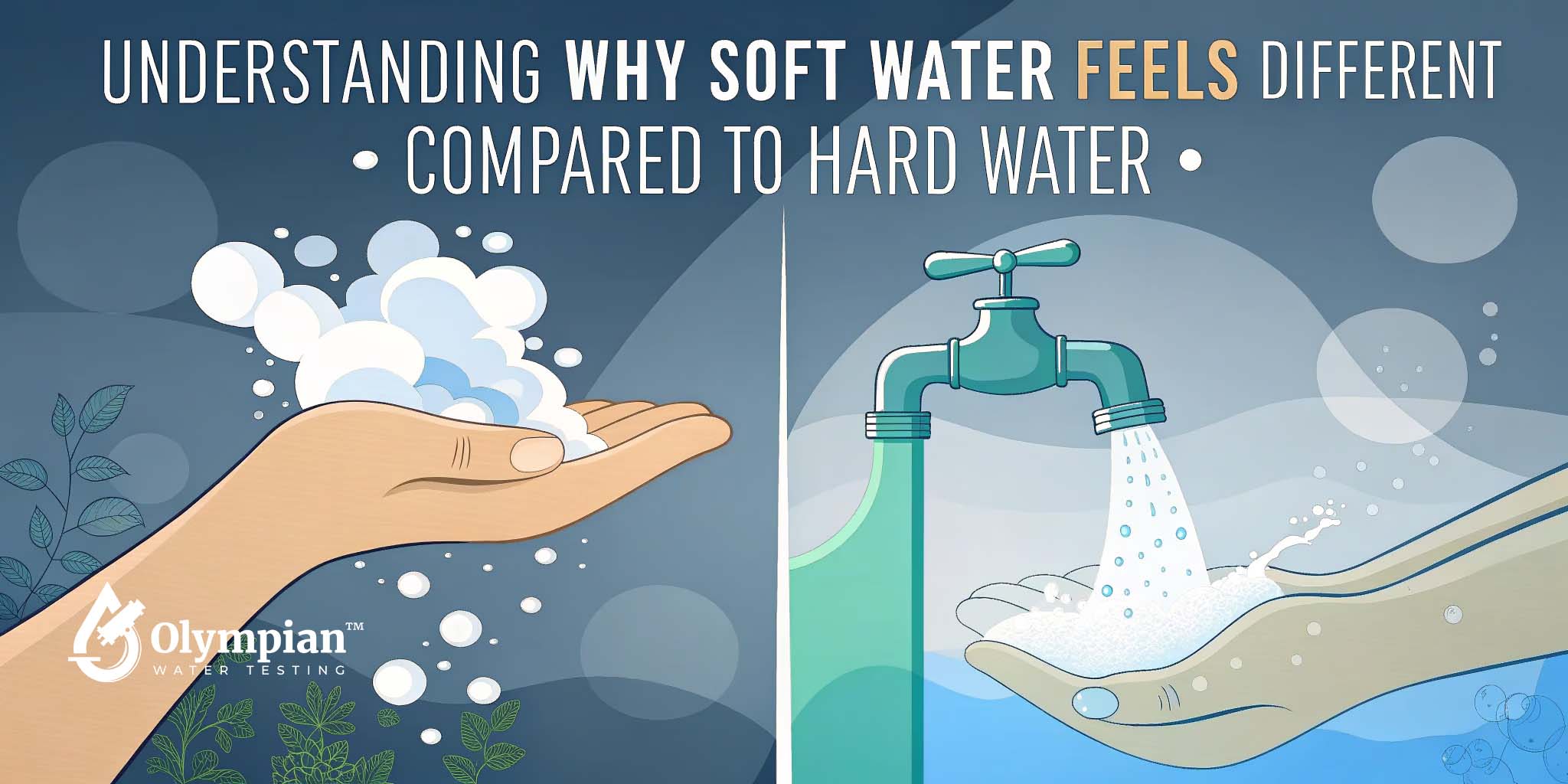
Ever felt a slimy sensation when using softened water? This sensation is tied to the water’s mineral makeup. Softening water replaces calcium and magnesium with sodium, changing how it interacts with soap.
The ion exchange in water softeners removes hardness minerals. This results in water with less than 1 grain per gallon (GPG) of calcium carbonate hardness. This change in minerals is why softened water feels smooth and slippery on your skin.
This slick feeling isn’t a sign of poor water quality. It actually shows that hardness minerals have been successfully removed. These minerals can cause soap scum buildup and skin irritation. Here’s a comparison of soft water and hard water:
| Soft Water | Hard Water |
|---|---|
| Contains less than 1 GPG of calcium carbonate hardness | Contains calcium and magnesium ions |
| Feels slippery or slimy with most soaps | Can lead to soap scum formation |
| Does not feel slimy with potassium-based soaps | Can contribute to skin dehydration and irritation |
The slimy feeling is more noticeable with lye-based soaps, due to their sensitivity to mineral changes. But, potassium-based soaps, like Dr. Bronner’s, may not cause this sensation as much.
Adjusting to the slick feeling of softened water may take time. Yet, it proves the softening process works well. By removing hardness minerals, soft water enhances soap interaction. This leads to better cleansing and a gentler experience for your skin and hair.
Soap Lathering and Efficiency in Soft Water
The type of water you use significantly impacts soap effectiveness. Softened water, with a hardness level below 1 GPG, outperforms hard water (7 to 10.5 GPG) in several ways. This distinction is key to understanding the advantages of soft water over hard water.
Softened water enhances soap performance dramatically. Without calcium and magnesium, soap lathers better, creating richer foam. This results in cleaner surfaces with up to 50% less soap than hard water.
Enhanced Soap Performance
Soft water’s benefits extend beyond lathering. It allows for:
- Up to 50% less detergent in laundry
- Up to 70% less dishwashing detergent
- Washing laundry in cold water, saving energy
These advantages not only cut down on cleaning costs but also make your home more eco-friendly.

Reduced Soap Scum and Residue
Soft water also minimizes soap scum and residue. Hard water leaves a cloudy film, dulling surfaces and potentially damaging them. Soft water ensures soap rinses off fully, preventing scum buildup.
This reduction in scum and residue affects many areas of your life:
| Aspect | Benefit |
|---|---|
| Dishes and Glassware | Less chance of spots or cloudy residue |
| Laundry | Cleaner, smoother clothes, avoiding stiffness and dullness |
| Skin and Hair | Smoother skin and hair, reducing dryness and irritation |
Choosing softened water improves your cleaning, extends appliance life, and enhances daily comfort.
Water Softener Operation and Maintenance
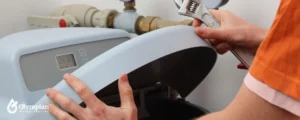
Water softeners are vital for keeping your home’s water quality high, with over 85% of U.S. homes using hard water. They work by exchanging ions, using resin beads to capture calcium and magnesium. The system is then flushed with saltwater during regeneration cycles, ensuring it runs efficiently.
Maintaining your water softener is key to its longevity and performance. Tasks include checking salt levels, as a family of four might use 40 pounds of salt monthly. It’s also important to monitor the resin beads, which can last over 20 years with regular backwashing.
Choosing the right regeneration method is critical for efficiency. Counter-current systems use 75% less salt and 65% less water than co-current systems. This makes them more eco-friendly and cost-effective. Both methods, though, can reduce hard water minerals by up to 99%, benefiting appliances and cleaning products.
| Regeneration Method | Salt Usage | Water Usage |
|---|---|---|
| Co-current | Higher | Higher |
| Counter-current | 75% less | 65% less |
While water softeners offer many advantages, their environmental impact is a concern. Brine wastewater can harm marine life due to high chloride levels. As a homeowner, consider eco-friendly alternatives or high-efficiency systems to reduce your water softener’s environmental footprint.

Debunking Common Myths About Soft Water
Many misconceptions surround soft water, causing confusion and concern for homeowners. Let’s examine some common myths and clarify the facts about water safety, soap film, and water softener operation.
Addressing Concerns About Water Safety
One widespread myth is that soft water is unsafe to drink due to sodium content. Yet, the sodium in softened water is very low. An 8-ounce glass of softened water has less than 12.5 milligrams of sodium, classified as "very low sodium" by the FDA. To understand this better, consider the following:
- A slice of white bread contains about 170 milligrams of sodium
- A slice of pizza can have upwards of 600 milligrams of sodium
- The average sodium content in an 8-ounce glass of harder water in Minnesota ranges from 10 to 30 milligrams
- Ocean water contains 1,035 milligrams of sodium in an 8-ounce glass
For most healthy adults, the recommended daily sodium intake is about 2,300 milligrams. Softened water’s sodium contribution is minimal compared to other dietary sources.
Clarifying Misconceptions About Soap Film
Another misconception is that soft water leaves a soap film on surfaces, making them feel slippery or slimy. In reality, soft water enhances soap lather and rinses away more completely. This reduces soap scum and residue buildup. Consider these facts:
- Soft water allows for reduced soap and detergent usage, potentially saving homeowners money on cleaning supplies
- Detergent savings of 70% are observed with soft water compared to hard water
- Soft water is 6 times more effective at reducing spotting and twice as effective at reducing filming compared to increasing detergent dose
The slick feeling sometimes associated with softened water is due to the absence of mineral deposits. This makes skin and hair feel cleaner and smoother.
Understanding the science behind water softening and its impact on our daily lives helps dispel these myths. By appreciating the benefits of a well-maintained water softener system, we can enjoy soft water’s advantages while ensuring our home’s water supply remains safe and efficient.
Managing the Slimy Sensation of Softened Water
After installing a water softener, you might notice a slimy or slippery sensation when using softened water. This is common for those adjusting to the absence of hard water minerals like calcium and magnesium. The sensation, though initially off-putting, can be managed by adjusting your water softener settings and balancing softness to your liking.
The slimy feeling often stems from salt-based water softeners, which replace hard water minerals with sodium ions. This process removes minerals that cause soap scum and limescale buildup, but it can make water feel slippery. To reduce this, consider these tips:
Adjusting Water Softener Settings
Adjusting your water softener settings can help minimize the slimy feeling. Most allow you to adjust softness levels based on your household’s needs. Start with a moderate softness level and adjust until you find a balance that offers softened water benefits without excessive slipperiness.
| Water Softener Setting | Softness Level (grains per gallon) | Typical Use |
|---|---|---|
| Low | 0-3 | For households with minimal hard water issues |
| Medium | 3-7 | Suitable for most households with moderate hard water |
| High | 7-10 | For areas with extremely hard water |
Balancing Softness and Personal Preference
Finding the right balance between water softness and personal preference is key. Softened water often requires less soap, so you might need to adjust your usage. Using less soap can prevent a slippery film on your skin and hair.
Switching to pure soaps without additives can also help. These soaps are less likely to create a slimy residue, allowing you to enjoy soft water without the unpleasant texture.
By adjusting your water softener settings and balancing the softness level with your personal preferences, you can effectively manage the slimy sensation associated with softened water. Regular maintenance, like ensuring resin beads function properly, can also help maintain consistent water texture and optimize your softening system’s performance.
Fine-Tuning Your Water Softener
Adjusting your water softener is vital for achieving the ideal water quality in your home. By tweaking settings and customizing softness levels, you can tailor your water to your liking. With a few adjustments, you can enhance your water softener’s performance and enjoy soft water that meets your needs.
First, determine your water’s hardness level. The US Geological Survey classifies water hardness into several categories:
| Water Type | Dissolved Minerals (mg/L) |
|---|---|
| Soft Water | 0-60 |
| Moderately Hard Water | 61-120 |
| Hard Water | 121-180 |
| Very Hard Water | 181+ |
Knowing your water’s hardness is the first step to adjusting your softener. Aim for a setting between 7-10 grains per gallon (GPG). Regularly test your water hardness to ensure your settings are correct and your system operates efficiently.
Adjusting the regeneration cycle is another critical aspect of fine-tuning. This process balances mineral removal and can be tailored to your needs. By adjusting the softness level, you can achieve the right balance for your household.
While soft water has many benefits, such as better cleaning and longer appliance life, too soft water can cause plumbing corrosion. It may also lack essential minerals like calcium and magnesium. To address these issues, consider installing a bypass valve or blending softened water with untreated water to maintain balanced mineral content.
Regular maintenance is essential for your water softener’s optimal performance. Annual professional service is advised, along with regular water quality checks. By maintaining your system and fine-tuning settings, you can achieve the perfect water quality for your home and family.
Alternatives to Traditional Water Softeners
Traditional salt-based water softeners are a common choice for hard water issues. Yet, they might not be the best fit for everyone. Salt-free water conditioners and reverse osmosis systems are viable alternatives. They don’t require salt or generate wastewater.
Salt-free water conditioners, like Aquasana’s Salt-Free Water Conditioner, provide a long-lasting solution. They don’t need salt, electricity, or wastewater. These systems change the structure of hardness minerals, preventing them from sticking to surfaces and forming limescale. They don’t remove minerals completely but reduce the slimy feel of softened water.
Reverse osmosis systems, in contrast, focus on purifying water by removing impurities, including hardness minerals. They offer high-quality water without changing its natural feel. This makes them a favorite for those who value water purity and taste.
When deciding between these alternatives, consider your water hardness levels and personal preferences:
| Water Hardness Level (GPG) | Recommended Solution |
|---|---|
| Below 15 GPG | Salt-free water conditioner |
| Above 15 GPG | Traditional water softener or reverse osmosis system |
It’s key to remember that salt-free conditioners and reverse osmosis systems have unique benefits. Yet, they might not be as effective for very hard water. In such cases, a salt-based softener, like Aquasana’s SimplySoft® 40K & 60K Grain Softeners, might be more suitable. These are IAPMO certified to NSF/ANSI Standard 44 for water hardness reduction.
The choice between these water softener alternatives depends on your specific water quality concerns and desired outcomes. Understanding the differences between salt-free conditioners and reverse osmosis systems helps you make an informed decision. This ensures you find the best option for your needs and preferences.
The Impact of Softened Water on Daily Life
Softened water significantly influences daily life, boosting appliance performance and simplifying cleaning routines. It reduces water’s mineral content, extending appliance life and making cleaning more efficient. This transformation is key to a smoother, more efficient home environment.
Enhancing Appliance Performance
Softened water greatly enhances appliance performance and longevity. Hard water, rich in calcium and magnesium, causes mineral buildup in appliances. This buildup can lead to clogs, reduced water flow, and malfunctions.
By removing these minerals, appliances function better and last longer. For instance, water heaters heat softened water faster. Dishwashers and washing machines clean more thoroughly with less detergent. This efficiency saves time, money, and reduces repair costs.
Transforming Cleaning Routines
Softened water also revolutionizes cleaning routines. Hard water leaves white stains and buildup on surfaces, making cleaning harder. Soft water prevents this, ensuring surfaces stay clean and look pristine.
It also makes cleaning more effective with less soap. Hard water’s minerals reduce soap’s cleaning power, leaving residue. Soft water, on the other hand, lathers better and rinses cleanly, saving on cleaning supplies and time.
| Water Hardness Classification | Parts per Million (ppm) | Milligrams per Litre (mg/L) of CaCO3 |
|---|---|---|
| Soft water | 10–75 ppm | – |
| Slightly Hard | – | 100–150 mg/L |
| Moderately Hard | 75–150 ppm | 150–200 mg/L |
| Hard water | 150–300 ppm | 200–300 mg/L |
| Very hard water | Over 300 ppm | More than 300 mg/L |
Understanding softened water’s effects on appliances and cleaning routines helps homeowners make informed decisions. While initial costs are involved, the long-term benefits of longer appliance life, reduced cleaning expenses, and improved efficiency justify the investment.
soft water vs hard water
The main difference between soft water and hard water is their mineral content. Hard water has more dissolved minerals, like calcium and magnesium. Soft water, in contrast, has much lower levels of these minerals. This mineral difference can cause problems in homes, such as limescale buildup and reduced appliance efficiency.
About 85% of the United States has hard water, with varying levels across different regions. Hard water contains high levels of calcium and magnesium, often exceeding 10 grains per gallon. Soft water, on the other hand, has less than 1 gpg of these minerals.
Hard water can significantly affect household appliances and plumbing. It can cause scale buildup, reducing appliance efficiency by up to 30% and shortening their lifespan by up to 15 years. This buildup also increases energy bills and maintenance costs for homeowners.
| Water Type | Mineral Content (mg/L) | Effects on Appliances | Soap Efficiency |
|---|---|---|---|
| Soft Water | 0-60 | Minimal limescale buildup | Improved by up to 50% |
| Moderately Hard Water | 61-120 | Some limescale buildup | Reduced effectiveness |
| Hard Water | 121-180 | Significant limescale buildup | Requires more soap |
| Very Hard Water | Over 180 | Severe limescale buildup | Greatly reduced efficiency |
Soft water, in contrast, offers several benefits. It can make soaps and detergents more effective, improving lathering by up to 50%. It also reduces the amount of product needed for cleaning by up to 50%. Soft water is gentler on skin and hair, potentially reducing irritation and dryness by up to 30% for those with sensitive skin or conditions like eczema.
While water softening systems can address hard water issues, it’s important to consider environmental impact. Traditional salt-based systems can introduce excess sodium into wastewater, harming aquatic environments. Eco-friendly alternatives, like descaling agents and magnetic systems, may offer a more sustainable solution for managing water hardness while minimizing environmental harm.
Softened Water and Cleaning Efficiency
Softened water can transform your cleaning routine, making it more efficient and effective. It reduces mineral content in your water, allowing detergents to work better. This results in spotless surfaces and fabrics.
One key benefit of softened water cleaning is enhanced detergent efficiency. Hard water, rich in minerals like calcium and magnesium, hampers cleaning product effectiveness. It requires 20-30% more soap and detergent to clean as well as soft water. Softened water, by removing these minerals, enables detergents to lather better and penetrate deeper. This leads to a more thorough clean.
Softened water also prevents soap scum buildup on surfaces. Hard water, when mixed with soap, forms a stubborn residue. This dulls surfaces and makes cleaning more time-consuming. With softened water, you can avoid soap scum and maintain spotless surfaces for longer.
| Cleaning Aspect | Hard Water | Softened Water |
|---|---|---|
| Detergent Usage | Requires 20-30% more | Allows for up to 50% less |
| Cleaning Effectiveness | Reduced by mineral interference | Enhanced by up to 50% |
| Fabric Longevity | Fades 30-50% faster | Retains colors and integrity longer |
| Soap Scum Formation | Stubborn residue buildup | Minimized, leaving surfaces cleaner |
Investing in a water softener can greatly enhance your cleaning efficiency. It saves you time and money in the long run. Softened water reduces cleaning product needs and extends appliance and fabric lifespans. Say goodbye to hard water frustrations and enjoy the convenience and effectiveness of softened water cleaning.
Soft Water’s Effect on Skin and Hair Health
Soft water significantly impacts your skin and hair health. Unlike hard water, it’s gentle and doesn’t cause irritation or dryness. Understanding soft water’s benefits can help you choose the right water treatment, improving your overall well-being.
Gentle Cleansing for Sensitive Skin
Soft water is great for sensitive skin. It cleanses without stripping natural oils, reducing irritation and dryness. This is important, as 50% of people using hard water for bathing experience these issues. Switching to soft water can reduce irritation and itching by 70% for those with sensitive skin conditions.
Water quality affects skin health differently across the U.S. Here are some statistics:
| City | Water Quality Score (out of 50) |
|---|---|
| Providence, Rhode Island | 12.9 (highest) |
| Helena, Montana | 13.3 |
| Charleston, West Virginia | Third highest |
| Indianapolis, Indiana | 39.4 (lowest) |
| Jackson, Mississippi | 37.6 |
| Frankfort, Kentucky | 36.9 |
Promoting Healthier, Shinier Hair
Soft water also makes your hair healthier and shinier. It allows shampoo to lather better and rinse away without mineral buildup. This prevents hair damage like dryness and breakage. Soft water also improves hair hydration and manageability, with a 60% improvement in texture and manageability after three months of use.
Additional benefits of soft water for your hair include:
- Reduced risk of split ends and hair loss
- Longer-lasting hair color
- Improved scalp health
Investing in a water softener, like those from American Water, offers many benefits. Soft water enhances your personal care routine and extends appliance life. It also makes your home more eco-friendly.
Environmental Considerations with Water Softeners
Understanding the environmental impact of water softeners is critical. Traditional salt-based softeners release salt-laden water into sewers. This can lead to high salt levels in water bodies, harming fish and aquatic life. Salt levels above 230 mg/L can be toxic, causing biodiversity loss and habitat destruction.
High salt levels in drinking water also pose health risks. This is a concern for those on low-sodium diets or with hypertension. Salt from water softeners can also damage infrastructure like roads and bridges. This increases maintenance costs and safety risks.
Sustainable Softening Practices
To lessen the environmental impact, adopting sustainable softening practices is key. Newer, high-efficiency water softeners use less salt and regenerate less often. This reduces salt output. Using potassium chloride as an alternative to sodium-based softeners is also less harmful to plants and animals, though it’s pricier.
Regular water testing can help determine if a water softener is needed. Not every home requires one. Optimizing softener settings and maintaining the system properly are also important for eco-friendly alternatives and responsible water softening.
| Softener Type | Salt Usage | Regeneration Frequency | Environmental Impact |
|---|---|---|---|
| Traditional Salt-Based | High | Frequent | Significant |
| High-Efficiency Salt-Based | Lower | Less Frequent | Reduced |
| Potassium Chloride-Based | Moderate | Less Frequent | Less Harmful |
| Salt-Free Conditioners | None | N/A | Minimal |
By considering the environmental implications of water softeners and adopting sustainable practices, we can protect aquatic ecosystems. We can also preserve water quality and extend the life of our infrastructure.
Addressing Health Concerns About Softened Water
One of the main health worries about softened water is its sodium content. Softening systems replace calcium and magnesium with sodium ions. This results in about 12.5 milligrams of sodium per 8-ounce glass, which is very low according to FDA standards. Yet, for those on low-sodium diets, this small amount can be a big deal. Studies show that a low-sodium diet can lower blood pressure by about 8 mm Hg.
It’s worth noting that most dietary sodium comes from processed foods and added salt, not softened water. The EPA suggests that sodium in drinking water should not exceed 20 milligrams per liter for those on low-sodium diets. Softened water usually has 50-100 mg/L of sodium, which is generally safe. But, for those with hypertension, high sodium levels in softened water might be a concern. To mitigate this, reverse osmosis filters can remove up to 99% of dissolved salts and minerals from water.
While sodium content is a focus, it’s important to remember that removing calcium and magnesium from drinking water is usually not a health issue for those with a balanced diet. Less than 10% of our daily mineral needs come from drinking water. Understanding the science behind water softening and its health effects allows you to address concerns and make informed choices about your drinking water. If you have specific health conditions or are on a low-sodium diet, it’s wise to consult with your healthcare provider for personalized advice.
FAQ
Why does soft water feel different compared to hard water?
Soft water feels slick or slimy because it lacks hard minerals like calcium and magnesium. These are replaced by sodium or potassium ions during softening. This sensation is not a sign of poor water quality. Instead, it’s due to better soap lathering and skin oil retention.
How does a water softener work?
Water softeners use ion exchange to remove hard minerals like calcium and magnesium. Resin beads attract and trap these minerals, replacing them with sodium or potassium ions. During regeneration cycles, the system flushes out the trapped minerals with saltwater, resetting it for continued softening.
What are the benefits of using softened water?
Softened water boosts cleaning efficiency by reducing detergent needs and preventing scum buildup. It also extends the life of water-based appliances by preventing scale deposits. Plus, it improves dish and glassware appearance by reducing mineral spots. Cleaning tasks become easier and more effective with soft water.
Does softened water leave a soap film on skin and surfaces?
No, softened water does not leave a soap film. In fact, it enhances soap lathering and ensures complete rinse-off. This reduces soap scum and residue buildup on skin, hair, and surfaces.
Can I adjust my water softener to reduce the slimy feeling?
Yes, adjusting your water softener settings can help manage the slimy sensation. Fine-tuning the softness level to your preference can reduce the slick feeling. Experimenting with different settings allows you to customize your water quality.
Are there alternatives to traditional water softeners?
Yes, alternatives include salt-free water conditioners and reverse osmosis systems. Salt-free conditioners neutralize minerals without fully softening the water. Reverse osmosis purifies water, providing high-quality water without altering its natural feel.
How does soft water affect skin and hair health?
Soft water is gentle on skin, retaining natural oils and leaving it softer. It’s better for sensitive skin than hard water. Soft water also benefits hair by allowing shampoo to lather better and rinse cleanly, resulting in healthier, shinier hair.
Are there any environmental considerations with water softeners?
Yes, water softeners involve environmental considerations, like salt discharge into sewer systems. Sustainable practices, such as using potassium chloride and optimizing settings, can reduce impacts. Choosing eco-friendly alternatives and maintaining the system responsibly contributes to environmental conservation.
Is softened water safe to drink?
Yes, modern water softeners ensure safe, high-quality water for drinking with proper installation and maintenance. While some may worry about sodium content, understanding the softening process dispels myths. This empowers you to address health concerns confidently.