Understanding Water Hardness and Its Effects
- Published:
- Updated: January 2, 2025
Listen to this article
Summary
Understanding water hardness and its impacts is crucial for both households and industries. Here’s why:
- Causes and Effects: Hard water contains high levels of minerals like calcium and magnesium, leading to scale build-up and reduced appliance efficiency.
- Measurement and Treatment: Water hardness is measured in milligrams per liter or grains per gallon. Treatments include water softeners, reverse osmosis, and chemical additives.
- Environmental Considerations: Treatment methods can have environmental impacts, so it’s important to choose eco-friendly options.

Water hardness is a factor of water quality that can impact households and businesses in various ways. Hard water is water with very high levels of dissolved minerals like calcium and magnesium. The level of water hardness can depend on the place and rocks and soil in the area. These minerals can have several unattractive effects like scale accumulation, water heater inefficiency and interfere with cleaning chemicals.
What Causes Water Hardness and Its Impacts
Water hardness is caused by the mineral deposits in the water supply containing calcium and magnesium. They can be mineral from rocks, soil or otherwise, which can enter the water supply via a spring or stream underground. Hard water is not harmful to health, but it can have various issues at home and workplace.
Hard water in the home can accumulate minerals inside pipes, appliances, and fixtures, reducing the capacity and the maintenance required. Hard water damages your water heaters causing them to have shorter life expectancy and be more expensive to run. You can also get accumulation in the dishwashers and washing machines that make them fail to clean properly and damage clothing. Hard water can build up in pipes in plumbing systems that reduce the flow and may lead to a leak. That can lead to a higher water bill and expensive repairs.
The health and hygiene aspects of the personal, hard water damages skin and hair, making them dry and itchy. Hard water can also be less latherable, which can make soap usage for bathing and washing clothes greater. The taste of drinking water from hard water, for example, can be metallic or bitter which may deter some from consuming adequate amounts of water for good health.
Measuring Water Hardness

The amount of hardness of water is usually described in milligrams per liter (mg/L) or grains per gallon (gpg). German degree of hardness (dH) is the standard measure and is equivalent to 17.8 mg/L of calcium carbonate. Know the hardness of your water so you know how to treat it best.
The water hardness in the United States is often expressed as grains per gallon (gpg). A water of 1 gpg is slightly hard and 10 gpg water is very hard. Note that the correct levels of water hardness are subject to change from source to source and always get an evaluation and treatment plan from a professional.
Effects of Hard Water on Home Appliances and Plumbing
Water that is hard can build up minerals in your appliances and plumbing which reduces efficiency and increases maintenance. There are dishwashers, washing machines, water heaters, and pipes that can all be harmed by hard water.
Hard water damage water heaters, reduces the life of your water heater and cost more to power. For dishwashers and washing machines, hard water deposits minerals that degrade the cleaning abilities and damage clothes. Water from hard water may build up in pipes in plumbing systems and slow the flow of water and create potential leaks. This can lead to more water use and expensive maintenance.
Learn how hard water damage your appliances and plumbing so that you can properly prevent and resolve the issue. Descaling and cleaning every year will reduce the impact of hard water and can prolong the life of appliances and plumbing.
Hard Water's Effects on Personal Hygiene and Health
As hard water is harmful to your health and personal hygiene, it should be resolved immediately. Mineral build-up on the skin and hair can dry out the skin, make ititch and make the soap less lather. This means spending more on bathing and laundry detergent, which is cumbersome and costly.
Also, the taste of drinking water can also be ruined due to hard water with metallic or sour taste. This smell could make you not drink enough water – which is very important for good health. It’s also because hard water tastes terrible, which can ruin its potential for using it to prepare food and drinks.
The effects of hard water on the personal hygiene and health is essential in taking action to avert and reduce such effects. Apply moisturizing products regularly and use water filtration to reduce hard water’s effects on skin and hair and taste the water more delicious. Your water test will help detect and treat hard water problems so you can have better personal hygiene and health.
Methods of Treating Hard Water
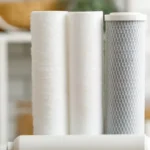
You can also get water softeners, reverse osmosis, chemical additions, and other methods of hard water treatment. ion exchange is how water softeners take out minerals in the water, which leaves the water smooth and free of minerals. Reverse osmosis removes the minerals by passing them through a semi-permeable membrane; you can also add chemicals to dissolve the minerals.
Water softeners are by far the most popular water treatment system and it works very well to get rid of the hard water minerals. They’re costly and need to be maintained regularly. Another option is reverse osmosis but it is quite costly and use lots of water. : The cheapest solution is chemical additives but, they may not be as effective as others and may need the chemicals added continuously to the water supply.
The Environmental Impacts of Water Hardness Treatment
There are different ways that water hardness treatment impacts the natural world. Other processes could use chemicals or use tons of water, others might leave behind waste or pollute a surface water stream. Knowledge of these effects will tell you the greenest way to treat it.
The water softeners, for instance, can hog up huge amounts of water and even use salt, which is environmentally damaging. There are pitfalls to reverse osmosis – rejected water has minerals in it that had been filtered out, and this waste water has to be disposed of. Even chemical preservatives are a environmental risk if not used and disposed of correctly.
Consider the ecological effects of water hardness treatment process and select the most eco-friendly solution. The right solution for you will depend on talking to a professional or looking online.
Understanding Hard Water Stains
Hard water stains are a household and industrial nightmare that is ugly and challenging to get rid of. These staining is caused by mineral deposits from hard water, and may be found on appliances, toilets, sinks, shower stalls, etc.
It’s possible to eliminate the hard water stains with a range of cleaning products and at home remedies like vinegar and baking soda. Be mindful of chemical cleaners as they are sometimes very aggressive and can harm your surfaces.
To avoid hard water staining, be sure to clean and disinfect appliances and fixtures on a regular basis and filter the water using a water filter. The regular cleaning and maintenance can also maintain the life of the appliances and other items and make them efficient.
Hard Water and its Effect on Plants
Also, plants are susceptible to hard water since the minerals in the water affect the growth and health of the plants. The mineral content of the soil can cause soil problems, depriving plants of a fertiliser that they need.
Preventing the damage hard water causes by flushing the soil regularly with soft water and filtering the water by a water filtration system to remove mineral content in the irrigation water. You also need to check soil fertility frequently and do things to promote soil health by adding compost and other organic material.
Irrigation with the right kind of water, likewise, can help avoid the detrimental effects of hard water on the plants. Rain is softer than regular water and is sometimes used to water plants sensitive to rain. : A water filtration system can reduce mineral levels in municipal water, which makes it suitable for irrigation.
With knowledge of how hard water affects plants, and with action to avert and treat it, people and businesses can provide their plants the best growth and health possible.
Hard Water in Different Regions and Recommended Levels
Water hardness varies a great deal from region to region, and it’s also suggested levels for optimal consumption at home and work. The general rule of thumb is that water with a hardness of 1 gpg is considered soft, and water with a hardness of 10 gpg is considered very hard. It’s important to know your water’s hardness and stay within recommended limits to get the best out of your home or business.
Note: Recommended hardness is not the same for all sources, and all purposes. The recommended levels for water might not be the same as the recommended levels for industrial applications. You should talk to a professional or research it to see what is right for you in your circumstances.
Water hardness and its effects are important to understand for the home and business. Minerals like calcium and magnesium in water, for example, can be a cause of a number of issues, from lower performance and higher costs for appliances and plumbing to personal hygiene and health.
Getting a measure of water hardness and knowing what levels should be used depending on your situation and needs is the initial step to treating hard water. Water softeners, reverse osmosis, chemical treatment are a few methods of hard water treatment, each having pros and cons.
Moreover, you should consider the environment-friendly approach for water hardness treatment and go for the greenest one. Inadequate maintenance and water filtration can also reduce the harms that hard water has on hygiene and health.
Getting to know water hardness and the impacts of water and then taking measures to prevent and remediate them can help households and businesses to keep their water system running smoothly and efficiently.
Share this on social media:
Facebook
Twitter
LinkedIn

Related Posts