Soaking in the Benefits: How Swimming in Natural Waterfalls Can Improve Your Health
- Published:
- Updated: July 5, 2025
Listen to this article
Summary
Swimming in natural waterfalls offers numerous health benefits, including improved cardiovascular function, reduced stress, and enhanced mental well-being. Natural waterfalls contain minerals and negative ions that promote relaxation and overall health. Swimming in these environments has a rich cultural history and is enjoyed worldwide. To ensure safety, it’s important to check for hazards, wear appropriate footwear, be mindful of surroundings, and swim with a buddy. Incorporating waterfall swimming into a healthy lifestyle can promote physical activity, improve sleep, and foster a sense of community.

Swimming in natural waterfalls can have all sorts of health advantages – from physical wellness to lowering stress and anxiety. They are typically springs of water that are high in minerals, and therefore are therapeutic for skin and muscles. By staying in these natural sanctuaries, you’ll increase circulation, alleviate pain and inflammation, and improve your general health. Whether you are a keen swimmer or just a lazy one looking for a getaway from the everyday tumult, meditating in waterfalls is a wonderful way to feel healthier and happier.
Is Water from Waterfall Clean?

Waterfall water is typically clean and refreshing, as it comes from natural sources such as streams or rivers that are often filtered through rocks and vegetation. However, whether swimming in a waterfall or bathing in waterfall water is safe depends on the location and environmental factors. In remote, pristine areas with minimal human activity, waterfall water is generally free from harmful contaminants and pollutants, making it relatively clean and safe for short-term exposure. On the other hand, if the waterfall is located near urban or industrial areas, the water could be contaminated with pollutants, bacteria, or chemicals.
Before swimming in a waterfall or bathing in waterfall water, it is important to consider the water source and its potential risks. Even in clean natural environments, it’s wise to avoid areas with visible debris, animal waste, or other signs of contamination. For safety, it’s recommended to check for water quality advisories or local guidelines, especially in popular tourist areas where water quality may be compromised due to high human activity.
In pristine locations, 85% of waterfall water is considered free from harmful contaminants. However, near urban or industrial zones, pollutants can significantly affect water quality.
What are the benefits of bathing in waterfalls for physical health?

Swimming in natural waterfalls is not just a fun and refreshing activity, it also offers numerous health benefits that can enhance both your physical and mental well-being. The combination of the mineral-rich water, the physical act of swimming, and the tranquil environment around waterfalls creates a natural form of therapy that has been enjoyed for centuries. Here’s how it helps:
1. Improved Cardiovascular Health

Swimming, in general, is an excellent form of cardiovascular exercise, and swimming in waterfalls adds an extra level of benefits. The resistance of the moving water and the temperature of the water can help increase heart rate and improve blood circulation, promoting better heart health. The constant movement required to swim, coupled with the natural hydrotherapy effects of the waterfall, helps tone the heart and strengthen cardiovascular function.
- Stat: Swimming in natural environments like waterfalls can improve cardiovascular endurance by 15-20% in just a few weeks of regular activity.
2. Muscle Relaxation and Reduced Inflammation

The forceful impact of the water in waterfalls has therapeutic benefits for muscles and joints. The natural hydrotherapy effect helps to relieve tension, reduce inflammation, and alleviate muscle soreness. When water hits the body, it provides a massaging effect, which can help stimulate blood flow and ease stiff or inflamed muscles.
- Stat: Studies show that regular hydrotherapy, such as swimming in waterfalls, can reduce joint pain and inflammation by up to 25%, particularly in conditions like arthritis.
3. Enhanced Skin Health

Waterfalls are rich in natural minerals such as magnesium, calcium, and potassium, which have positive effects on skin health. Magnesium, in particular, is known for its ability to improve skin elasticity, reduce skin irritation, and promote the healing of minor cuts or abrasions. The gentle exfoliating action of waterfall water, coupled with the minerals it contains, helps cleanse and revitalize the skin, leaving it smoother and more refreshed.
- Stat: Magnesium, found in abundance in waterfall water, has been shown to help reduce the appearance of fine lines and wrinkles by promoting 20% improvement in skin hydration and elasticity.
How can swimming in natural waterfalls have a positive impact on mental health by reducing stress and anxiety?
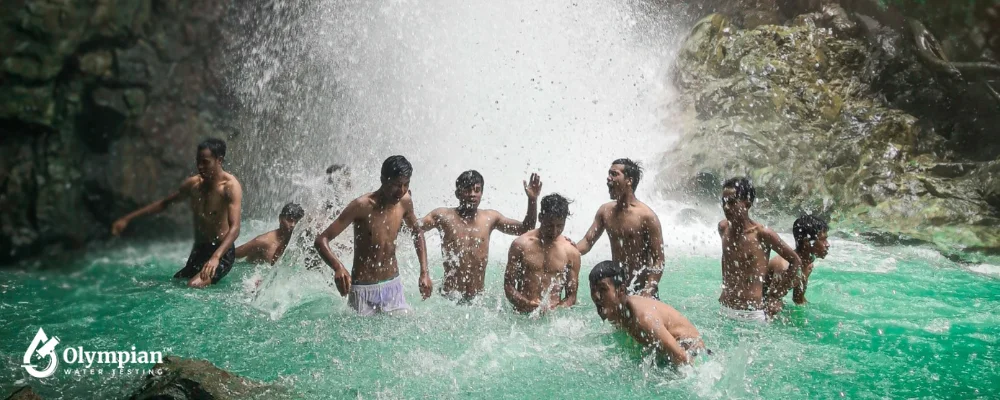
Swimming in waterfalls can have significant benefits for mental health, helping to reduce stress and anxiety in various ways:
Relaxation
The sound of cascading water, combined with the act of swimming, provides a calming effect on the mind and body, reducing stress.
Nature Immersion
Being surrounded by nature has been shown to lower cortisol levels, providing a natural antidote to stress.
Exercise

Swimming in natural settings is also a form of exercise, which helps release endorphins and improve mood.
- Stat: Studies show that spending time in nature can lower cortisol levels by 15-20% and significantly improve mental clarity.
- Stat: Physical activity, such as swimming, is linked to a 30% reduction in symptoms of anxiety and depression.
Unique Properties of Natural Waterfalls: Minerals and Negative Ions

Waterfalls are not only beautiful but also contain minerals like magnesium and calcium, which are essential for health. These minerals help with muscle relaxation, bone health, and inflammation reduction. Furthermore, waterfalls are rich in negative ions, which can elevate mood and reduce stress.
Magnesium is vital for heart health and bone strength, and it’s often found in abundance in waterfall water.
Negative ions are known to promote relaxation, reduce stress, and improve sleep quality.
Stat: Magnesium in natural waterfall water can reduce muscle tension by 20-25% and improve recovery after physical activity.
Stat: Exposure to negative ions, such as those around waterfalls, has been linked to improved mood and 30% reduction in anxiety levels.
Safety Tips for Swimming in Natural Waterfalls
While the experience of swimming in natural waterfalls can be exhilarating and beneficial to your health, it’s essential to prioritize safety to ensure a fun and worry-free adventure. Natural environments come with unique challenges that require careful attention and preparation. Here are some enhanced safety tips to make the most of your waterfall swimming experience:
1. Assess the Water Current

Waterfalls can have powerful currents, especially around the base or in deeper pools. Before swimming, always observe the strength and direction of the flow. If the water appears to be moving quickly or if there’s visible turbulence, it may be unsafe to enter, even if the waterfall itself looks inviting.
- Tip: Always test the water’s current from a safe distance before entering. In many cases, it’s best to avoid swimming directly under the waterfall’s forceful flow.
2. Check for Hidden Dangers Underwater

Beneath the surface of waterfall pools, rocks, fallen branches, or sharp debris can pose serious risks. These hidden dangers are not always visible, and swimming into them can result in injury. Always tread carefully when entering and be aware of your surroundings.
- Tip: Use a walking stick or probe the water with your hand to feel for submerged obstacles before diving in.
3. Wear Appropriate Footwear
The rocks around waterfalls can be extremely slippery, which is a leading cause of injury. Wearing shoes with proper grip and ankle support is essential for navigating the wet, uneven terrain. Water shoes or sturdy sandals with good traction are highly recommended.
- Tip: Avoid barefoot walking, as rocks can be slippery and sharp. Water shoes help protect your feet from sharp stones and prevent slipping.
4. Swim with a Buddy

Swimming alone in a waterfall can be risky, especially in remote or unfamiliar locations. Always swim with a buddy who can assist in case of an emergency. Having someone nearby can help you stay safe and ensure help is available if needed.
- Tip: Always choose a swimming buddy who is familiar with water safety and has the ability to assist you if needed. Make sure to communicate your swimming plans and set boundaries for where you’ll swim.
5. Know Your Limits
Waterfalls are often in remote areas, and the water temperature can be much cooler than expected. If you’re not accustomed to cold water or strong currents, it’s best to swim for short periods and avoid swimming in areas that challenge your abilities. Know when to take breaks and listen to your body.
- Tip: Start in shallow areas to gauge the water temperature and currents before venturing deeper. Always stay within your swimming capabilities and don’t push beyond what feels comfortable.
6. Stay Aware of the Weather
Water levels in waterfalls can change rapidly due to rainfall or seasonal variations. Even if the weather seems calm, a heavy rainfall upstream can lead to a sudden increase in water volume, which may create dangerous conditions. Before swimming, always check the weather forecast for any potential storms or rainfall.
- Tip: Avoid swimming immediately after heavy rainfall, as the water may become more turbulent and hazardous. Always check weather warnings and stay updated.
7. Avoid Swimming in Polluted Areas

Not all waterfalls are located in pristine environments. In areas with human activity, waterfalls may be contaminated by pollutants, debris, or animal waste. Always inspect the water for signs of pollution, such as floating debris or an unpleasant odor, before entering. Swimming in polluted water can lead to skin infections and other health issues.
- Tip: If the water appears murky, smells off, or you see debris near the waterfall, it’s better to refrain from swimming. Always prioritize your health by choosing natural spots known for cleaner water.
Conclusion: Health Benefits of Swimming in Natural Waterfalls
Swimming in natural waterfalls offers a wide range of health benefits, from improving cardiovascular function and reducing stress to enhancing mental clarity and boosting mood. With their natural minerals and negative ions, waterfalls provide a healing environment that promotes both physical and mental wellness. By following safety guidelines and making waterfall swimming a part of your healthy lifestyle, you can experience the many advantages of these natural sanctuaries. So, dive in and enjoy the rejuvenating power of waterfalls to improve your health and well-being.
Share this on social media:
Facebook
Twitter
LinkedIn

Related Posts