Understanding Water Cycle and Its Impact on Water Quality
- Published:
- Updated: December 16, 2024
Listen to this article
Summary
Understanding the water cycle’s natural filtration and cleaning system is crucial for maintaining water quality. Changes in the water cycle, such as increased evaporation or altered precipitation patterns, can affect water quality by concentrating pollutants or altering chemical balances. Human activities like urbanization and pollution impact the water cycle, exacerbating contamination issues. Implementing best practices and sustainable management can mitigate these impacts.
The interaction of the water cycle with other natural systems, such as the carbon and nutrient cycles, further influences water quality. Aquatic ecosystems play a vital role in maintaining water quality through natural filtration and cleaning processes. Climate change exacerbates water quality challenges by altering precipitation patterns and increasing pollution transport.

Water is the lifeblood of the entire planet, and the water cycle is what makes or breaks water quality and quantity. This is the water cycle, or hydrologic cycle – the energy-driven flow of water on, over and below the Earth’s surface. The cycle of water (which is composed of evaporation, precipitation, infiltration and runoff) is a critical component of the Earth system.
The Natural Filtration and Cleaning System of the Water Cycle
Water cycle works as a natural filter and decontaminator that determines the quality of water supply. Water circulating through the cycle is then subject to physical, chemical and biological effects to cleanse it of pollutants and impurities. Water dredges and scrubs its way through the soil through interaction with minerals and bacteria. Watershed animals and plants can help to filter water from marshes and streams.
Even the water cycle can lead to water pollution by concentrating pollutants and dispersing them across wide swaths. Runoff from land – from urbanization, deforestation or other land-use development – can increase erosion and pollution flows into water. A water cycle shift – more evaporation, less precipitation – can alter water quality by modifying chemical and nutrient compositions of the water column and the conditions that favour life. Water quality, meanwhile, can only be maintained and improved through knowledge and control of the human influence on the water cycle.
Changes in the Water Cycle and Their Impact on Water Quality

Modifications in the water cycle – whether that’s more evaporation or new patterns of precipitation – can be dramatic to water quality. Excessive evaporation, for instance, can cause pools of pollutants and other impurities to become too dense to drink. Changes in precipitation patterns can even impact water quality, varying how much and when water enters and exits watersheds, and therefore altering chemical and nutrient concentrations and aquatic ecology.
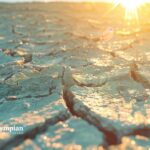
Droughts can make streams and rivers dry out, letting water clog and add up to pollutants and other pollutants. Runoff from the flooded land can lead to further erosion and flow of pollutants into waterways that are no longer fit for human consumption. Understanding the water cycle and the consequences of changing the cycle for water quality are fundamental to water resource management and to the protection of human health and the environment.
Human Activities and Their Impact on the Water Cycle and Water Quality
Human activity (like land use, or pollution) can impact the water cycle and water quality. Runoff and erosion can result from land use changes like urbanisation and deforestation, which can further push pollutants into a water body. Changes in land use can affect how water flows and flows naturally, and so can influence chemical and nutrient levels in water bodies and aquatic ecosystems.
The water cycle and water quality can be similarly influenced by human pollution from industries and agriculture. Chemicals, nutrients and pathogens can enter the water cycle from many sources, from industrial runoff, farm drainage and sewerage discharge. These pollutants can seriously contaminate water, rendering the water inedible for human use and harming aquatic environments.
In order to mitigate human effects on the water cycle and water quality, industrial and agricultural best practices should be employed, and disposal of wastes should be properly managed. This can include chemicals being less used, farming best practices, and treating the waste. People can contribute to a cleaner water by using fewer chemicals and throwing out household waste.
The Role of the Water Cycle in Water Treatment and Purification
We can even implement the water cycle for water purification and filtration. Reverse osmosis (found in many water treatment plants) makes use of the water cycle to draw out pollutants and contaminants. Here water flows through a semi-permeable membrane that filters out contaminants and pollution, leaving pristine water.
The water cycle is also applied to water for filtration by means of built wetlands, man-made structures whose purpose is to simulate the natural filters and cleaning activities of wetlands. The water in these systems is treated by filtering it and then by a process of bacteria and plants to clean it and make it better.
The Interaction of the Water Cycle with Other Natural Systems
The water cycle has effects that impact other natural cycles such as the carbon and nutrient cycles. This is the same with the carbon cycle and the water cycle, because carbon can be stored in aquatic systems and released to the atmosphere via respiration and decomposition. This carbon trade between water cycle and atmosphere can change water quality by changing chemical and nutrient concentrations in waters.
The same is true of the nutrient cycle — where nutrients like nitrogen and phosphorus circulate in the environment — which can interfere with the water cycle to affect water quality. Unwanted nutrients from agricultural runoff can reach water bodies and form toxic algal blooms that make water unsafe for humans and damage aquatic ecosystems.
The Importance of Maintaining Aquatic Ecosystems for Water Quality
Wetlands, lakes and rivers serve as a natural filter and washdown source of water. These are habitats for plants and animals that cleanse water of toxins and impurities during the water cycle. Aquatic ecosystems are vital food sources for many species and crucial to the health of the Earth system.
Water ecosystems can be damaged by land use, contamination and other human actions that negatively affect water quality. As wetlands are removed for urbanisation and farming, the natural filtering and cleansing ability of the water cycle is diminished, accelerating the transfer of contaminants into lakes and other bodies of water. Industry and agricultural pollution can damage aquatic organisms and ecosystems and decrease their capacity to sustain water quality.
Water quality must be protected and restored to water ecosystems and human interference with these ecosystems must be minimized if we are to continue to do so. These can involve things like wetlands protection, pollution control and the adoption of land use best practices. By keeping aquatic systems in a healthy state, we can create a natural filtration and washing of water that will not only help to clean it, but will help to restore the whole Earth system.
The Impact of Climate Change on the Water Cycle and Water Quality
Water cycle and water quality are directly affected by climate change, which changes precipitation, evaporation and the availability of water. The timing and intensity of precipitation events – droughts, floods – can alter water quality by influencing chemical and nutrient levels in bodies of water and conditions that favour aquatic organisms. With higher temperatures comes a evaporation, in the process water is thickened with pollutants and other pollutants and is no longer safe to drink.
The same climate change also impacts pollutants carried into water bodies: more land runoff results in increased erosion and pollution transfer into water. Sea level rise and ocean chemistry disruption from climate change can also impact coastal habitats and water quality. As the sea level rises, saltwater can flood freshwater systems, shifting chemical and nutritional levels in the water and killing aquatic life.
Water cycle and water quality effects of climate change must be mitigated through emissions reduction and adaptive practices, such as better water resource management and aquatic ecosystem protection. If we can act on climate change, we will guarantee future generations of water that is safe and sustainable, and will keep the system of Earth healthy.
The Economic and Social Benefits of Improving Water Quality
There are many economic and social benefits of improving water quality – more economic opportunity, improved public health, improved environmental quality. Improved water quality can boost the economy through businesses and tourism. Water quality can also deliver an aqueous water that’s reliable and safe to drink for human use, less susceptible to waterborne illness and more healthful for everyone.
A better water quality can sustain aquatic ecosystems – essential environments for many species, and the well-being of the Earth system as a whole. This, in turn, can have all kinds of positive effects: more biodiversity, better water, and better recreational access.
In order to gain as much economic and social value as possible from water quality improvement, water resources need to be well managed, and human effects on the water cycle should be minimized. These can include pollution mitigation, aquatic habitat restoration, and sustainable land use. We can invest in water quality to ensure a healthy, sustainable water supply, drive economic development and enhance the health and wellbeing of individuals and the natural world.
The Importance of Education and Outreach for Improving Water Quality
Education and outreach are also important aspects of water quality because they educate and involve people, communities and agencies with water resources management. Educate and inform about the water cycle, human effects on water quality, and how to safeguard and manage water supplies.
Learning and awareness campaigns can spread the word about water management best practices and motivate individuals and entities to act to maintain water quality. Educational campaigns can also help in encouraging water-saving technologies and techniques (including irrigation), and best management practices (for agriculture and industry).
You should involve multiple parties: people, communities, businesses and government agencies, in order to get the maximum effect of education and outreach. Together, we can spread the word and learn about the quality of water, and take steps to ensure that future generations have access to safe, sustainable water.
Water cycle and water quality — it’s the key to water resource management and human health and environmental sustainability. The management of water resources, from decreasing human disturbance to the water cycle, through the water cycle as a means of treatment and purification, to education and outreach can contribute to the improvement of water quality and the sustainability of a safe and sustainable water supply for the next generation.
Share this on social media:
Facebook
Twitter
LinkedIn

Related Posts