Understanding Water Conditioners and Softeners
- Published:
- Updated: January 12, 2025
Listen to this article
Summary
Water conditioners and softeners both address hard water issues, but through different methods. Water conditioners alter the behavior of minerals to prevent scale buildup, while softeners remove the minerals entirely. Choosing the right system depends on factors like water hardness, environmental impact, maintenance needs, and cost. Regular water testing is also essential for ensuring water potability and safety.
- Water Conditioners: Alter mineral behavior to prevent scale, are eco-friendly, and require low maintenance.
- Water Softeners: Remove hard minerals using ion exchange, offering effective solutions but requiring more maintenance and salt.
- Considerations: Environmental impact, maintenance, and local water conditions play key roles in choosing the best system.

When it comes to maintaining optimal water quality in residential settings, the debate between water conditioners and water softeners is a topic of substantial interest. This is particularly true in regions where hard water is a common problem, affecting the daily lives of residents by impacting everything from the effectiveness of household cleaning products to the longevity of plumbing systems. The need to address hard water challenges, combined with the pursuit of enhancing water potability, calls for an in-depth understanding of these two home water systems. As a seasoned expert in environmental consulting and water quality analysis, this article aims to shed light on the nuances that distinguish water conditioners from water softeners, while providing you with practical insights into selecting the best system for your needs.
With a growing awareness of environmental sustainability, homeowners are increasingly scrutinizing the ecological footprint of their water treatment systems. The choice between water conditioners and water softeners often hinges not only on performance but also on environmental considerations and long-term maintenance costs. Both systems offer distinct advantages and limitations, necessitating a comprehensive evaluation based on individual household needs. This article will also explore the importance of ensuring water potability, a critical aspect often overlooked in the conversation about water treatment solutions.
The Challenge of Hard Water
Hard water, characterized by high concentrations of calcium and magnesium ions, is a prevalent issue affecting numerous households. These mineral deposits can lead to a range of complications, including the buildup of scale in pipes, reduced efficiency of water heaters, and adversely affected soap performance. These issues not only increase the operational costs of household appliances but also contribute to frequent and costly maintenance. Moreover, hard water can leave unsightly deposits on dishes and fixtures, necessitating frequent cleaning and maintenance.
In addition to the aesthetic and functional challenges, hard water can have broader implications for household hygiene and health. Residues left by hard water can harbor bacteria and other contaminants, posing potential risks to human health. The prolonged exposure to hard water can also have adverse effects on skin and hair, often leading to dryness and irritation. As such, addressing hard water issues is not merely about convenience but also about ensuring a healthier living environment.
Impacts on Home Appliances and Systems

The presence of hard water not only affects personal use but also has significant implications for home appliances. The accumulation of scale can impede the performance of washing machines, dishwashers, and boilers, ultimately leading to increased energy consumption and premature equipment failure. Appliances that rely on water are particularly susceptible to hard water damage, as scale buildup can obstruct water flow and heat transfer, reducing their overall efficiency.
Over time, the additional energy required to heat water through a scaled system can significantly inflate utility bills, adding an economic burden on households. Furthermore, the need for more frequent repairs and the eventual replacement of damaged appliances can escalate costs. Therefore, investing in a water treatment system that effectively addresses hard water can lead to substantial long-term savings and improved appliance longevity.
Water Conditioners: A Chemical-Free Approach
Water conditioners offer a solution to hard water problems by employing various technologies that alter the behavior of calcium and magnesium ions without removing them. Unlike traditional water softeners, water conditioners do not use salt or chemicals, making them an environmentally friendly option. This chemical-free approach is particularly appealing to those who are concerned about the environmental impact of salt-based systems and the potential health implications of increased sodium levels in water.
Water conditioners are designed to be versatile and can be employed in various settings, from residential homes to commercial facilities. By addressing hard water issues without altering the water’s mineral composition, they maintain the essential minerals in drinking water, which some consumers prefer for health reasons. This technology is gaining traction among eco-conscious consumers who are seeking sustainable solutions to water quality issues.
Mechanisms of Action
Water conditioners utilize physical processes such as magnetic, electronic, or catalytic technologies to modify the structure of mineral ions. By altering their crystalline structure, these ions are less likely to adhere to surfaces, reducing scale formation and improving the efficiency of water-using appliances. The modified ions remain in the water but are rendered less problematic in terms of scaling, thus preserving the natural mineral balance of the water.
The specific technology used in a water conditioner can vary widely, with some systems employing magnetic fields to disrupt ion bonding, while others may use catalytic media to change the mineral crystallization process. Understanding these mechanisms can help consumers select a conditioner that best fits their water composition and household needs, ensuring optimal performance and satisfaction.
Advantages and Limitations
The primary advantage of water conditioners is their eco-friendly nature, as they do not produce waste brine or require the use of salt. Additionally, they are low maintenance and generally easier to install, often requiring no changes to existing plumbing configurations. This ease of use makes them an attractive option for homeowners who prefer a set-it-and-forget-it approach to water treatment.
However, it is important to note that water conditioners may not be as effective as water softeners in areas with extremely hard water. In such regions, the altered ions may still form some scale, albeit at reduced levels. Therefore, while water conditioners offer a sustainable and low-maintenance solution, their effectiveness can vary based on the severity of the water hardness.
Water Softeners: The Ion Exchange Process
Water softeners, on the other hand, operate through the ion exchange process, which effectively removes calcium and magnesium ions from the water. This system is widely recognized for its ability to produce soft water, thereby alleviating the issues associated with hard water. By completely removing the problematic minerals, water softeners provide a comprehensive solution that ensures maximum protection for appliances and plumbing systems.
The ion exchange process is a well-established technology, trusted by consumers and professionals alike for its reliability and effectiveness. Despite the maintenance requirements associated with water softeners, their ability to deliver consistently soft water makes them a popular choice in areas with high water hardness levels.
The Chemistry Behind Ion Exchange
In a water softener system, hard water passes through a resin bed containing sodium ions. As the water flows through the resin, calcium and magnesium ions are exchanged with sodium ions, resulting in softened water. This process not only removes the minerals responsible for scale and soap inefficiency but also ensures that the water is more compatible with soaps and detergents, enhancing their cleaning power.
Periodically, the resin is regenerated using a brine solution, replenishing the sodium ions and expelling calcium and magnesium ions as waste. This regeneration process is crucial for maintaining the system’s effectiveness and requires regular monitoring to ensure optimal performance. Understanding the chemistry and maintenance needs of ion exchange systems can help homeowners make informed decisions about their water treatment options.
Benefits and Considerations
Water softeners are highly effective in areas with high mineral content, providing softened water that enhances soap efficacy, reduces scale buildup, and extends the lifespan of appliances. The consistent delivery of soft water can lead to noticeable improvements in household cleaning and personal care routines, offering a tangible benefit to users. However, they do require regular maintenance, including the replenishment of salt and periodic resin regeneration.
Additionally, the use of salt in water softeners can raise concerns for individuals on sodium-restricted diets and for those concerned about environmental impacts. It’s important for consumers to weigh these factors against the benefits when considering a water softener. Consulting with a water quality expert can provide valuable insights into the suitability of a water softener for your specific circumstances.
Water Conditioner vs. Water Softener: A Comparative Analysis
When deciding between a water conditioner and a water softener, several factors should be considered, including water hardness levels, environmental impact, maintenance requirements, and budget constraints. Each system offers unique benefits and challenges, making it crucial for homeowners to assess their individual needs and preferences.
The choice between these systems can also be influenced by regional water conditions and local regulations, which may dictate or limit certain types of water treatment solutions. By understanding these factors and their implications, homeowners can make informed decisions that align with their values and lifestyle.
Environmental Impact
Water conditioners, due to their chemical-free operation, are generally more environmentally friendly than water softeners, which produce salt-laden wastewater. This is an important consideration for those looking to minimize their ecological footprint and avoid contributing to environmental degradation. For environmentally conscious consumers, this aspect may weigh heavily in favor of water conditioners.
However, it’s worth noting that advancements in water softening technology are continually being made, with some systems designed to minimize waste and improve efficiency. Exploring these new options can provide additional choices for those who wish to balance environmental concerns with the need for effective water softening.
Maintenance and Operational Costs
Water conditioners boast lower maintenance needs and operational costs compared to water softeners, which require regular salt refills and resin regeneration. This can be a significant consideration for homeowners seeking a low-maintenance solution. The reduced operational costs of water conditioners can offer long-term savings, making them an attractive option for budget-conscious consumers.
Conversely, while water softeners may involve higher upfront and ongoing costs, their effectiveness in removing hard minerals can result in reduced appliance repairs and energy savings over time. Evaluating the total cost of ownership for each system can help homeowners determine the most cost-effective solution for their needs.
Effectiveness in Hard Water Areas
In regions with extremely hard water, water softeners are often the preferred choice due to their ability to completely remove mineral ions. This ensures the consistent delivery of soft water, providing maximum protection against scale buildup and extending the lifespan of household appliances. Conversely, water conditioners may struggle to achieve the same level of performance in such conditions, making them less suitable for these areas.
Homeowners in areas with moderate to low water hardness may find that water conditioners offer sufficient performance without the need for a full-scale softening system. By assessing local water conditions and consulting with experts, individuals can choose a system that best meets their water quality needs.
Ensuring Water Potability
Regardless of whether you opt for a water conditioner or softener, ensuring the potability of your water is paramount. Water potability refers to the safety and cleanliness of water for human consumption, making it a critical consideration for any water treatment system. Regular water potability testing is crucial to verify that your water is free from contaminants and safe for consumption.
Water potability testing can help identify potential contaminants such as bacteria, heavy metals, and chemical pollutants, which may not be addressed by water conditioning or softening systems alone. By regularly testing your water, you can ensure that your treatment system is functioning effectively and that your water remains safe to drink.
Conducting Water Potability Testing
To maintain water quality, it is advisable to conduct regular water potability testing, especially if you rely on a private well or live in an area with known water quality issues. Testing can help identify potential contaminants and ensure that your water treatment system is functioning effectively. Professional testing services can provide comprehensive analyses of water quality, offering peace of mind to homeowners.
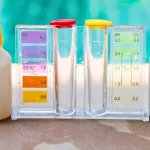
In addition to professional testing, home test kits are available for those who prefer to monitor water quality themselves. These kits can offer a convenient and cost-effective way to keep track of basic water parameters, allowing for timely interventions if issues arise. Regardless of the method chosen, regular testing is essential for maintaining safe and healthy water.
Practical Advice for Homeowners
When selecting between a water conditioner and a softener, it is essential to consider your specific water quality needs, budget, and environmental priorities. Each household’s requirements will differ, and understanding these individual needs is key to choosing the right system. Consulting with a water quality professional can provide personalized recommendations tailored to your situation, ensuring that you select a system that meets your unique requirements.
In addition to professional advice, conducting thorough research and comparing various products and technologies can empower homeowners to make informed decisions. Online resources, customer reviews, and manufacturer information can provide valuable insights into the performance and reliability of different water treatment systems.
Key Takeaways
- Water conditioners and softeners address hard water issues through different mechanisms, with conditioners modifying mineral behavior and softeners removing minerals altogether. Understanding these differences can help homeowners choose a system that aligns with their water quality goals and preferences.
- Environmental impact, maintenance requirements, and water hardness levels are critical factors in choosing the appropriate system. By considering these aspects, homeowners can make choices that support both their personal and environmental priorities.
- Regular water potability testing is vital to ensure safe and clean drinking water. This proactive approach helps maintain water quality and protects against potential health risks associated with contaminated water.
In conclusion, understanding the distinctions between water conditioners and softeners empowers homeowners to make informed decisions about their water treatment systems. By considering the advantages and limitations of each option, you can select a solution that aligns with your water quality goals and contributes to a healthier home environment. Ultimately, the right choice will depend on individual circumstances and priorities, underscoring the importance of thorough evaluation and expert guidance.
Share this on social media:
Facebook
Twitter
LinkedIn

Related Posts