Role of Water Testing in Ensuring Safe and Clean Drinking Water
- Published:
- Updated: January 2, 2025
Listen to this article
Summary
Water testing is essential for ensuring safe and clean drinking water. It helps identify contaminants like bacteria, viruses, chemicals, and pollutants that can pose health risks. Common contaminants include E. coli, coliform bacteria, nitrate, lead, and pesticides. Drinking contaminated water can lead to gastrointestinal illnesses, hepatitis A, lead poisoning, cancer, and birth defects. Testing frequency depends on factors like water source and plumbing condition. Responsibility for testing lies with water utility companies and private well owners. Treatment methods include filtration, disinfection, reverse osmosis, distillation, and chemical treatment. Legal requirements vary, but the EPA sets national standards for public water systems. Private well owners should test their water regularly and maintain their wells. Preventing contamination involves proper disposal of hazardous materials, maintaining septic systems, and avoiding pharmaceutical disposal in toilets. By understanding water testing and taking proactive measures, we can ensure safe and clean drinking water for ourselves and future generations.

Water is an important life-giving resource but it can also be poisoned by all manner of toxins that threaten humans’ health. So water testing is an important procedure in making sure that the water is suitable for drinking.
Understanding Water Testing
Water testing is a process of analysing the quality of water to determine its suitability for consumption. It involves the examination of water samples for the presence of contaminants such as bacteria, viruses, parasites, chemicals, and other pollutants. The testing is conducted by a certified laboratory that specializes in water testing. These water testing labs use advanced technologies and techniques to detect contaminants in the water, and the results are reported in terms of the concentration of the contaminants, which can be compared to acceptable levels set by regulatory authorities.
Water testing is vital in ensuring that drinking water is safe for human consumption. Without proper water testing, it would be impossible to know whether or not the water is contaminated, putting people’s health at risk. Therefore, it is critical to understand the water testing process and the common contaminants that are tested for.
Common Contaminants Tested for in Drinking Water

Among the contaminants that are most often tested for in water are bacteria, viruses, parasites, chemicals and other contaminants. There are several of the known contaminants, commonly tested for: E coli, coliform bacteria, nitrate, lead, pesticides.
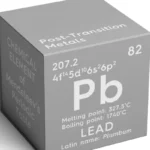
There are bacteria and viruses tested in water as they can be deadly GI disease, vomiting and cramps. Coliform bacteria is natural and can live anywhere in the environment, but if you’re drinking it, there might be something wrong with the water supply. Nitrates are a noxious industrial contaminant, and can cause infant death when they get too high in drinking water and develop a fatal blood condition called methemoglobinemia. Lead seeps into water from plumbing and other fixtures from the past, and it will lead to developmental delays, behaviour problems and lower IQ, especially in children. Pesticides are widely used to protect plants from pests but they can percolate into groundwater and end up in drinking water causing widespread health problems.
Potential Health Risks Associated with Contaminated Water
Humans can become severely ill from drinking polluted water. These individual risks to health are specific to the type and amount of contaminants in the water. Among the diseases that may be a risk to the health from drinking polluted water are digestive disease, hepatitis A, lead poisoning, cancer and birth defects.
Gastrointestinal diseases are the most frequent health threats to water tainted. They are infections brought on by bacteria, viruses and parasites, which result in diarrhoea, nausea and vomiting. The virus Hepatitis A spreads by infecting water and will make you shiver, feel weary, and yellow. Lead — lead can also have health complications, particularly in children: developmental delay, behaviour problems and low IQ. There are chemicals like benzene, a poison found in drinking water that has been implicated in cancer. If you are pregnant, some chemicals like nitrates can give birth defects in infants.
Frequency of Water Testing
It depends on what water you are drinking, what the plumbing is, and whether or not there are any known contaminants present in the area. It’s common for the drinking water to be tested every year or three years for private wells, and every three years for municipal systems. But if there is a known or suspected contamination of the vicinity, then test frequency might need to be higher.
The frequency of water testing is the difference between having safe, clean water and people drinking it. For places where contamination risks are high – for example, near farmlands or industrial sites – testing must be more frequent to ensure that the water is clean. How often you test the water is also determined by the age and state of the pipes. Leaks are more likely with older plumbing, which can poison the water supply.
Responsible Parties for Conducting Water Tests
The regulators and the consumers must take responsibility for drinking water that is safe and clean to drink. It’s up to the water utility companies and the private well owners to test the water and make sure it’s safe to drink. Individuals can also do something as simple as install water filters and test the water at least once a week to make sure it’s safe to drink.
It is the water service companies’ obligation to make sure their water complies with regulations. They’re supposed to test their water on a regular basis and follow these regulations. The private well owners are the ones responsible for making sure that their water is safe to drink, this means rechecking the water and keeping the well clean.
Also, customers can do something to themselves and make sure that their drinking water is not harmful. That means regularly testing their water, having water filtration installed, and doing the necessary things to keep their water supply clean.
Methods Used to Treat Contaminated Drinking Water
There are various methods used to treat contaminated drinking water, depending on the type and concentration of the contaminants. Some of the common methods include:
- Filtration: Filtration is a process of removing impurities from water by passing it through a filter. Different types of filters can be used, such as activated carbon, ceramic, or reverse osmosis, depending on the type of contaminants in the water.
- Disinfection: Disinfection is a process of killing or inactivating harmful bacteria, viruses, and parasites in water. Chlorination and ultraviolet (UV) radiation are common disinfection methods.
- Reverse osmosis: Reverse osmosis is a process of removing dissolved solids and contaminants from water by passing it through a semipermeable membrane under high pressure.
- Distillation: Distillation is a process of purifying water by boiling it and condensing the steam to remove impurities.
- Chemical treatment: Chemical treatment involves adding chemicals such as chlorine or ozone to water to remove contaminants.
The treatment method used depends on the type and concentration of the contaminants in the water. In some cases, a combination of methods may be necessary to ensure that the water is safe for consumption.
Legal Requirements for Water Testing
Legal water testing is not always required at all, based on the water source and its form. The EPA (Environmental Protection Agency) of the US prescribes the standards for safe drinking water, and public water authorities must test and maintain the standards on a regular basis. Federal regulation does not apply to private well owners but some states and municipalities require well water testing companies.
The United States federal law governing public water is the Safe Drinking Water Act. It forces public water districts to track and filtered water to the EPA’s national guidelines. The EPA also requires public water systems to issue a customer an annual water quality report that includes information about the water quality, where the water came from, and contaminants present in the water.
Some states and cities also have laws and regulations mandating private well testing. Private well owners, for instance, in California must test well water for nitrates, bacteria and other contaminants once every five years. Private well owners in New Jersey have to test their well water for coliform bacteria and nitrates every year.
Tips for Ensuring Private Well Water is Safe
Any sophisticated water treatment system has pros and cons and you need to select one based on your requirements and contaminants in your drinking water. If, for instance, your drinking water contains lead, then an ion exchange water filtration system may be right for you. And if your drinking water is full of chemicals, then an activated carbon filter might be a better option.
Also, the price and maintenance costs of each method. A reverse osmosis system, for instance, might be more expensive in the beginning, but may not need filters replaced as often as an activated carbon system.
Reverse osmosis, activated carbon, UV light disinfection, ion exchange, nanofiltration are some of the modern technologies available to purify tap water of contaminants. Each technique comes with pros and cons and you need to choose the method that works best for you and your water, as well as the contaminants you’re drinking.
Choosing the Right Water Treatment Technique
If you have a private well, it is your responsibility to ensure that your drinking water is safe. Here are some tips to help you ensure that your well water is safe:
- Test your water regularly: It is important to test your well water at least once a year for bacteria, nitrates, and other contaminants. If you live in an area where there is a high risk of contamination, you may need to test your water more frequently.
- Maintain your well: Proper maintenance of your well can help prevent contamination of your drinking water supply. Regular maintenance includes inspecting the well cap, checking the well pump, and keeping the area around the well free of debris and chemicals.
- Use a water filtration system: A water filtration system can remove contaminants from your drinking water, providing an extra layer of protection.
- Be aware of your surroundings: If you live near an agricultural area or an industrial site, be aware of the potential for contamination of your well water.
- Be prepared for emergencies: In case of a water contamination emergency, it is important to have a backup supply of clean water. Store enough bottled water or have a water filtration system on hand to ensure that you have access to clean water in case of an emergency.
Tips for Preventing Contamination of Drinking Water Supplies
Water contaminated with contaminants should be prevented to provide clean and safe drinking water. These are some prevention suggestions for water quality:
Properly dispose of toxic material: Avoid the improper disposal of hazardous materials like pesticides, motor oil, cleaning supplies etc. which may seep into the ground water.
Keep your septic system clean: A bad septic system pollutes the groundwater and can contaminate drinking water.
Do not flush pharmaceuticals down the toilet: Do not flush medications down the toilet as they can contaminate ground water.
Know where contaminants may come from: Know where contaminants may come from in your neighborhood, like landfills, hazardous waste sites, or factories.
Only use approved well construction materials: When digging a new well or replacing an existing one, always use only approved well construction materials to avoid contamination of the groundwater.
Water testing is the fundamental step towards the clean and safe water. It can detect the contaminants present in the water which can have very serious health effects on humans. It’s crucial to know what is the procedure of testing water and the major contaminants that are screened, and how you can take steps to make sure drinking water is clean and safe to drink. We can all work together to make sure our drinking water remains healthy for us and for our children. Water testing, regular plumbing and well maintenance, and the prevention of contamination will keep our water clean and hygienic. When we know where contaminants can be found, and what to do about them, all of us can contribute to maintaining the quality and safety of our drinking water.
Share this on social media:
Facebook
Twitter
LinkedIn

Related Posts