Understanding Different Methods of Water Purification and Their Analytical Requirements
- Published:
- Updated: January 6, 2025
Listen to this article
Summary
Understanding the various methods of water purification and their analytical requirements is essential for ensuring access to clean and safe drinking water:
Methods of Water Purification: Various methods like reverse osmosis, ultraviolet sterilization, chlorination, activated carbon filtration, distillation, and ion exchange offer unique ways to remove contaminants from water, each with specific strengths and limitations.
Determining the Best Method: Factors such as the specific contaminants present, desired purification level, cost, efficiency, and impact on taste and mineral content influence the choice of purification method.
Analytical Requirements: Accurate water testing is crucial, involving bacterial and viral testing, chemical analysis for contaminants like lead and pesticides, metal and radionuclide testing, conducted by certified professionals using specialized equipment.

Clean, safe water is a human right and water purification is one way we can provide this right. There are so many different water purification methods to choose from that it’s difficult to know which one is best for your particular water source.
Methods of Water Purification
There are various kinds of water filters and they all have their pros and cons. The most typical ones are:
Reverse osmosis
Ultraviolet sterilization
Chlorination
Activated carbon filtration
Distillation
Ion exchange
All of these processes work in their own different ways to clean water and the best procedure for a given water source will vary depending on the contaminants that you have in your water and the purification you are looking for.
For instance, reverse osmosis is an efficient process that can purify any quantity of water of any kind, be it bacteria, viruses or chemicals. This is done by filtering contaminants through a semi-permeable membrane, and it can filter even fine particles like salts and minerals. But reverse osmosis is expensive and time-consuming, and can strip water of important minerals that make it taste muddy and nutrient-depleted.
Ultraviolet sterilisation kills bacteria and viruses quickly and effectively but is not always a perfect way to kill everything. This works by exposing water to UV light that destroys bacteria and viruses by damaging their DNA.
Also, chlorination is another water treatment that we commonly use in public water supply to kill bacteria and viruses. This is done by adding chlorine to the water which kills pollutants in contact. But chlorination also emits potentially hazardous byproducts, like trihalomethanes, that are dangerous to humans.
Another form of water purification that is used to detoxify water is activated carbon filtration which is often used to remove chemicals from water, including pesticides and chlorine. The process is a bed of activated carbon that takes contaminants and can be used to purify water at low cost and with great efficacy.
Distillation purifies water by boiling water and then sucking the water as it condenses. This process works for many types of contaminations such as bacteria, viruses, and chemicals but it’s time-consuming and costly.
Ion exchange is a water treatment that works by exchanging ions in the water with ions in a resin bed. It works well for taking out minerals (caustic and magnesium) from water and is often coupled with other treatments (reverse osmosis) to help with water quality.
Determining the Best Method for a Given Water Source

There are several factors to consider when figuring out the best treatment for any given water body:
What the chemicals in the water are exactly.
The desired level of purification
Cost and performance of the purification process.
Effects of the process on the flavor and minerality of the water.
For instance, reverse o osmosis is probably the best way to get rid of lots of contaminants (bacteria, viruses, chemicals), but might not be the most efficient or affordable way for a water source. Ultraviolet sterilisation can be an effective and rapid method of killing bacteria and viruses, but it won’t necessarily get rid of everything.
If you’re trying to figure out how to do it right for a water source, have the water tested for specific contaminants. That data then informs how to best clean those contaminants, given the price, efficiency and the impact on the water’s taste and minerals.
The Analytical Requirements for Water Purification
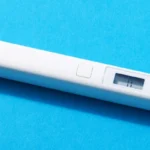
To accurately assess and monitor water quality, it’s important to have a thorough understanding of the analytical requirements for water purification. This includes a range of tests and measurements, including:
- Bacterial and viral testing to determine the presence of harmful organisms
- Chemicals in water testing to determine the levels of contaminants, such as lead and pesticides
- Metal testing to determine the levels of metals, such as lead and copper
- Radionuclide testing to determine the levels of radioactive isotopes
These tests and measurements should be performed by trained and certified professionals, using specialized equipment and techniques. Accurate water testing is critical in ensuring that water purification methods are effective in removing contaminants, and in protecting public health and safety.
The Impact of Water Purification on Mineral Content and Taste
Water purification can be detrimental to water minerals and tastes, so take into consideration these effects when you decide on a purification technique. Reverse osmosis, for instance, can flush valuable minerals out of water, making it taste like crap and empty of nutrients. Processes like ion exchange remove minerals from water like calcium and magnesium which are unhealthy.
Consider the effect of water purification on the mineral and taste of the water when selecting a technique, and adjust accordingly. So, for instance, adding minerals back to filtered water, or any combination of these ways to remove contaminants without removing minerals or the flavor of the water.
The Role of Water Quality Testing Laboratories
Water quality labs are the first line of defence in making sure water purification results are correct and people are not hurting. Such laboratories are equipped with special equipment and methods to ensure that water is properly tested for contaminants, and to keep track of how water purification works.
The best choice to be sure of the results you get from water testing is to select a trusted and certified water quality testing laboratory. It should be a laboratory with a track record of correct and reliable results and with staff members who have the expertise.
Optimizing Water Purification Systems for Maximum Efficiency and Performance
For your water purification system to run at optimum efficiency and performance, it’s recommended to maintain and operate it according to the recommended best practices. It is a daily cleansing and maintenance of the purification system, replacement parts and filters of excellent quality, monitoring the condition of the system so as to resolve the problem as it develops.
The water quality should also be checked on a regular basis to ensure that the water treatment system is cleaning the contaminants and improving the water quality. When maintained and operated according to industry standards, households and communities can ensure that their water treatment systems are functioning at peak efficiency and performance, and that they have clean and safe water available to them.
Regulatory Requirements for Water Purification
There are a host of regulatory guidelines for water purification, created for public health and safety. These standards are imposed by government departments like the Environmental Protection Agency (EPA), and they cover drinking water quality, water treatment plants, and water purification facilities.
These standards are designed and operated so as to keep water treatment plants safe for public health and safety, and to ensure water treatment plants are supplying public water that is clean and safe. Also they ensure water filtration procedures work effectively to remove impurities and clean water.
Accessing Safe and Reliable Sources of Drinking Water
As a human right, people need safe and reliable sources of drinking water and every person and society should have safe and safe drinking water. You can do this many ways, such as by hooking up to a public water system, a private well or a water treatment plant.
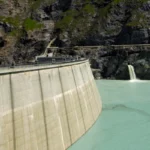
Water treatment plants are important sources of clean water for public consumption, and these facilities employ many techniques, from reverse osmosis to ultraviolet sterilisation to ion exchange, to flush out pollutants and improve water quality. They are regulated facilities and are in charge of making sure the water they supply is clean and free from contaminants.
Purification of water is a very important part of getting access to pure and safe water. Once homes and communities know which water treatment is best, how it must be analysed, and what its mineral and flavour impacts, they can choose a water supply wisely. Regular water testing and proper water purification can help us to maintain clean and safe water and our health and wellbeing.
Share this on social media:
Facebook
Twitter
LinkedIn

Related Posts