Why Water Purity Matters in Every Home
Clean water is essential for health at all ages. Families concerned about tap water quality often opt for filtration systems. These systems remove odors, tastes, and harmful substances, ensuring confidence in every drink and meal.
Some contaminants evade basic treatments, prompting many to choose advanced filtration systems. These systems can block chemicals and metals, safeguarding against health risks. This boosts security when drinking, cooking, or filling sports bottles.
Discussions about water purifier benefits frequently arise during kitchen renovations. Reverse osmosis devices are a favorite choice. They effectively remove tiny particles while maintaining water quality. This empowers families to invest in filtered water solutions.
Experts advise thorough research before choosing a purifier. A reliable unit alleviates concerns about what’s in the water we drink.
Contaminant | Possible Effect | Potential Solution |
Lead | Neurological Damage | Reverse Osmosis Filtration |
Chlorine | Unpleasant Taste | Carbon-Based Filters |
Sediment | Cloudy Appearance | Sediment Pre-Filters |
Under Sink Reverse Osmosis: The Basics
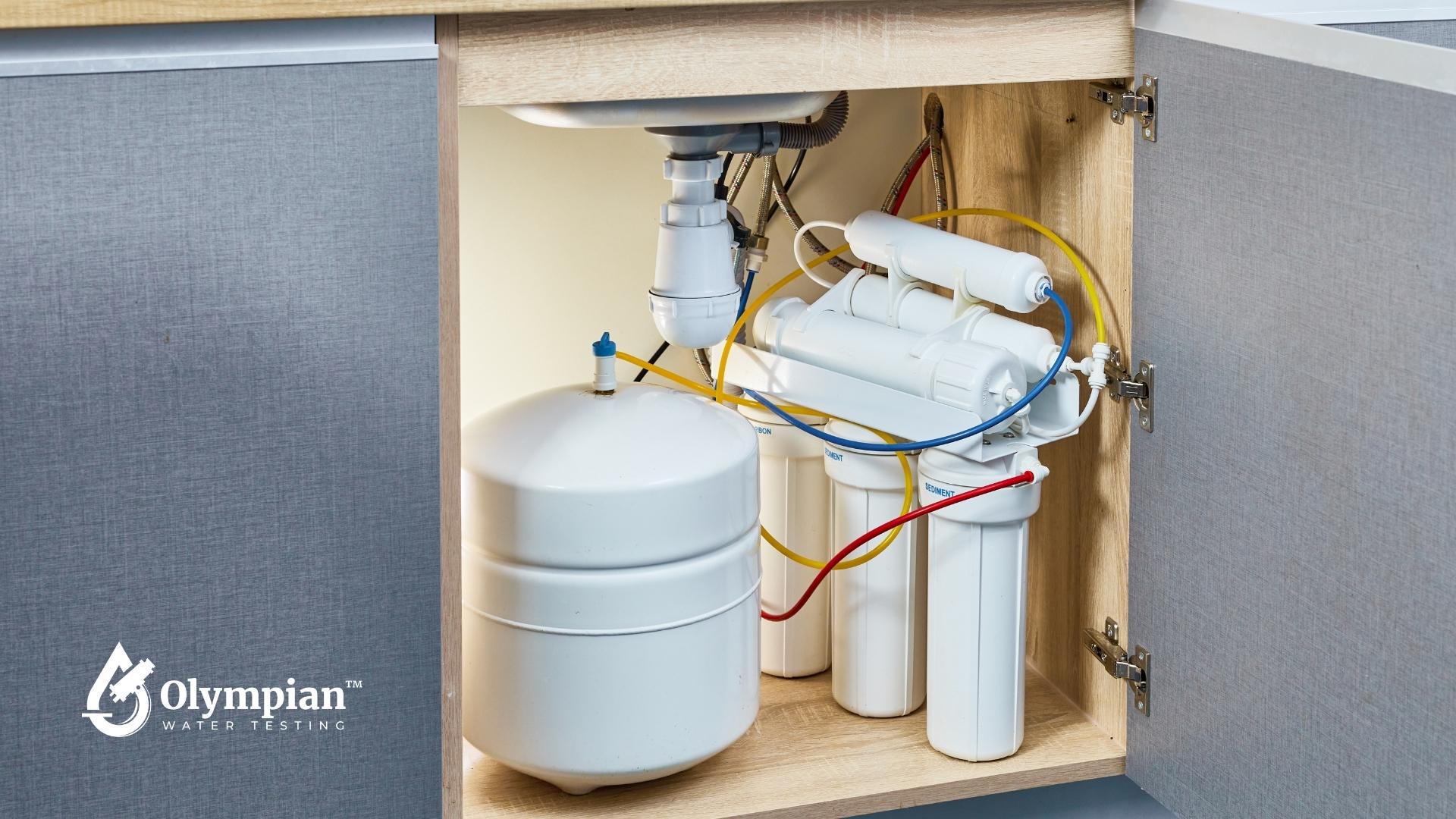
An under sink design offers clean water directly from a dedicated faucet, making it a preferred choice for everyday hydration. Many seek the best under sink reverse osmosis system for its reliability and efficiency. It’s a discreet setup that meets these needs.
Core Filtration Stages
Most models feature a sediment pre-filter, activated carbon layers, and a semi-permeable membrane. Each stage targets different contaminants, from particles to harmful substances. A final polishing filter ensures every glass of water is pure and refreshing.
Space-Saving Advantages
By combining these stages in a single unit, valuable countertop space is preserved. These units fit neatly into lower cabinets, freeing up space for meal prep and cooking. They are ideal for both apartments and larger homes.
Addressing Common Contaminants
Lead, arsenic, and chlorine are among the contaminants targeted by each filtration step. The membrane blocks salts and other dissolved solids, ensuring drinking water remains pure. Choosing the best under sink reverse osmosis system leads to healthier, more refreshing drinking water every time.
Key Benefits of Installing a Reverse Osmosis System
Many households choose this technology to safeguard their water from harmful substances like lead, chlorine, and fluoride. It also removes arsenic, nitrates, and bacteria. This advanced filtration enhances health and brings a refreshing taste to every glass.
Cost savings are a significant advantage of using an RO unit over bottled water. The average American spends over $400 annually on bottled water, consuming about 45.2 gallons each year. In contrast, an under-sink system offers a continuous supply of purified water at a much lower cost. This highlights the long-term financial benefits for families nationwide.
Consumers also appreciate the improved flavor in cooking and beverages. Cleaner water enhances meal quality, and drinks taste better without chemical additives. This shift reduces plastic waste, as over 60 million plastic containers end up in landfills daily. Adopting an RO system benefits both your home and the environment.
Understanding Under Sink Reverse Osmosis System Cost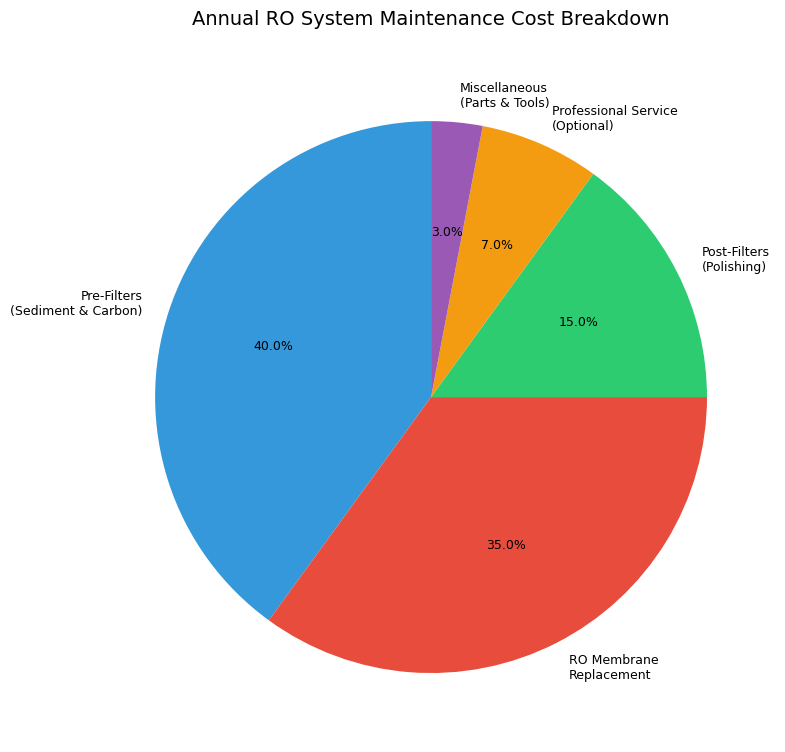
Homeowners often look for a filtration system that aligns with their budget. Basic under-sink units cost between $150 and $600. This price varies based on the brand, the number of filtration stages, and additional components like booster pumps. Premium brands, such as Culligan, can cost between $1,000 and $1,500. These are ideal for those seeking advanced technology.
Brands like GE Pro Elite and EcoPure offer more affordable options, priced between $150 and $250. These choices are perfect for those on a tighter budget.
Understanding the cost of under sink reverse osmosis systems helps buyers make informed decisions. Installation costs can range from $150 to $500. This is influenced by labor rates and the complexity of the system. Some systems may require additional drilling or hardware, but many find these upgrades worthwhile.
Initial Purchase Price
Entry-level systems are attractive to those watching their spending. It’s important to consider any additional costs. Mid-tier and top-tier systems offer more features but come with a higher initial cost.
Long-Term Operational Expenses
Annual filter replacements cost around $100 to $150. This includes costs for pre-filters, post-filters, and membranes. Pre-filters generally need to be replaced every six to twelve months. The RO membrane can last two to five years. Water waste is typically minimal, and standard models require little electricity.
Noteworthy Brands and Model Highlights
Many shoppers look for the best under sink reverse osmosis system. They want it to be safe and convenient. Luckily, there are options in both premium and affordable ranges. This makes it easier to find the perfect fit for any home.
High-End Options
AquaTru leads with its patented TruPure RO Sanitizer. It prevents bacterial buildup between filter changes. Its four-stage purification tackles sediments, chemicals, and organic compounds in one unit. Plus, routine tank sanitization is simplified with an annual maintenance feature.
Budget-Friendly Alternatives
iSpring’s RCC7 line is a favorite for those seeking reliable filtration at a lower cost. It removes sediments, treats with carbon, and has an effective membrane. This model is designed for quick installation and comes with a supportive warranty.
Brand | Stages | Special Feature | Ideal For |
AquaTru | 4 | Patented TruPure RO Sanitizer | Premium seekers |
iSpring RCC7 | 5 | Easy setup, solid carbon filtration | Budget-conscious buyers |
Installation Tips for First-Time Buyers
Many homeowners feel more confident when they begin with clear guidance and proper preparation. These reverse osmosis installation tips include measuring cabinet dimensions, gathering the right tools, and checking local plumbing rules before drilling. A stable surface beneath the sink keeps the system secure, and a small hole behind the faucet area provides a neat spot for the water line.
Some choose a step-by-step resource such as this guide to walk through each stage. Careful drilling prevents damage during faucet or drain connections. Turning off the cold water supply, installing the adapter, and attaching the 1/4-inch tubing need steady hands and patience. Testing for leaks by switching on the supply slowly avoids surprises later.
Safe techniques reduce the risk of faulty connections, and a licensed plumber may be consulted when in doubt. A balanced approach means fewer frustrations and a quick route to cleaner water. Observing these reverse osmosis installation tips helps first-time buyers achieve a smooth, reliable setup.
Maintenance Factors That Affect Cost
Keeping an under sink purifier in top shape requires regular care and vigilance. Regular checks ensure membranes and filters remain effective, maintaining water quality. RO system upkeep involves following recommended schedules and monitoring performance indicators for part replacements.
Choosing brands like APEC or iSpring is wise, as their manuals offer clear maintenance guidelines. Planning for maintenance helps avoid unexpected repair costs and ensures consistent water flow.
Filter Replacement Schedules
Different parts of the filtration system have varying lifespans. Sediment and carbon blocks typically need to be replaced first, while the membrane can last longer with proper pre-filter care. A structured schedule prevents pollutants from accumulating, protecting water taste and system performance. Simple reminders in a calendar or phone app help track important replacement dates.
DIY vs. Professional Service
Some owners prefer to handle maintenance themselves, ordering parts online and following brand instructions. On the other hand, professional technicians conduct detailed inspections that uncover hidden issues. This balance between convenience and cost leads to a cost-effective maintenance plan for long-term performance.
Evaluating Practical Return on Investment
Families often weigh initial expenses against the financial relief they gain over time. The cost of regular bottled water purchases can strain budgets more than expected. An under sink unit from a known brand like Culligan may repay its cost sooner than most anticipate. One hidden advantage lies in the daily convenience of having clean water on tap.
That immediate access often encourages better hydration and reduces plastic waste. Long-term gains are not just about dwindling water bills. A reliable system raises confidence in everyday routines and lowers the urge to rely on constant replacements of disposable options.
This approach to home water filtration can be a fine balance for those deciding whether a point-of-use setup or a whole-home arrangement is the right fit. Geographical factors and local water conditions play a part in how quickly expenses are recovered. Many users appreciate the blend of streamlined upkeep and consistent quality, reassuring them that investing in cleaner water has real benefits.
How to Compare Warranties and Customer Support
Smart shoppers understand the importance of a reliable warranty. It offers peace of mind and shapes the overall value. The fine print is critical, detailing who covers shipping, what defects are included, and on-site service policies. Understanding these details prepares buyers for unexpected issues.
Customer support is essential for any water filtration system. A manufacturer with quick phone or online support can quickly resolve technical problems. Some brands even offer in-home service, ensuring a hassle-free experience.
When choosing the best under sink reverse osmosis system, research trusted brands. APEC Water Systems, Home Master, and iSpring offer warranties that protect your investment. Quick service and helpful representatives enhance long-term satisfaction. Opting for a system with a strong warranty can save on replacement costs over time.
Brand | Typical Warranty | Support Options |
APEC Water Systems | 1-Year Full Coverage | Email, Phone |
Home Master | 5-Year on Most Parts | Online Chat, Phone |
iSpring | 1-Year Limited | Phone, Live Chat |
Real-World Pricing Examples
Homeowners often look for a balance between cost and performance when considering under sink reverse osmosis systems. Each household’s needs are unique, leading to a closer examination of what different price points offer.
Basic units are suitable for apartments and smaller families needing reliable filtration. These systems, with fewer stages, can handle common impurities without breaking the bank.
Standard Models
Systems in this category typically have three to five filtration stages. Brands like APEC and iSpring include sediment and carbon filters, along with an RO membrane. This combination addresses typical tap water issues effectively, providing a cost-effective solution for taste improvement and everyday convenience.
Premium Systems
Premium models come with additional features such as booster pumps or mineral-enhancing cartridges. Brands like Home Master and Culligan offer longer warranties and leak sensors. These features make them perfect for households seeking advanced protection. While the cost increases, the added features offer peace of mind.
Brand | Model Type | Filtration Stages | Approx. Price Range |
APEC | Standard | 5 | $200–$350 |
iSpring | Standard | 4 | $180–$320 |
Home Master | Premium | 7 | $450–$600 |
Culligan | Premium | 6 | $500–$700 |
Finding the Best Deals Online and In-Store
Securing the right price for an under sink reverse osmosis system can significantly impact a household. Online retailers like Home Depot, Lowe’s, and Amazon frequently offer markdowns that cater to various budgets. They also provide a wide array of trusted brands.
Customers can find exclusive coupons that further reduce costs. Reading reviews from trusted sources is essential. It ensures peace of mind, knowing that dependable home water filtration comes from established brands like Culligan or APEC.
Local stores sometimes offer weekend promotions on specific models. National chains host sales events, leading to significant discounts. Timing your purchase is key to saving on home water filtration equipment.
Some savvy shoppers look for end-of-season deals to snag older designs at lower prices. Getting a quality unit at a discount allows families to enjoy clean, great-tasting water without breaking the bank. Effective strategies include:
- Scanning store circulars for special events
- Seeking promo codes on coupon websites
- Signing up for retailer newsletters
Your Path to Affordable Water Quality
In the United States, many households notice a significant improvement in taste and safety after installing an under sink RO system. The cost can vary, accommodating different budgets. This ranges from basic packages to more advanced models.
Maintaining your RO system is essential to extend its filter lifespan. Simple actions, such as regular filter replacements and monitoring water pressure, safeguard the system’s core. This ensures consistent performance and prevents unexpected costs due to neglect.
The benefits of a water purifier go beyond just taste. Families enjoy the assurance of clean water, free from lead, chlorine, and other harmful substances. The savings from not buying bottled water further enhance its value. The under sink design offers convenience without being visible.
It’s possible to find a solution that improves your daily life. By doing thorough research and maintaining your system, you can enjoy reliable home hydration for years. This approach makes high-quality water affordable and accessible.
FAQ
How does an under sink reverse osmosis system handle contaminants like PFAS and fluoride?
Under sink RO units employ a semi-permeable membrane to filter out impurities. This includes PFAS, fluoride, lead, and other harmful particles. Depending on the brand and filtration stages, they can meet or exceed NSF and EPA guidelines.
Why do prices vary so much for under sink RO systems?
Prices vary based on several factors. These include the number of filtration stages, system design, brand reputation, and additional features. A basic three-stage unit may be cheaper but might lack certain performance features. Premium systems, on the other hand, often include advanced sensors, leak detection, and extra purification stages.
Can installing an under sink RO system save money compared to buying bottled water?
Yes, it can. Many homeowners save money by reducing or eliminating bottled water purchases. This not only saves money but also helps the environment by reducing single-use plastics.
Is professional installation required, or can someone with basic plumbing experience handle setup?
Many systems come with DIY-friendly instructions and official install videos. Users with moderate plumbing knowledge can usually set it up themselves. If unsure about local codes or connections, hiring a professional is recommended for safety and compliance.
How often do filters and membranes need replacement?
Replacement schedules vary by brand. Pre-filters usually need replacement every 6 to 12 months. The RO membrane can last up to two years. Carbon polishing filters may need replacement in between these intervals. Following the recommended schedules ensures optimal performance.
What common under sink RO features justify a higher price tag?
Features like built-in monitors for real-time water quality tracking, automatic flushing, integrated booster pumps for low-pressure homes, and remineralization stages justify a higher price. These premium features enhance convenience and performance, even if they increase the cost.
Will space under the kitchen sink be enough to install an RO system?
Most under sink RO units are designed to be compact. They include a storage tank that fits alongside standard plumbing. It’s wise to measure the available space and confirm the tank’s dimensions before purchasing.
Do these systems remove healthy minerals along with harmful contaminants?
Yes, reverse osmosis systems do remove some beneficial minerals. Certain brands offer remineralization filters to add calcium or magnesium. This improves taste and mineral balance, depending on personal preferences and local water composition.
Is a specific water pressure required for optimal filtration?
Optimal filtration requires a water pressure of around 40–80 psi. For lower pressure homes, a booster pump may be necessary. This ensures a higher GPD (gallons per day) rating and better filtration efficiency.
Where can someone find the best deals on under sink RO systems?
Online stores often have discounts and promotions. Local retailers like Home Depot or Lowe’s offer in-person guidance and occasional bundle deals. Comparing prices, reading reviews, and watching for sales can help find a reliable system at a good price.