Content
Manganese
Manganese is a naturally occurring chemical element that is found in small amounts in the environment, including in drinking water. It is classified as a transition metal and is essential for human health in small amounts, as it is involved in the metabolism of carbohydrates, fats, and proteins, and plays a role in the functioning of the nervous system and brain. Manganese is also an important component of enzymes that are involved in the metabolism of various nutrients, including amino acids, cholesterol, and glucose.
The concentration of manganese in drinking water varies depending on the specific source of the water and the geology of the area. In general, manganese levels in drinking water are low, with concentrations ranging from less than 1 mg/L to a few hundred milligrams per liter. The World Health Organization (WHO) has established a guideline value for manganese in drinking water of 0.1 mg/L based on the potential health effects of long-term exposure to the chemical.
While manganese is necessary for human health in small amounts, exposure to high levels of the chemical can have negative health effects. Long-term exposure to high levels of manganese in drinking water has been linked to neurological problems, including tremors, difficulty walking, and changes in behavior. Children and fetuses are particularly sensitive to the effects of manganese and may be at increased risk of adverse health effects from exposure to the chemical.
Definition and Structure
Manganese is classified as a transition metal and belongs to Group 7 of the periodic table. It exhibits several oxidation states, ranging from -3 to +7, with +2, +3, +4, and +7 being the most common. In its pure form, manganese has a body-centered cubic crystal structure. The metal is paramagnetic, meaning it is attracted to magnetic fields but does not retain permanent magnetism. Manganese’s diverse oxidation states allow it to form a variety of compounds, including oxides, sulfides, and halides, which are utilized in numerous industrial processes and applications.
Historical Background
The use of manganese dates back to ancient times, with the mineral pyrolusite (manganese dioxide) being used by early civilizations for cave paintings and as a pigment. The metal itself was first isolated in 1774 by Swedish chemist Johan Gottlieb Gahn. The industrial importance of manganese became evident in the 19th century with the development of steelmaking processes. Adding manganese to steel significantly improved its properties, leading to widespread use in construction and manufacturing. Today, manganese remains crucial for producing high-strength steel and other alloys, as well as in various chemical and industrial applications.
Chemical Properties
Manganese exhibits a wide range of chemical properties due to its multiple oxidation states. It is highly reactive, especially in powdered form, and readily forms compounds with oxygen, sulfur, and other elements. Manganese dioxide (MnO2) is a common compound used as an oxidizing agent in batteries and chemical reactions. In its +2 oxidation state, manganese forms salts such as manganese sulfate (MnSO4), which are soluble in water and used in fertilizers and animal feed. The element also forms permanganates (MnO4-), powerful oxidizing agents used in water treatment and organic synthesis. Manganese’s reactivity and versatility make it valuable in various industrial processes.
Synthesis and Production
Manganese production involves extracting the metal from its ores through processes such as smelting and electrolysis. The primary sources of manganese are minerals like pyrolusite (MnO2), rhodochrosite (MnCO3), and manganite (MnO(OH)). In smelting, the ore is heated in the presence of a reducing agent, typically carbon, to produce ferromanganese or silicomanganese alloys. These alloys are then used in steel production. Electrolytic manganese metal (EMM) is produced by dissolving manganese dioxide in sulfuric acid and subjecting the solution to electrolysis. This method produces high-purity manganese used in specialty alloys and battery production.
Applications
Manganese has a wide range of applications due to its alloying, chemical, and biological properties. The primary use is in steel production, where it acts as a deoxidizer and alloying element, enhancing the strength, toughness, and wear resistance of steel. Manganese is also used in the production of non-ferrous alloys, such as aluminum-manganese alloys, which are lightweight and corrosion-resistant. In the chemical industry, manganese compounds are used as catalysts, oxidizing agents, and pigments. Manganese dioxide is essential in dry cell batteries, while manganese sulfate is used in fertilizers and animal feed to promote growth and health.
Agricultural Uses
Manganese is an essential micronutrient for plants, playing a crucial role in photosynthesis, respiration, and nitrogen assimilation. It activates various enzymes involved in plant metabolism and is necessary for the synthesis of chlorophyll. Manganese deficiency in soil can lead to reduced crop yields and poor plant health, manifesting as interveinal chlorosis (yellowing between the veins of leaves). To address this, manganese fertilizers, such as manganese sulfate, are applied to soil or foliar sprays. Ensuring adequate manganese levels in soil is vital for optimal plant growth, especially in crops like cereals, legumes, and vegetables.
Non-Agricultural Uses
Manganese’s non-agricultural uses are diverse and significant in various industries. In the energy sector, manganese dioxide is a key component in alkaline and zinc-carbon batteries, providing efficient oxidation-reduction reactions. The metal is also used in the production of ceramics and glass, where it acts as a colorant and improves physical properties. In water treatment, potassium permanganate is used as an oxidizing agent to remove impurities and control odor and taste. Additionally, manganese is utilized in the electronics industry for producing ferrites, which are magnetic materials used in transformers and inductors. Its versatility extends to numerous non-agricultural applications, making it an essential industrial metal.
Health Effects
Manganese is essential for human health, playing a role in bone formation, blood clotting, and the functioning of enzymes involved in metabolism. However, both deficiency and overexposure can have adverse health effects. Manganese deficiency, although rare, can lead to skeletal abnormalities, impaired growth, and reproductive issues. On the other hand, excessive manganese exposure, particularly through inhalation in occupational settings such as mining and welding, can cause neurological problems. Chronic exposure may lead to manganism, a condition with symptoms similar to Parkinson’s disease, including tremors, muscle stiffness, and cognitive impairment. Proper regulation and monitoring of manganese exposure are crucial for health safety.
Human Health Effects
Manganese’s impact on human health is dual-faceted, being both essential and potentially toxic. As a vital nutrient, manganese supports several physiological functions, including the metabolism of amino acids, cholesterol, and carbohydrates. It also plays a role in bone development, wound healing, and the functioning of antioxidant enzymes. However, excessive manganese exposure, particularly through inhalation of dust and fumes, can result in neurological disorders. Occupational exposure is a significant concern in industries such as mining, welding, and battery manufacturing. Ensuring appropriate intake levels and mitigating exposure risks are essential for balancing the beneficial and harmful effects of manganese on human health.
Environmental Impact
The environmental impact of manganese mining and processing can be significant, affecting air, water, and soil quality. Mining activities can lead to habitat destruction, soil erosion, and the release of pollutants into water bodies. Manganese can enter the environment through industrial discharges and waste, potentially contaminating water supplies and harming aquatic life. High concentrations of manganese in soil can affect plant growth and lead to bioaccumulation in the food chain, posing risks to wildlife and humans. Addressing these environmental impacts requires implementing sustainable mining practices, proper waste management, and remediation efforts to restore affected ecosystems.
Regulation and Guidelines
Regulation and guidelines for manganese focus on controlling exposure and minimizing environmental and health risks. In the United States, the Occupational Safety and Health Administration (OSHA) sets permissible exposure limits for manganese in the workplace to protect workers from inhalation hazards. The Environmental Protection Agency (EPA) regulates manganese levels in drinking water to prevent adverse health effects from ingestion. Internationally, guidelines from organizations such as the World Health Organization (WHO) provide standards for safe manganese levels in various contexts. Compliance with these regulations is essential for safeguarding public health and the environment from the potential hazards of manganese.
Controversies and Issues
The extraction and use of manganese involve several controversies and issues, particularly related to environmental and health impacts. Mining activities can lead to significant ecological disruption and pollution, raising concerns among environmentalists and local communities. The health risks associated with occupational exposure to manganese fumes and dust are also contentious, highlighting the need for stringent workplace safety measures. Additionally, the balance between manganese’s essentiality and toxicity in human health presents challenges in dietary recommendations and water quality standards. Addressing these issues requires a comprehensive approach that considers economic, environmental, and health factors in manganese production and use.
Treatment Methods
Treatment methods for managing manganese exposure and contamination vary depending on the context. For individuals with manganese toxicity, treatment may involve chelation therapy to remove excess manganese from the body and supportive care to manage symptoms. In environmental contexts, remediation techniques such as soil washing, phytoremediation, and bioremediation are used to remove or stabilize manganese contaminants in soil and water. In water treatment, methods like oxidation, filtration, and ion exchange are employed to reduce manganese levels in drinking water. Implementing effective treatment methods is crucial for mitigating the adverse effects of manganese on health and the environment.
Monitoring and Testing
Monitoring and testing for manganese are essential for ensuring safety and compliance with regulatory standards. In occupational settings, air quality monitoring is conducted to measure manganese concentrations and assess worker exposure. Biological monitoring, such as blood and urine tests, is used to evaluate manganese levels in individuals, particularly those at risk of overexposure. Environmental monitoring involves analyzing soil, water, and air samples to detect manganese contamination and assess its impact. Techniques such as atomic absorption spectroscopy (AAS) and inductively coupled plasma mass spectrometry (ICP-MS) are commonly used for accurate detection and quantification of manganese in various matrices. Regular monitoring and testing help manage risks and protect public health and the environment.
References
- “Manganese in Drinking Water.” World Health Organization. https://www.who.int/
- “Manganese in Drinking Water.” Centers for Disease Control and Prevention. https://www.cdc.gov/
- “Manganese in Drinking Water.” Environmental Protection Agency. https://www.epa.gov/
- “Manganese in Drinking Water.” Health Canada. https://www.canada.ca/
- “Manganese in Drinking Water.” Water Research Foundation. https://www.waterrf.org/
Manganese
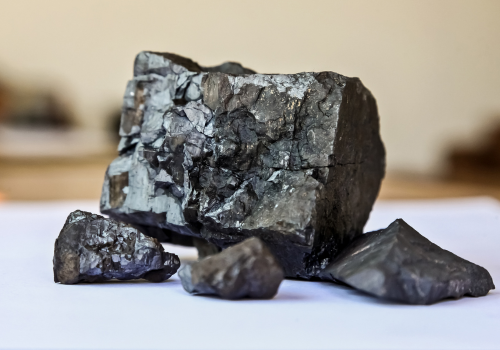
( Manganese, 25Mn )
| Parameter | Details |
|---|---|
| Source | Natural deposits, industrial discharge, leaching from pipes |
| MCL | 0.05 mg/L (secondary standard, US EPA) |
| Health Effects | Generally non-toxic; neurological effects at high levels |
| Detection | Atomic absorption spectroscopy, ICP-MS |
| Treatment | Oxidation and filtration, ion exchange |
| Regulations | US EPA, WHO |
| Monitoring | Regular testing in areas with high manganese concentrations |
| Environmental Impact | Can affect water quality, aquatic life |
| Prevention | Corrosion control, proper waste management |
| Case Studies | High manganese levels in well water, industrial contamination |
| Research | Impact on health, treatment methods |
Other Chemicals in Water
Manganese In Drinking Water
| Property | Value |
|---|---|
| Preferred IUPAC Name | Manganese |
| Other Names | None |
| CAS Number | 7439-96-5 |
| Chemical Formula | Mn |
| Molar Mass | 54.938 g/mol |
| Appearance | Gray-white metal |
| Melting Point | 1,246 °C (2,275 °F) |
| Boiling Point | 2,061 °C (3,742 °F) |
| Solubility in Water | Insoluble (as elemental manganese) |
Videos