The Threat of Microbial Pollution in Potable Water Sources
- Published:
- Updated: December 31, 2024
Listen to this article
Summary
Microbial pollution in potable water sources poses a serious threat to public health globally, driven by harmful microorganisms like E. coli and Salmonella. Pollution occurs through sewage release, animal waste, and agricultural runoff, leading to diseases like cholera. Governments enforce regulations and promote water testing to prevent contamination, advocating better sewage treatment, agricultural practices, and public education. Regular water testing is vital for ensuring safe drinking water.

There is widespread microbial contamination in drinking water that is a major health issue around the world. If there are pathogenic microbes present in drinking water, waterborne diseases and illnesses can occur. And even though water treatment plants work hard, contamination of water sources is an ongoing issue, and it could be fatal for people living on these water sources every day.
What is Microbial Pollution?
Microbial pollution is microbial contamination in water. They might be bacteria, viruses and parasites which are harmful to health if eaten. The most abundant microbes that we see in contaminated water are Escherichia coli (E. coli), Salmonella, and Campylobacter. These microbes have a range of disease, from stomachaches to fatal diseases like cholera and typhoid. There are several types of microbial contamination that can occur: raw sewage entering waterways, animal dung in drinking water supplies, agricultural runoff. If we want safe water to drink, microbial contamination of potable water is something we must avoid.
How Does Microbial Pollution Occur?

Microbial contamination comes in many shapes and forms. Raw sewage is one of the biggest sources of microbial contamination that we encounter in waterways. In raw sewage there are many microbes that can corrupt water and make it unsafe for human consumption. Another source of microbial pollution is animal faeces in water. It can be animal manure that has a high percentage of bacteria and parasites that can contaminate water and render it unfit for human consumption.
Another main vector for microbial contamination is agricultural runoff. Agri-runoff is water discharged off farms and carries an enormous number of pollutants such as livestock poo, pesticides and fertilisers. Such pollutants pollute the water and make it unsafe for human consumption.
The Health Effects of Microbial Pollution
The health effects of microbial pollution can be serious and long-lasting. Consuming contaminated water can cause a range of illnesses, from mild gastrointestinal problems to serious diseases such as cholera and typhoid fever. Some of the most common health effects of microbial pollution include:
- Diarrhea: One of the most common health effects of consuming contaminated water is diarrhea. Diarrhea can cause dehydration and can be life-threatening in severe cases.
- Gastrointestinal problems: Consuming contaminated water can cause a range of gastrointestinal problems, including nausea, vomiting, and abdominal pain.
- Blood infections: Some types of bacteria found in contaminated water can cause serious blood infections that can be life-threatening.
- Hepatitis A: Consuming contaminated water can also cause Hepatitis A, a serious liver disease that can cause long-term health problems.
The Role of Government in Preventing Microbial Pollution
The government is also responsible for keeping potable water free of microbes with school water testing services. They can impose rules and laws to make water safe to treat and provide, like school water testing services. They could, for example, set requirements for water treatment plants and fine those who pollute waterways. Moreover, governments can also finance research and development of new technologies to improve water treatment and decrease the chance of microbial contamination.
What’s more, governments can tell citizens why it’s important to maintain safe water, and what microbial pollution poses. They can partner with local residents to create programmes for microbial pollution prevention and water protection. By building the right partnerships between authorities and citizens, we can make sure safe and pure water for drinking can be sourced through the services of school water testing.
What Steps Can be Taken to Prevent Microbial Pollution?
The precautions for microbial contamination of drinking water are several. These are some of the best:
Improve sewage treatment: Improved sewage treatment can lessen the raw sewage released into the water bodies.
Better agriculture: By following better agriculture, like not using as much pesticides or fertilisers, we can reduce the amount of agricultural runoff entering the water table.
Improved water treatment: Enhancing water treatment plants can help clean water of invasive microbes before distributing to humans.
Informational Outreach: Informing consumers that safe water use (boiling water before use, for example) can mitigate microbial contamination.
The Importance of Regular Water Testing
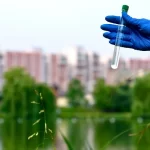
You should test the water every few months to keep safe drinking water. You can find out when you are dealing with testing water services and clean these toxins off your pipes. There are various forms of water testing like laboratory analysis and on-site testing. The most reliable test is the one done at the lab, but testing at home is faster and convenient.
You need to test water every single time, not just during a crisis or any time you see a drop in water quality. This is done through testing, and regularly ensuring that issues are caught early and are not escalated. It can also provide a baseline to compare over time and early on identify shifts in water quality. The quality of potable water could be protected for everyone who relies on it if water was tested on a regular basis.
Share this on social media:
Facebook
Twitter
LinkedIn

Related Posts