The Science Behind Hard Water and How to Treat It
- Published:
- Updated: January 16, 2025
Listen to this article
Summary
Hard water, caused by high levels of calcium and magnesium, can create issues like scale buildup, soap inefficiency, and skin irritation. It also affects industrial equipment and processes. Various treatment methods, including water softeners, filters, and chemical treatments, can reduce these effects. In regions like Malibu, customized solutions may be necessary due to local water hardness.
Key Points:
- Hard water results in scale formation, reduced cleaning efficiency, and skin/hair issues.
- Treatment options include water softeners, reverse osmosis, and chemical treatments.
- Customized filtration solutions are recommended in regions like Malibu to address local water challenges.
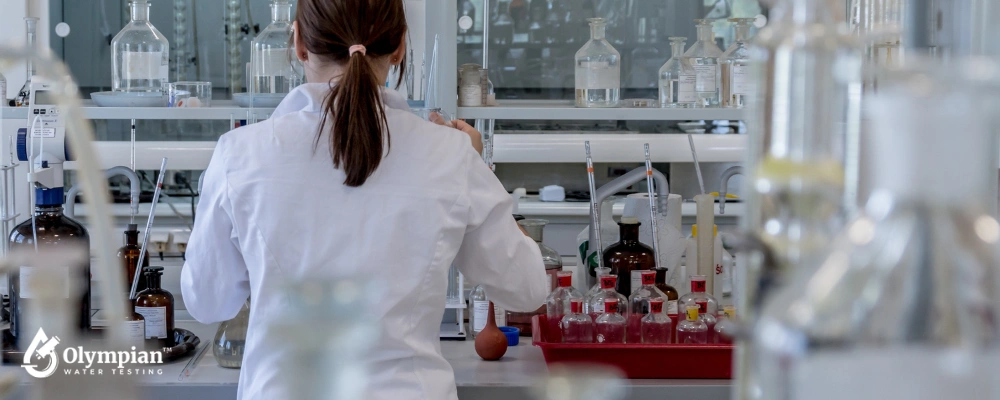
Hard water is a common challenge faced by many households and industries alike. Characterized by its high mineral content, primarily calcium and magnesium, hard water can lead to a variety of problems ranging from scaling in pipes to less effective cleaning in households. Understanding the science behind hard water and how to treat it is essential for maintaining water quality and ensuring the longevity of plumbing systems.
In this comprehensive guide, we will explore the science of hard water, explore its effects, and discuss effective treatment methods including the use of hard water filters and other treatment options available in areas such as Malibu.
What is Hard Water?
Hard water is defined by the concentration of dissolved minerals, mainly calcium and magnesium ions. These minerals are naturally occurring and are picked up by water as it percolates through mineral-rich soil and rock formations. The hardness of water can be categorized into two main types:
- Temporary Hardness: Caused by the presence of dissolved bicarbonate minerals, which can be precipitated out by boiling the water.
- Permanent Hardness: Resulting from sulfate or chloride compounds, which cannot be removed by boiling and require chemical treatment.
The degree of water hardness is typically measured in grains per gallon (gpg) or milligrams per liter (mg/L), with water containing more than 7 gpg considered hard.
The Effects of Hard Water

The presence of hard water can have several implications, both domestic and industrial.
Domestic Implications
- Scale Formation: The most visible effect is the formation of scale in pipes, water heaters, and appliances, which can reduce efficiency and increase energy costs.
- Soap Inefficiency: Hard water reacts with soap to form a scum that is less effective in cleaning, necessitating the use of more soap or detergent.
- Skin and Hair Issues: Hard water can leave a residue on skin and hair, leading to dryness and irritation.
Industrial Implications
- Equipment Wear and Tear: Scaling can significantly reduce the lifespan and efficiency of industrial equipment, leading to higher maintenance costs.
- Process Efficiency: In industries where water is a critical component, such as food and beverage production, hard water can affect the quality and consistency of the final product.
Scientific Analysis of Hard Water
The analysis of water hardness involves several steps:
Sample Collection and Preparation
Water samples should be collected in clean, non-reactive containers and analyzed promptly to ensure accurate results. The temperature and pH of the sample can influence the solubility of minerals and should be recorded.
Analytical Techniques
- Titration Methods: Classical methods involve titration with a chelating agent such as EDTA to determine the concentration of calcium and magnesium ions.
- Spectroscopic Methods: Modern techniques such as atomic absorption spectroscopy (AAS) or inductively coupled plasma (ICP) provide precise quantification of mineral content.
Hard Water Treatment Methods
Several strategies can be employed to address hard water issues, each with its own advantages and limitations.
Water Softeners
Water softeners are the most common solution for domestic hard water treatment. These devices use ion exchange resins to replace calcium and magnesium ions with sodium or potassium ions, effectively softening the water.
- Advantages: Effective in reducing water hardness and preventing scale formation.
- Limitations: Increased sodium levels in softened water may not be suitable for individuals on sodium-restricted diets.
Hard Water Filters
Hard water filters utilize various filtration media to remove or reduce mineral content. These systems can be tailored to specific needs based on water analysis.
- Carbon Filters: Effective in reducing chlorine and organic compounds, but less effective for mineral removal.
- Reverse Osmosis Systems: Highly effective in removing a wide range of impurities, including hardness minerals, but can be costly and wasteful of water.
Chemical Treatments
Chemical treatments involve the addition of chelating agents or sequestrants to bind calcium and magnesium ions, preventing them from forming scale.
- Advantages: Can be used in specific industrial applications where water softeners are not suitable.
- Limitations: Ongoing chemical costs and potential environmental impacts.
Magnetic and Electronic Descalers
These devices claim to alter the electromagnetic properties of minerals to reduce scale formation. However, their efficacy is often debated and may vary depending on water composition.
Conclusion
Understanding the science behind hard water and its treatment is crucial for anyone dealing with water quality issues. By employing the appropriate treatment methods, whether it be water softeners, hard water filters, or chemical treatments, individuals and industries can mitigate the adverse effects of hard water. In regions like Malibu, customized solutions may be necessary to effectively address local water hardness challenges.
In summary, maintaining water quality through effective treatment not only enhances the efficiency of household and industrial systems but also contributes to the overall well-being and satisfaction of water consumers. With the right approach, hard water problems can be managed effectively, ensuring a reliable and efficient water supply.
Share this on social media:
Facebook
Twitter
LinkedIn

Related Posts