The Role of Educators in New York's Daycare Drinking Water Lead Testing Efforts
- Published:
- Updated: January 2, 2025
Listen to this article
Summary
Educators in New York’s daycare centers play a vital role in lead testing efforts to ensure the safety of drinking water. They are responsible for identifying sampling locations, collecting water samples, coordinating with testing labs, implementing remediation measures if needed, and communicating with parents and staff about lead risks. Educators require appropriate training and resources to fulfill these responsibilities effectively, and ongoing support is essential to address challenges and maintain the safety of children in daycare centers.

Drinking water safety at daycare facilities must be the joint endeavour of everyone: government agencies, parents, educators. Daycares in New York are also required to test their water every six months for lead, a poison that’s especially toxic to young children. Teachers are in the trenches of these testing campaigns, too.
Understanding the Lead Risk in Drinking Water
Lead is a heavy metal that is harmful to the human body, but is especially harmful to young children. Lead is toxic to almost all organs in the body, but specifically the brain and nervous system of developing children and foetuses. This is why drinking water in daycare centres should be lead-free is extremely important.
Drinking water may become contaminated with lead as service pipes carrying lead corrode, especially if the water is very acidic or mineral-poor. The exposure to lead can be highest in daycare centres, often occupying old buildings with decrepit infrastructure.
What are the regulations in New York regarding lead testing in daycare facilities?
Because the lead threat is real, New York recently passed new regulations regarding daycare centre lead testing. The regulations compel daycare centres to check for lead in their water at least every five years and correct if the lead concentration goes over the EPA’s action threshold.
These rules are in place to keep children safe and healthy in daycare centres, but they also put the onus on daycare workers, such as educators, to make sure testing happens frequently and correctly.
The Critical Role of Educators in Lead Testing Efforts
Lead testing is carried out by teachers, who are on the ground in daycare centres. They collect water samples, work with testing water labs, remediate if needed, and talk to parents and other stakeholders.
These are hard tasks but they are important ones too. Teachers can mitigate lead poisoning in the children they care for if they test for lead appropriately and repeatedly.
What steps do educators take to test for lead in drinking water in educational institutions?
The lead testing of school drinking water systems consists of several steps that teachers are often the ones to perform. These steps include:
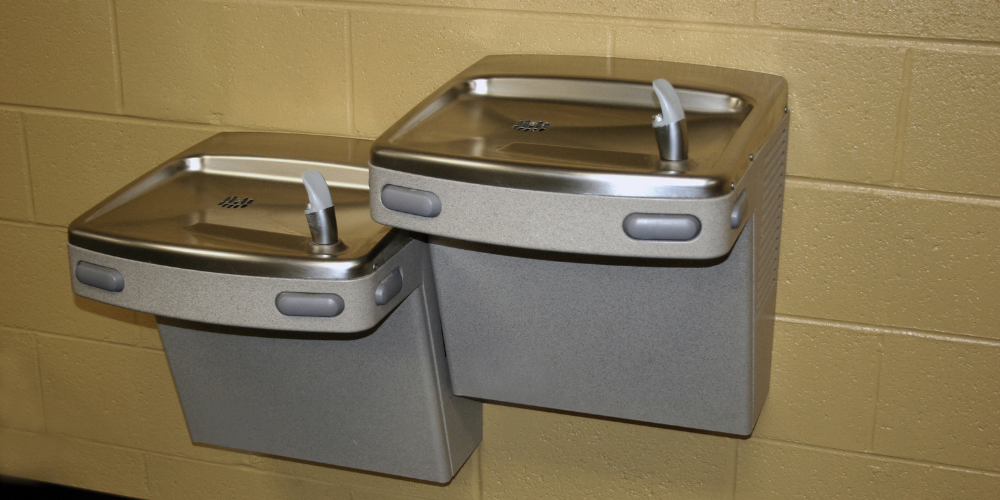
: Determining Sampling Sites: This refers to the location where you will gather water samples. In a daycare, that can include drinking fountains, kitchen taps, and any other taps where water is drew for drinking or cooking.
Collection of Water Samples: It has to be taken care of in order to have the samples represent the water used in the daycare center.
Working with Testing Labs: After collection, samples need to be sent to a trained lab for analysis.
Teachers are often expected to do the same if lead levels are higher than the EPA’s action level: change lead-laden plumbing fixtures, install lead filters, or offer bottled water to drink and cook from.
Educators as Communicators: Informing Parents and Staff About Lead Risks
Not only do teachers have an important job testing for lead and making the necessary repairs, but also talking to students about the risks of lead. They’re usually the first person parents talk to and they should be the ones that tell parents about test results and how steps were taken to correct lead poisoning.
For this job, teachers should be able to give transparent, accurate explanations of lead exposure, testing, and remediation. They also need to be able to answer questions and concern parents. These communications are what help to ensure the trust and openness of daycare facilities to their families.
Training and Resources for Educators
Educators have a very important role to play in lead testing so they should be provided with the right training and materials. A few agencies and organisations have training courses, resources and technical assistance to help teachers do this. These can teach teachers about the hazards of lead, how to test for lead in water, and what to do if it’s detected.
Also, continuous professional development is a great way to keep educators abreast of the most recent research, laws and guidelines on lead testing and cleanup.
Challenges and Solutions in Daycare Lead Testing
The educators are a very important part of lead testing efforts, but they have some issues as well. These could be lack of time or resources, challenges with coordination with testing water labs, and issues around how to communicate lead risk to parents and other stakeholders.
Yet these problems can be solved with the right amount of money, training, and guidance from governments and community groups. For example, teachers should be trained thoroughly on lead testing procedures to make sure the testing is done correctly and accurately. It is also helpful to provide simple to read materials to teachers to better explain lead hazards.
Looking Forward: The Future of Lead Testing in New York's Daycares
In the future, education will play a large part in lead testing activities. As more studies reveal the toxicities of even trace amounts of lead exposure, the value of making sure water at daycare facilities is safe to drink can’t be overstated.
If we’re going to keep kids safe, we need to keep the rules for testing for lead at daycare centers in place and strengthened. And it’s just as important to keep the teachers doing the same thing: keeping them trained, well-resourced and aware of how much they do to ensure our kids stay safe.
Share this on social media:
Facebook
Twitter
LinkedIn

Related Posts